Can A College Refuse To Allow Service Dogs On Campus?
Can A College Refuse To Allow Service Dogs On Campus?
Navigating college life can be challenging for students with disabilities. Service dogs play a crucial role in supporting these students. They provide assistance and companionship, helping students manage their daily tasks.
But what happens when a college questions the presence of a service dog on campus? This is a concern for many students with disabilities. Understanding the rights and regulations is essential.
Service dogs are protected under the Americans with Disabilities Act (ADA). This means they can accompany their handlers in most public spaces, including college campuses. However, not all colleges are fully aware of these regulations.
Students with psychiatric service dogs (PSD) often face unique challenges. They must advocate for their rights while managing their mental health needs. It’s important for these students to know their rights and responsibilities.
Colleges have specific policies regarding service dogs. These may include vaccination requirements or behavior standards. Students must adhere to these policies to ensure a smooth experience.
Collaboration between students, disability services, and college administration is key. This helps integrate service dogs into campus life effectively. It also fosters a more inclusive environment for all students.
Understanding these dynamics is crucial for students with service dogs. It empowers them to advocate for themselves and their rights.
Understanding Service Dogs: Definitions and Legal Protections
Service dogs are more than just pets; they are trained to assist individuals with disabilities. Their roles can vary widely, from guiding the blind to alerting individuals with diabetes of low blood sugar levels. This makes them indispensable to those they assist.
The legal definition under the ADA is clear. A service dog is a dog trained to perform specific tasks for someone with a disability. These tasks are directly related to the individual’s disability.
It’s essential to differentiate between service dogs and other types of support animals. Unlike emotional support animals, service dogs have complete access rights in public spaces. This includes educational institutions like colleges and universities.
Several legal protections ensure service dogs can accompany their handlers on campus. Key legislation includes the ADA and Section 504 of the Rehabilitation Act. These laws are designed to prevent discrimination and ensure equal access to education.
When discussing service dogs, recognizing their unique capabilities is important. They perform tasks such as:
- Guiding individuals with visual impairments
- Alerting individuals with hearing impairments
- Providing psychiatric support
It’s vital for colleges to understand these laws and protections. This understanding helps them create policies that support students with disabilities effectively.
Students should also be well-versed in these legal protections. Knowledge empowers them to advocate for themselves and ensures their needs are met.
The Americans with Disabilities Act (ADA) and Service Dogs in Colleges
The ADA is pivotal in shaping policies for service dogs on college campuses. It ensures individuals with disabilities have equal access to educational opportunities. This includes the right to have service dogs accompany them.
The ADA explicitly defines what constitutes a service animal. According to the ADA, a service animal is a dog trained to perform tasks for a person with a disability. This clear definition is crucial for understanding rights on campus.
Colleges must comply with the ADA, meaning they cannot deny access to service dogs. This compliance is legally binding, safeguarding students’ rights. It’s not just a recommendation but a requirement.
Despite these protections, misunderstandings about service dogs can arise. It’s essential for students and college staff to understand the ADA’s provisions. Awareness helps prevent conflicts and ensures smoother integration into campus life.
Here’s what the ADA allows colleges to ask about service dogs:
- Is the dog required because of a disability?
- What task has the dog been trained to perform?
Colleges cannot demand documentation for the dog’s training under the ADA. This prohibition respects the privacy of students with disabilities. It also simplifies the process of bringing a service dog to campus.
Ultimately, the ADA aims to remove barriers faced by students with disabilities. Understanding the ADA helps students advocate for their rights effectively. With the right knowledge, students can enjoy a full college experience.
Psychiatric Service Dogs: Rights for Students with Mental Disabilities
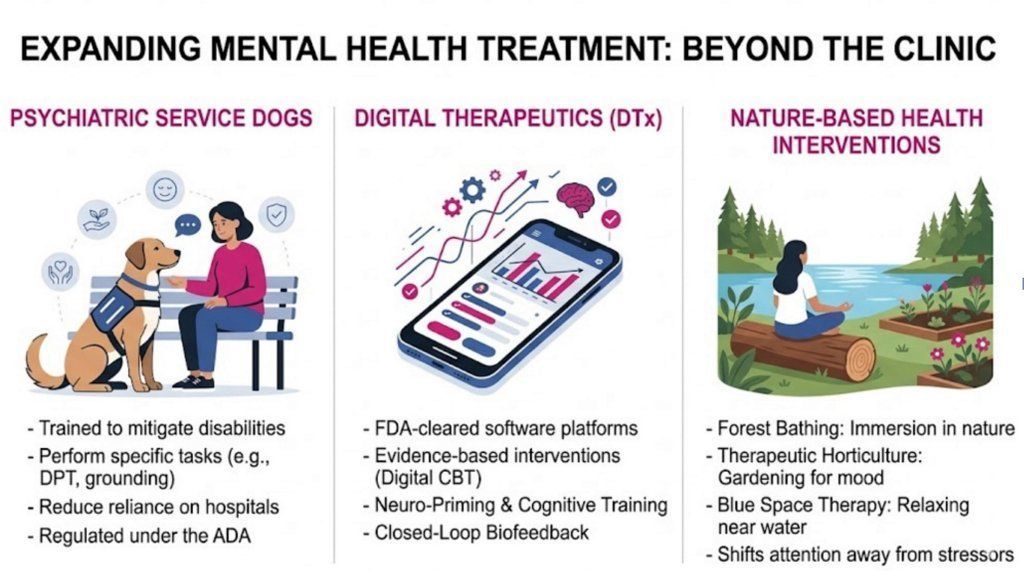
Psychiatric service dogs (PSDs) play a critical role for students with mental health challenges. These dogs are trained to perform specific tasks that assist with psychiatric conditions. They help enhance independence and well-being.
Students with PSDs have unique rights on college campuses. These rights are protected under the ADA, ensuring equal access. Colleges must accommodate PSDs in classrooms, dorms, and other campus areas.
Tasks performed by PSDs include:
- Interrupting self-harm behaviors
- Providing deep pressure therapy to reduce anxiety
- Reminding handlers to take medication
Understanding these rights is vital for students with mental disabilities. Having a PSD means the difference between success and struggle for many students. A supportive college environment enhances this experience.
PSD handlers should communicate with college disability services for seamless integration. Proactive engagement ensures that accommodations are provided. It also helps educate faculty and peers about the importance of PSDs.

Ultimately, PSDs empower students with mental disabilities by offering constant support. Their presence affirms that mental health is as crucial as physical health. Students can focus better, knowing help is always nearby.
Service Dogs vs. Emotional Support Animals: Key Differences on Campus
Confusion often arises between service dogs and emotional support animals (ESAs). Understanding the difference is crucial on college campuses. These animals serve distinct purposes and have different rights.
Service dogs are specially trained for specific tasks. They assist individuals with disabilities, including psychiatric conditions. Their access rights are covered by the ADA.
In contrast, ESAs provide comfort and emotional support. They do not receive task-specific training like service dogs. Thus, their campus access rights are more limited.
Key distinctions include:
- Service dogs have ADA protection for public access.
- ESAs require documentation but have restricted access.
- Service dogs perform specific tasks; ESAs provide comfort.
Colleges must recognize these differences to comply with federal law. Discrepancies in understanding can lead to legal challenges. Students should clarify the role of their animal with college disability services.
Ultimately, knowing these differences helps foster an inclusive, understanding campus environment.
What Colleges Can and Cannot Ask About Service Dogs
Colleges must respect the privacy and rights of students with service dogs. Yet, they are allowed some inquiries to ensure compliance with policies.
Colleges can confirm a service dog’s role by asking two specific questions. Firstly, if the dog is required due to a disability. Secondly, what tasks or work the dog performs.
However, colleges cannot request certain things. They cannot demand documentation or proof of the dog’s training. They are not allowed to require any certification for the dog’s status as a service animal.
This balance ensures student privacy while maintaining necessary campus standards. Here’s a concise list:
- Colleges Can Ask:
- Is the service dog required for a disability?
- What tasks has the dog been trained to perform?
- Colleges Cannot Ask:
- For documentation or proof of the dog’s training.
- For certification as a service animal.
Understanding these boundaries helps both students and institutions uphold the law while fostering a supportive campus environment.
Navigating College Policies: Registration, Housing, and Campus Life
Colleges often have specific policies regarding service dogs. Familiarizing yourself with these policies is essential for a seamless transition.
Start by contacting your college’s disability services office. They can provide guidance on registering your service dog and any required paperwork.
Housing can present unique challenges. Service dogs must be allowed in dormitories without extra fees. However, students must notify housing services of their intention to have a service dog.
Consider the environment in shared living spaces. Discuss potential concerns with roommates in advance. Open communication can ease any tensions and make for a harmonious living situation.
Understand your college’s expectations for your service dog. This usually includes maintaining the dog’s health, behavior, and cleanliness.
On-campus, service dogs should be respectful of other students and not disrupt educational activities. Here’s a checklist for college life with a service dog:
- For Registration:
- Contact disability services.
- Complete necessary paperwork.
- For Housing:
- Inform housing services early.
- Talk with roommates about the service dog’s presence.
Finally, make sure your service dog has access to outdoor spaces. Proximity to these areas can impact your routine and the dog’s well-being.

By preparing ahead, you ensure a positive college experience. Knowing the rules helps advocate for your needs and those of your service dog.
Responsibilities of Students with Service Dogs on Campus
As a student with a service dog, certain responsibilities come with this valuable partnership. Understanding these duties is essential for maintaining a positive environment for everyone involved.
Service dogs must always be under their handler’s control. Ensure that your dog remains on a leash or harness during campus activities to comply with college guidelines.
Maintaining your service dog’s health is crucial. This includes regular veterinary visits, vaccinations, and grooming to keep them in optimal condition.
Respect the educational environment by ensuring your dog is well-behaved and doesn’t disturb others. This will help foster acceptance and support within the college community.
Personal advocacy is also important. Educate peers and faculty about service dogs and their functions. A proactive approach can reduce misunderstandings and create a more inclusive atmosphere.
Here’s a quick guide on responsibilities:
- Control: Keep the dog leashed or harnessed.
- Health: Regular vet visits and vaccinations.
- Education: Inform others about your service dog’s role.
Taking these steps will contribute to a supportive and harmonious college experience for all.
Common Challenges and How to Overcome Them
Students with service dogs on campus may encounter various challenges. Understanding these can help in finding effective solutions.
One common issue is lack of awareness among peers and staff. Misunderstandings about service dog roles and rights can create unnecessary friction.
Accessibility is another potential hurdle. Some areas might not be service dog-friendly, posing difficulties in navigation.
Negative reactions from others can be distressing. It’s important to handle these situations with patience and education.
Here are some strategies to overcome these challenges:
- Awareness Campaigns: Collaborate with college disability services for informational sessions.
- Accessibility Checks: Plan routes and advocate for necessary campus adjustments.
- Educate Peers: Share information to foster understanding and acceptance.
This approach can significantly improve the college experience for students with service dogs. Together, campuses can become more inclusive and welcoming environments.

Real Stories: The Impact of Service Dogs for Students with Disabilities
Service dogs have a profound impact on students’ lives. Their presence often brings newfound independence and confidence.
Consider Sarah, a student with severe anxiety. Her psychiatric service dog helps her remain calm during panic attacks, enabling her to focus on studies.
Another example is Mark, who has mobility challenges. His service dog assists with opening doors and retrieving items, making daily life on campus much easier.
These dogs offer more than physical aid; they provide emotional support. For many students, this companionship fosters a sense of belonging and security.
Service dogs truly transform the college experience. Their unwavering loyalty and assistance create a supportive environment, allowing students with disabilities to thrive academically and socially.

Best Practices for Colleges: Fostering an Inclusive Environment
Colleges play a key role in supporting students with service dogs. Establishing inclusive practices enhances the campus environment for everyone.
Firstly, campuses should adopt clear policies regarding service dogs. These guidelines must align with federal laws, ensuring students understand their rights.
Training staff and students about service dog etiquette is vital. Awareness workshops can help build understanding and prevent misunderstandings.
It’s also important for colleges to create welcoming spaces. Accessible pathways and service dog-friendly areas support both students and their service animals.
Consider implementing the following practices:
- Develop comprehensive service dog policies.
- Provide etiquette training for staff and students.
- Ensure accessible facilities and spaces.
- Offer resources for students with service dogs.
- Collaborate with disability services to address student needs.
Through these practices, colleges can create an environment where all students, including those with disabilities, feel valued and supported.
Frequently Asked Questions About Service Dogs on Campus
Navigating college with a service dog can raise many questions. Let’s address some common concerns.
One frequent inquiry is about the distinction between service dogs and emotional support animals. While service dogs are covered by the ADA, emotional support animals are not.
Students often ask what documentation they need. Colleges cannot require proof of a service dog’s training or certification.
Here are some questions we commonly receive:
- What rights do service dogs have on campus?
- Can colleges charge fees for service dog accommodations?
- How can students prepare before bringing a service dog to campus?
- What should students do if they face access issues?
These FAQs help clarify the role of service dogs on campus. Understanding these nuances ensures students advocate effectively for their rights.
Conclusion: Advocating for Your Rights and Building a Supportive Campus
Navigating college life with a service dog requires understanding and advocacy. Knowing your rights is fundamental to accessing necessary accommodations.
Proactive communication with college administrators is crucial. Early engagement ensures they understand your needs and can provide suitable support.
Educating others, including students and faculty, about service dogs fosters a welcoming environment. Awareness leads to respect and inclusion.
Remember, you are not alone in this journey. Many resources and communities can provide guidance and encouragement. Building a supportive network on campus is key to a successful academic experience. Through collaboration and education, campuses can become more inclusive for all students.