Can I Take My Service Dog To Disneyworld or Disneyland?
Can I Take My Service Dog To Disneyworld or Disneyland?
Planning a trip to Disneyworld or Disneyland is exciting. For those with service dogs, it requires extra preparation.
Service dogs are welcome at Disney parks. They provide essential support for individuals with disabilities.
Understanding the rules is crucial for a smooth visit. Disney has specific guidelines for service animals.
These guidelines ensure safety and enjoyment for all guests. Service dogs must be trained for specific tasks.
Emotional support animals are not considered service animals at Disney. This distinction is important to note.
Disney offers various accommodations for service dogs. These include relief areas and assistance from staff.
Proper planning can enhance your Disney experience. Knowing what to expect helps in managing your visit.
This guide will explore everything you need to know. From rules to tips, we cover it all.
Understanding Disney’s Service Dog Policy
Disney values inclusivity and accessibility for all guests. Service dogs are welcome to support this mission. Disney’s policy aligns with the Americans with Disabilities Act (ADA).
A service dog must perform specific tasks. These tasks are directly tied to the handler’s disability. Emotional support animals, by contrast, do not meet this criterion.
Understanding the difference is crucial. Disney has clear definitions for service dogs and emotional support animals. Clarifying these helps set expectations before your trip.
Key Requirements for Service Dogs at Disney:
- Must be trained to perform tasks related to the handler’s disability.
- Must remain on a leash or harness unless it interferes with work.
- Must not pose a threat or inconvenience to other guests.
Service dogs should be well-behaved in public. This includes ignoring distractions and staying focused on their handler. Disney staff are trained to assist guests with service dogs.
Disney offers designated relief areas for service animals. These help maintain comfort and practicality during your visit. Staff can direct you to these locations upon request.
Knowing these policies ensures a seamless park experience. Thorough preparation is a key step to a magical Disney adventure.
Service Dog vs. Emotional Support Animal: What’s Allowed?
Disney parks welcome service dogs that aid individuals with disabilities. These dogs are crucial for tasks like guiding, alerting, and retrieving. Emotional support animals, however, are not permitted.
Understanding the distinction is important before your visit. Service dogs perform specific tasks trained to help their handler. Emotional support animals provide comfort but lack task-specific training.
Disney’s policy reflects this critical difference. Before visiting, ensure your dog qualifies as a service animal. Preparing proper documentation helps if questions arise.
Key Differences:
- Service Dog : Trained for specific tasks related to disabilities.
- Emotional Support Animal : Provides comfort but lacks specific training.
- Disney’s Policy : Allows service dogs only, aligning with ADA guidelines.
Clarifying these differences ensures a smooth experience. Ensuring compliance with Disney rules avoids potential issues. This knowledge provides peace of mind during your magical adventure.
Preparing for Your Disney Trip With a Service Dog
Traveling to Disney with a service dog requires preparation. Your first step is to familiarize your dog with loud noises and large crowds. Disney parks are bustling places with various sensory stimuli.
Plan your day considering your dog’s needs. Schedule breaks and ensure your dog stays hydrated. Check the locations of designated relief areas beforehand.
Training is vital for a successful trip. Reinforce obedience commands and public manners. Ensure your dog remains focused, even amid distractions.
Key Preparation Steps:
- Familiarization : Expose your dog to crowds and sounds.
- Planning : Identify relief areas and plan regular breaks.
- Training : Reinforce commands and public manners.
Documentation can ease entry into the parks. Although not mandatory, carrying certifications can simplify the process. Being prepared prevents misunderstandings during your visit.
Consider contacting Disney guest services ahead of time. They can provide specific guidance and assistance for visitors with service dogs. A well-prepared visit ensures a magical experience for both you and your service dog.

Disney Service Dog Rules: What You Need to Know
When bringing your service dog to Disney, it’s essential to follow the rules. Disney parks allow service dogs to accompany guests with disabilities, ensuring accessibility for everyone.
To ensure safety, your service dog must stay on a leash or harness unless it hinders their task performance. Disney requires that the dog remains well-behaved.
Responsibilities of the Handler:
- Keep the service dog leashed or harnessed.
- Ensure the dog is housebroken.
- Maintain control over the dog’s behavior.
Not all attractions are accessible to service dogs. For example, rides with rapid motion may pose a safety risk to dogs and their handlers. It’s crucial to check in advance which rides you can enjoy together.
Disney’s Assistance and Amenities:
- Designated relief areas throughout the park.
- Staff trained to assist visitors with service dogs.
- Option for alternative entrances to some attractions.
Disney staff may ask about the tasks your service dog performs. Handlers should be prepared to answer these questions confidently and respectfully. This ensures a smooth experience for all guests.
Understanding these guidelines will enhance your visit. Proper preparation and knowledge of the rules allow for a seamless, enjoyable day at the parks for you and your service dog.

Where Service Dogs Are Allowed—and Where They Aren’t
At Disney parks, service dogs are welcome in most public spaces. However, there are limitations to consider. Understanding these will help plan your visit better.
Service dogs can accompany you to many popular attractions, providing support wherever needed. You’ll find that indoor areas, outdoor paths, and waiting lines are generally accessible.
Accessible Areas for Service Dogs:
- Indoor entertainment and shops.
- Outdoor paths and plazas.
- Transportation services within the park.
However, some rides and attractions pose potential risks. Safety protocols limit service dog access to certain locations to protect both the animals and all guests.
Restricted Areas for Service Dogs:
- Rides with intense motion or speed.
- Water rides or attractions with aquatic elements.
- Any attraction deemed unsafe for dogs.
Disney has clear signage indicating where service dogs can and cannot go. It’s wise to research these areas ahead of your visit to avoid surprises.
Staff at the parks are also available to help ensure you and your service dog are in permitted areas. Their training enables them to guide and assist effectively with any questions you may have.
The commitment to providing a safe, enjoyable experience is evident in Disney’s policies. These aim to accommodate your needs while maintaining overall park safety and enjoyment.

Relief Areas and Amenities for Service Dogs
Disney parks offer designated relief areas for service dogs to ensure their comfort. These spaces allow your dog to take necessary breaks throughout the day. Knowing where these areas are located can make a big difference.
Relief Area Features
- Clean and well-maintained environments.
- Conveniently placed near major attractions.
- Clearly marked for easy identification.
Maps provided at park entrances highlight these relief areas. This makes it easier for handlers to plan rest breaks while enjoying the parks. Checking these maps upon arrival is a smart move.
Beyond relief areas, Disney parks offer other amenities to help service dogs and their handlers. Water bowls are often available at relief spots, which can be refreshing on hot days.
Moreover, if you have any questions or need additional help, Disney cast members are trained and ready to assist. Their proactive approach aims to ensure a positive and seamless experience for all.

Navigating Attractions: Rides, Shows, and Waiting Areas
Exploring Disney’s attractions with a service dog requires some planning. Not all rides are suitable for service dogs due to safety concerns.
Attractions Where Service Dogs Are Allowed
- Shows and theaters with accessible seating.
- Outdoor events with ample space for dogs.
For some attractions, handlers might need to make arrangements. Disney offers Rider Switch, which allows the service dog handler to wait with the dog while others enjoy the ride.
Disney also provides accessible waiting areas for guests with service dogs. These areas ensure everyone can participate without discomfort.
Areas Off-Limits to Service Dogs
- High-speed thrill rides.
- Certain water rides for safety reasons.
Preparation is key to a smooth experience. Knowing which attractions accommodate service dogs can help plan your day efficiently.
Additionally, Disney cast members are available to assist with information specific to each ride. Their guidance ensures you and your service dog have a safe and magical visit.

Tips for a Smooth Disney Experience With Your Service Dog
A visit to Disney can be magical when well-prepared. Start by familiarizing your service dog with crowded places.
Gradual exposure to noise will help them stay calm. It’s vital for a positive experience.
Key Preparations for Your Trip
- Practice basic obedience commands in busy settings.
- Ensure your dog is comfortable with long periods of walking.
- Bring essentials like a water bowl and treats.
Remember to pack your dog’s identification and any needed documentation. This preparation can aid in answering questions from staff.
Moreover, consider taking breaks in quiet areas to help your dog rest and recharge. These moments can refresh both you and your dog.
Lastly, familiarize yourself with the location of the service dog relief areas. This knowledge ensures quick access when your service dog needs a break.
Special Considerations: Autism and Psychiatric Service Dogs
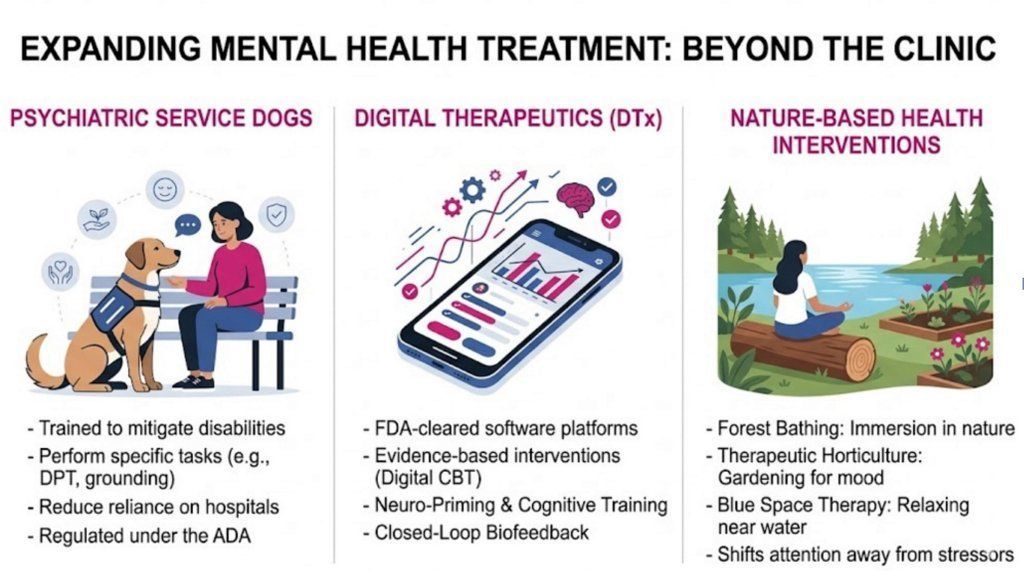
Autism and psychiatric service dogs provide essential support at Disney. They help manage sensory overload and anxiety.
These dogs perform tasks that ease stressful situations, crucial in busy environments like Disney parks.
Essential Functions of These Service Dogs
- Interrupting harmful behaviors
- Providing deep pressure therapy
- Guiding through crowds
Families with autism service dogs or psychiatric service dogs should plan for sensory-friendly attractions. Disney staff can assist with these accommodations.
Prepare your service dog for Disney’s unique environment by simulating situations they may encounter. This preparation will help your dog maintain focus.
Ensure your dog is comfortable with loud noises and sudden movements. By doing so, you create a more enjoyable experience for both you and your dog.

High Net Worth Families: Custom Service Dog Solutions
High net worth families often seek specialized service dog training. Tailored solutions meet specific lifestyle needs and schedules.
Customized training provides unique benefits and conveniences, aligning with individual preferences.
What Custom Solutions Include
- Private, one-on-one training sessions
- Tailored behavioral modifications
- Comprehensive lifestyle integration
These services ensure seamless integration of the service dog into family life. Discreet, personalized support enhances the training experience.
High-end clients appreciate the bespoke nature of these offerings. Custom solutions guarantee the service dog fits perfectly into their world.
The Service Dog School of America Difference
Service Dog School of America stands out for its exceptional training methods. Their focus is on real-world scenarios and practical skills.
Dogs are trained with an emphasis on human-canine relationships. This ensures the highest levels of understanding and support.
Key Features of Their Training
- Emphasis on task-specific training
- Real-life scenario practice
- Strong handler-dog relationship development
This approach provides handlers with competent and confident service dogs. Clients can expect a service animal ready to assist in any environment.

Frequently Asked Questions About Service Dogs at Disney Parks
When planning your Disney visit with a service dog, it’s natural to have questions. Understanding Disney’s policies can ease your concerns.
Common Questions Include:
- Are service dogs allowed everywhere?
- What documentation do I need?
- How should I prepare my dog for the park?
Service dogs generally have access to most areas. However, some rides may have restrictions for safety.
Documentation isn’t usually required, but preparing your dog for the bustling park environment is key. This ensures a smooth and enjoyable visit for everyone involved.
Final Thoughts: Making Disney Magical for All
Bringing a service dog to Disney parks can create lasting memories. Proper preparation ensures a wonderful experience for both you and your canine companion.
By understanding Disney’s service dog rules, you can focus on the fun. It allows you to enjoy the magic with fewer worries.
Disney’s commitment to accessibility means everyone can share in the joy. Service dogs are an essential part of making this inclusivity a reality.