Will A Service Dogs Make Me A Happier Person?
Will A Service Dogs Make Me A Happier Person?
Service dogs are more than just loyal companions. They are trained to perform tasks that can transform lives. For many, these dogs are a lifeline to happiness and independence.
Imagine a life where anxiety or physical limitations no longer hold you back. Service dogs can make this a reality. They provide support, companionship, and a sense of security.
The bond between a service dog and its handler is unique. It is built on trust, understanding, and mutual respect. This connection can lead to increased happiness and well-being.
Service dogs are trained to assist with a variety of needs. From psychiatric support to medical assistance, they are versatile and invaluable. They help individuals navigate daily challenges with confidence.
The process of acquiring a service dog can be daunting. Long wait times and high costs are common barriers. However, the right approach can make this journey smoother and more rewarding.
At the Service Dog School of America, we prioritize immediate, high-quality support. Our goal is to match the right dog with the right person. This ensures a successful partnership that enhances happiness.
David Baron, a leading expert in service dog training, emphasizes this personalized approach. His expertise ensures that each service dog is tailored to meet specific needs. This results in a more fulfilling and happy life for the handler.
Service dogs are not just pets; they are partners in life. They offer a path to greater happiness and independence. For those considering a service dog, the potential benefits are profound.
Understanding Service Dogs: More Than Just Companions
Service dogs are often misunderstood as mere companions. They are so much more than that. These dogs undergo extensive training to assist individuals with specific needs. This makes them essential partners in improving quality of life.
Their roles extend beyond simple companionship. Service dogs are trained to perform tasks that directly aid their handlers. These tasks are crucial for daily living and overall well-being. Such specialization distinguishes them from regular pets.
These highly skilled canines are versatile in their functions. Here are some of the tasks they commonly perform:
- Retrieving items : Fetching medication or dropped objects.
- Providing deep pressure therapy : Alleviating anxiety or panic attacks.
- Alerting to medical situations : Notifying about seizures or low blood sugar.
The impact of their work can be profound. They provide freedom to those who might otherwise struggle with independence. This support allows individuals to engage more fully in their communities.
Service dogs are not a one-size-fits-all solution. Each dog is tailored to meet the unique needs of their handler. This customization ensures that the support provided is meaningful and effective.
The bond between handler and service dog is built on trust. Through shared experiences, this bond strengthens over time. It is a relationship that enhances both physical and emotional well-being.
Ultimately, service dogs offer more than tangible assistance. They provide comfort and understanding, which is vital for their handler’s happiness. Recognizing their multifaceted role helps appreciate the true value they bring to lives.
The Science of Service Dogs and Happiness
Service dogs are more than skilled helpers; they are agents of happiness. Scientific studies demonstrate their positive impact on mental health. This is crucial for individuals dealing with anxiety or depression.
A service dog’s presence can mitigate stress. Interacting with these dogs often releases oxytocin, the “love hormone”. Oxytocin enhances feelings of well-being and lowers cortisol, a stress hormone. This biochemical response supports emotional stability.
Moreover, service dogs help regulate their handler’s daily routines. Consistent routines can foster a sense of control and purpose. This structure benefits those with psychiatric conditions. Order and predictability in daily life are important for mental wellness.
The companionship of a service dog can reduce loneliness. Feeling isolated is a common struggle among individuals with disabilities. Having a service dog can lead to increased social interactions and opportunities for engagement.
Service dogs also enhance their handler’s quality of sleep. Knowing a well-trained dog is watching over them can provide peace of mind. Better sleep translates to improved mood and energy levels. This further contributes to their overall happiness.
Here’s how service dogs contribute to emotional and psychological well-being:
- Reduce feelings of isolation : Encouraging socialization and community participation.
- Provide unconditional love and support : Offering non-judgmental companionship.
- Increase confidence : Empowering handlers to engage more in public spaces.
Scientific evidence backs the emotional benefits of service dogs. Their impact is both physical and psychological. This dual effect makes them invaluable allies in achieving happiness.
The emotional bond forged with a service dog is transformative. It extends beyond the tasks they perform. This bond promotes an overall happier disposition in their handlers. Embracing this connection can lead to a fulfilling and happier life.
Psychiatric Service Dogs (PSDs): Transforming Mental Health
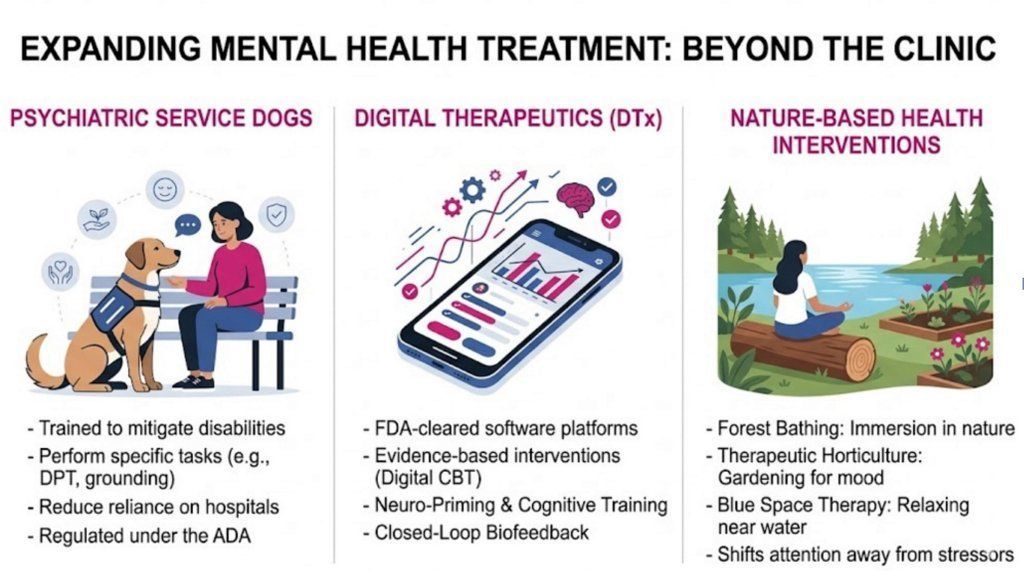
Psychiatric Service Dogs (PSDs) play a vital role in mental health recovery. These highly trained canines assist with various psychiatric disorders. Their support is invaluable for those battling conditions like PTSD, anxiety, and depression.
PSDs are meticulously trained to detect emotional shifts. They offer immediate interventions through comforting actions. For instance, a service dog may nudge its handler during anxiety spikes, encouraging deep breaths and relaxation.

In addition to emotional regulation, PSDs assist with physical symptoms linked to psychiatric conditions. They can guide their handlers to safe spaces during overwhelming situations. This ability allows individuals to reclaim aspects of their daily lives once consumed by fear.
A significant benefit of PSDs is the reduction in medication reliance. Many handlers report needing fewer prescriptions thanks to their service dogs. This natural approach to managing symptoms can have fewer side effects and promotes holistic health.
Handlers of PSDs often experience improved self-esteem and social interactions. The dogs offer a sense of purpose and responsibility, encouraging a more active lifestyle. This change can be profound for individuals previously withdrawn from society.
In practical terms, PSDs help with:
- Grounding techniques : Interrupting flashbacks or dissociative episodes.
- Room searches : Ensuring environments are free from perceived threats.
- Encouragement for daily tasks : Motivating engagement in regular activities.
This transformation in mental health is not just about managing symptoms. It’s about rebuilding a life of joy, purpose, and community participation. PSDs facilitate this journey by providing reliable support and companionship.
Their impact goes beyond therapy sessions, offering 24/7 comfort and assistance. With the aid of a PSD, many individuals find renewed hope and resilience. This partnership between human and dog is a beacon of transformative health and happiness.
Medical Service Dogs: Enhancing Independence and Well-Being
Medical Service Dogs improve lives by offering assistance beyond traditional medical care. They cater to a range of physical disabilities and medical conditions, providing unparalleled support.
Trained to perform tasks that mitigate impairments, these dogs foster independence. From retrieving medications to alerting to medical emergencies, they are life-savers. This support allows individuals to engage more freely in daily activities.

The bond between a medical service dog and its handler boosts confidence. With a reliable partner by their side, handlers can navigate public spaces with ease. This newfound freedom often leads to increased self-esteem and reduced anxiety.
Medical service dogs are adept at recognizing and responding to medical crises. They can detect changes in blood sugar, alerting to hypoglycemic events. For those with epilepsy, they can warn of an impending seizure, allowing for safety measures.
Their role extends to assisting in mobility tasks. They help open doors, turn on lights, and even fetch dropped items. Such tasks might seem simple but are vital for enhancing daily living for those with mobility challenges.
Key functions of medical service dogs include:
- Allergy detection : Identifying allergens in food or environments.
- Emergency alerts : Notifying others to call for help during crises.
- Physical support : Stability and balance assistance for mobility-impaired individuals.
The presence of a medical service dog is more than functional. They provide comfort and companionship, combating feelings of isolation. For many, this emotional support is equally important in maintaining overall well-being.
Through these diverse roles, medical service dogs transform lives. They bridge the gap between medical dependency and personal autonomy, making an immense impact. With their help, individuals regain control and enjoy a more fulfilling life.
The Emotional Bond: How Service Dogs Change Lives
The relationship between a service dog and its handler is extraordinary. This bond goes beyond mere assistance, deeply touching emotional and mental well-being. Service dogs provide more than physical support; they offer friendship and love.
Developing such a bond instills a sense of security. Knowing their service dog is attuned to their needs offers handlers peace of mind. This trust is fundamental in reducing stress and anxiety.

Having a service dog can help build routines. The responsibilities involved in caring for the dog create structure, which is beneficial for mental health. Daily walks and care promote discipline and focus.
A service dog’s companionship often reduces feelings of loneliness. This is especially significant for individuals with mental health challenges. The presence of a loyal companion can comfort and uplift on even the hardest days.
Handlers often note improved social connections thanks to their service dogs. Increased interactions occur naturally, breaking down social barriers. The presence of the dog is a great icebreaker in many social situations.
Key emotional benefits of service dogs include:
- Reduced loneliness : Constant companionship combats isolation.
- Increased confidence : Faithful support encourages social engagement.
- Enhanced routines : Consistent care tasks create daily structure.
Service dogs are intuitive and sensitive to emotional cues. They often provide comfort when sensing distress, offering a calming presence. Their ability to soothe is invaluable for individuals dealing with anxiety or depression.
Ultimately, the bond formed with a service dog goes beyond practical assistance. It embodies trust, companionship, and love, enriching lives in profound ways. Through this bond, handlers often find new hope and happiness.
Real Stories: Service Dogs and Lasting Happiness
Real-life examples showcase the transformative power of service dogs. Take Sarah, a veteran with PTSD. Her psychiatric service dog, Max, changed her life entirely. With Max by her side, Sarah found the courage to engage with the world again.

Another compelling story is about Emily, who struggled with severe anxiety. Her service dog, Bella, was trained to detect the onset of panic attacks. This early intervention helped Emily manage her symptoms, leading to a happier, calmer life.
These stories are not isolated. Many individuals have experienced significant improvements. With their service dogs, they rediscover joy in everyday moments. For people with medical conditions, service dogs can be lifesavers.
Consider John, who has epilepsy. His service dog, Leo, alerts him before seizures occur, allowing him to seek safety. This level of security is vital for John’s well-being, enabling him to live more independently.

Families, too, benefit from service dogs. The Wongs, a high net worth family, chose a service dog for their son with autism. The dog, Tucker, has been instrumental in creating a sense of stability and routine. Tucker’s calming influence on their son is remarkable.
Key benefits reported by handlers:
- Increased independence : Service dogs like Leo offer security for medical emergencies.
- Improved mental health : Companionship combats anxiety and depression.
- Enhanced family life : Tucker’s presence strengthens family bonds.
These stories illustrate how deeply service dogs impact lives. Each success story underscores the profound emotional and practical benefits. The consistent theme remains: service dogs provide more than assistance—they offer renewed hope and lasting happiness.
Service dogs open doors to opportunities once deemed impossible. From engaging in public spaces to enjoying simple pleasures, their impact is immeasurable. These real stories of transformation and joy continue to inspire others seeking similar support.
The Process: How to Buy a Psychiatric or Medical Service Dog
Acquiring a psychiatric or medical service dog involves several important steps. Understanding the process can make the journey smoother and more rewarding.
First, assess your needs. Determine whether a service dog aligns with your specific disability or condition. Consult with professionals to confirm if a service dog is appropriate for you.
Next, research reputable service dog providers. Look for organizations with a proven track record, like the Service Dog School of America. They offer high-quality training and expertise in matching dogs with handlers.

Consider your lifestyle and environment. A suitable match takes into account your activity level and living situation. This ensures the service dog can thrive and provide optimal support.
Before purchase, evaluate training programs. Programs vary significantly in duration and methods. Choose a program that emphasizes positive reinforcement and meets your specific needs.
Prepare for the financial investment. Service dogs represent a significant commitment, often involving upfront costs and ongoing expenses. Evaluate your budget and explore possible funding options, if needed.
Key steps in acquiring a service dog include:
- Assessment : Determine if a service dog suits your needs.
- Research : Find reputable providers with strong expertise.
- Evaluation : Choose a training program aligned with your requirements.
Finally, after selecting your service dog, engage in training sessions. Participate actively in your dog’s training to build a strong bond. This collaboration enhances the dog’s effectiveness and responsiveness to your needs.
Acquiring a service dog is an investment in your future happiness and well-being. Each step, from assessment to training, is crucial in forming a successful human-animal partnership. The right service dog can truly transform your life.
Why Choose Service Dog School of America and David Baron?
Selecting a service dog provider is a crucial decision. The Service Dog School of America, led by David Baron, stands out for its exceptional service and expertise.
David Baron, an industry leader, brings over 27 years of training experience. His commitment to excellence is mirrored in every aspect of the program offered.
One key advantage of this school is their personalized approach. They tailor training to meet the specific needs of each client, ensuring a perfect match.

Immediate support is another hallmark. Unlike other organizations with long wait times, they prioritize prompt service without compromising quality.
The school’s unique methodology focuses on integrating service dogs seamlessly into clients’ lives. This ensures dogs are not just helpers but true partners.
Here’s why Service Dog School of America excels:
- Expertise : Over two decades of dedicated service dog training.
- Personalization : Customized training programs for individual needs.
- Speed and Quality : Immediate service without sacrificing standards.
Furthermore, the school provides ongoing support to handlers. This resource is invaluable in maintaining and enhancing the dog’s training over time.
Choosing Service Dog School of America means opting for a future enriched with confidence, independence, and happiness. The dedication of David Baron and his team ensures each service dog becomes a transformative force in their handler’s life.
Service Dogs for High Net Worth Individuals and Families
Service dogs are not just practical aids; they offer invaluable companionship. For high net worth individuals and families, these dogs provide unique benefits.
Affluent families often seek service dogs for added security. These dogs can alert handlers to potential dangers, offering peace of mind.
Moreover, service dogs can help manage the stress of high-pressure lifestyles. Their calming presence can reduce anxiety and promote emotional well-being.

A service dog can also enhance social interactions. For high-profile individuals, these interactions are smoother with a well-trained companion.
Consider the advantages service dogs bring to affluent lives:
- Security : Alert to dangers and emergencies.
- Well-being : Offers emotional support in stressful situations.
- Social ease : Facilitates interactions and provides a conversation starter.
The Service Dog School of America caters to these unique needs. They provide tailored training that integrates seamlessly into sophisticated lifestyles.
Choosing a service dog from an esteemed provider ensures quality, support, and a partner that adapts to diverse environments. The long-term benefits are immeasurable, enhancing both personal happiness and overall family dynamics.
Frequently Asked Questions About Service Dogs and Happiness
How do service dogs enhance happiness?
Service dogs bring joy by providing unconditional support and companionship. Their presence can alleviate stress and reduce feelings of isolation.
Can anyone get a service dog?
While service dogs are beneficial, they’re specifically trained to assist individuals with disabilities. Assessing one’s needs with a specialist is crucial before acquiring a service dog.
What’s the process of acquiring a service dog like?
Acquiring a service dog involves a careful match between the individual and dog. The process is guided by the specific tasks the dog will need to perform.
How expensive are service dogs?
Service dogs are a significant investment due to their extensive training. Costs vary, but many find the emotional and practical benefits worth it.
Consider these key points about service dogs and happiness:
- Benefits : Stress relief, security, companionship.
- Eligibility : Primarily for individuals with disabilities.
- Process : Includes evaluation, selection, and training.
- Cost : Reflective of training and benefits received.
Understanding these aspects can help individuals make informed decisions about incorporating a service dog into their lives. The resulting happiness and improved quality of life often justify the investment and effort involved.
Conclusion: Will a Service Dog Make You Happier?
Deciding to bring a service dog into your life is deeply personal. For many, these dogs are life-changing partners that elevate happiness and well-being.
The bond between a service dog and handler is unique. It nurtures confidence and independence, allowing individuals to engage fully in life. While service dogs require time and effort, their support in daily challenges is invaluable.
In essence, service dogs offer more than assistance. They provide companionship and emotional support, fostering an enriched quality of life. For those with psychiatric or medical needs, a service dog can indeed be a pathway to happiness.
Ultimately, whether a service dog will make you happier depends on your needs and expectations. However, countless stories demonstrate the profound positive impacts these amazing animals have on their handlers’ lives.