Can I Take My Service Dog To Work With Me?
Can I Take My Service Dog To Work With Me?
Bringing a service dog to work can be a life-changing decision. It offers support and independence for individuals with disabilities. But can you take your service dog to work with you?
Service dogs are more than pets; they are trained to perform specific tasks. These tasks help their handlers manage disabilities. From medical alerts to psychiatric support, service dogs play vital roles.
The Americans with Disabilities Act (ADA) protects the rights of service dog handlers. This includes the right to bring a service dog to work. Employers must provide reasonable accommodations unless it causes undue hardship.
Service dogs can improve workplace productivity and well-being. They help manage stress, anxiety, and other challenges. Their presence can foster a more inclusive work environment.
Understanding the legal aspects and practical considerations is crucial. Employers and employees must work together. This ensures a smooth integration of service dogs in the workplace.
In this article, we explore the benefits and challenges. We provide insights into the transformative power of service dogs at work.
Understanding Service Dogs in the Workplace
Service dogs play a crucial role in supporting employees with disabilities. They are trained specifically to assist with tasks that their handlers might find challenging. This support helps employees perform their jobs more effectively.
These dogs are not pets. They are highly trained working animals. They perform tasks like fetching items, guiding the blind, alerting to medical issues, or providing emotional support during stressful moments.
The presence of a service dog at work can significantly enhance an employee’s quality of life. It can also improve mental health and job performance. Seeing the benefits, many employers are embracing these animals in the workplace.
Here’s what service dogs can do at work:
- Alert to medical conditions like seizures or low blood sugar
- Provide emotional support for anxiety and stress
- Help with mobility and retrieving items
- Assist with PTSD or autism-related needs
The benefits are extensive. The dogs also contribute to creating a supportive and inclusive work environment. With the right preparation, both the employee and the company benefit immensely from having a service dog in the workplace.
Legal Rights: The ADA and Service Dogs at Work
The Americans with Disabilities Act (ADA) provides legal protection for individuals with disabilities. This includes the right to bring a service dog to work, ensuring equal access and opportunities in the workplace.
Employers must provide reasonable accommodations for employees with service dogs. This means allowing the dog into workspaces unless doing so presents an undue hardship. Understanding what constitutes an undue hardship is crucial. It might relate to cost or significant disruption in operations.
While service dogs are supported by the ADA, emotional support animals do not have the same rights. Clarifying this distinction is important for both employers and employees. The task-specific nature of service dogs differentiates them legally and functionally.
Employers should also know what questions they are legally allowed to ask. They can confirm if the dog is a required service animal and what tasks it performs. However, they cannot request medical documentation or insist on the service dog’s training details.
Here’s a brief breakdown of employer obligations:
- Allow service dogs for employees with certified needs
- Engage in an interactive process to assess workplace accommodations
- Ensure compliance with ADA guidelines, avoiding discrimination
Employees, on the other hand, also have responsibilities:
- Communicate clearly about their needs and how the service dog assists
- Maintain control of their service dog in the workplace
- Work with the employer to ensure the dog does not disrupt business operations
Employers should foster open dialogue, leading to clear policies that support inclusion. Crafting these policies involves collaboration and education, ensuring a smooth integration of service dogs into the workplace environment. The mutual understanding benefits everyone, creating a fair and accommodating workspace.
Types of Service Dogs and Their Roles at Work
Service dogs perform diverse roles tailored to their handler’s unique needs. Each type of service dog is trained for specific tasks, impacting their functionality in the workplace.
Medical alert dogs can detect medical changes such as low blood sugar levels or potential seizures. Their presence ensures timely action and protection for their handlers.
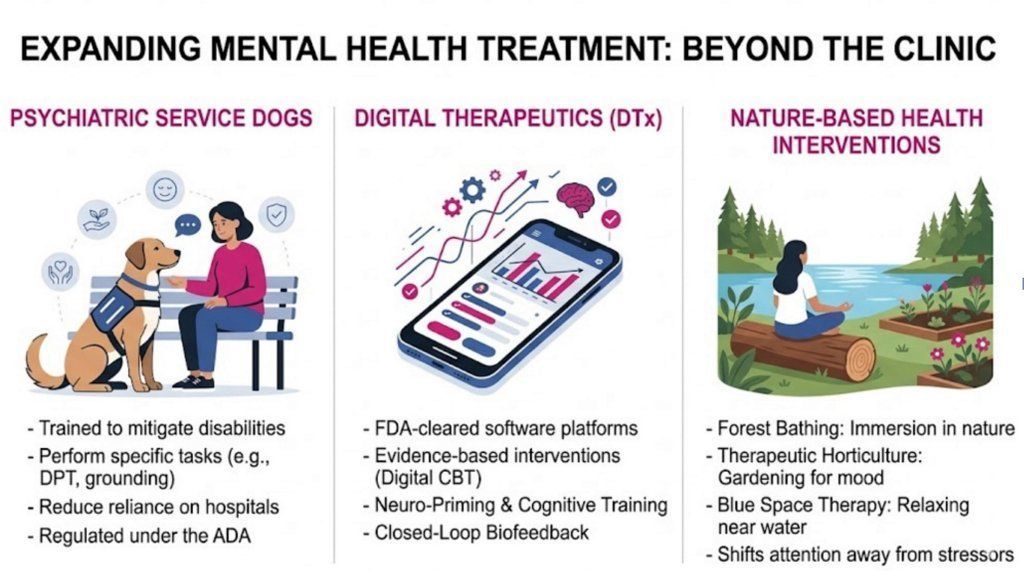
Psychiatric service dogs (PSDs) assist individuals with mental health conditions. They help manage symptoms of PTSD, anxiety, and depression, providing a calming presence and emotional grounding.
Autistic adults can benefit from autism service dogs , who help with sensory processing and social interaction. These dogs provide stability and communication support.
Common types of service dogs and their roles:
- Medical alert dogs: health monitoring
- Psychiatric service dogs: emotional support
- Autism service dogs: communication aid
Ultimately, the role of a service dog in the workplace revolves around enhancing the handler’s independence and performance. With their specialized training, these dogs offer more than companionship—they provide critical assistance that enables productivity and safety.
Psychiatric Service Dogs: Transforming Lives at Work
Psychiatric service dogs (PSDs) play a vital role for employees experiencing mental health challenges. They are trained to perform specific tasks that aid in managing conditions like PTSD, anxiety, and depression.
These service dogs can assist with grounding techniques during panic attacks, providing a calming influence. For many, having a PSD at work is essential for maintaining emotional stability and focus.
PSDs can also help identify and mitigate stressors in the workplace. By alerting their handlers to potential triggers, they prevent overwhelming situations and enhance workplace safety.
These dogs aren’t mere companions; they’re essential support systems. They offer emotional and practical assistance, promoting better mental health and improved job performance.
Roles of a psychiatric service dog:
- Provide emotional grounding
- Alert to triggers
- Support anxiety management
The presence of PSDs in work settings cultivates a supportive atmosphere. Employees report improved morale and understanding among colleagues, fostering an inclusive culture.
The Process: Bringing a Service Dog to Your Workplace
Introducing your service dog to the workplace requires careful planning. Open communication with your employer is vital in setting the foundation for a smooth transition. Discuss your needs and the specific role your service dog will play.
It’s essential to provide documentation confirming your service dog’s training. This step assures your employer of the dog’s capabilities and professional behavior in the workplace environment.
Plan the introduction of your service dog to colleagues thoughtfully. Familiarization sessions can help create a comfortable atmosphere for everyone involved. These sessions clarify the dog’s role and reduce potential apprehensions.
Consider the logistics of your dog’s needs, like designated rest areas and access to water. Ensure these accommodations align with your workplace’s setup and policies. This preparation fosters a more supportive environment for both you and your service dog.
Key steps in the integration process include:
- Communicate with your employer
- Provide necessary documentation
- Plan introductions with colleagues
Implementing these steps ensures a smooth and effective integration of your service dog at work.
Employer Responsibilities and Best Practices
Employers play a crucial role in accommodating service dogs in the workplace. They must understand their legal obligations under the ADA to provide reasonable accommodations. This ensures an inclusive work environment for employees with service dogs.
Clear policies should be developed regarding service dogs at work. These policies need to communicate expectations and accommodate the needs of both the employee and the service dog. It’s beneficial to outline the procedures for introducing a service dog to the workplace.
Training sessions for staff can enhance understanding and integration. Educating employees about the role of service dogs fosters a supportive atmosphere. It also helps prevent potential issues or misunderstandings.
Providing resources and designated spaces for service dogs contributes to their well-being. Access to water, a comfortable rest area, and relief spaces are important. These considerations make the workplace more welcoming for service dog teams.
Best practices for employers include:
- Establish clear policies
- Offer staff training
- Provide necessary resources
These steps help integrate service dogs smoothly and effectively into the workplace environment.
Addressing Common Concerns and Misconceptions
Many misconceptions surround the topic of having a service dog at work. One common concern is the fear of distractions. In truth, a well-trained service dog knows how to behave professionally and minimize disruptions.
Another misconception involves allergies among coworkers. Open communication and planning can mitigate these issues, ensuring everyone’s comfort and health. Solutions might include designating specific areas for the service dog to stay.
Concerns about unfair advantages can also arise. However, service dogs provide necessary support, not an unfair edge. Their role is to assist with tasks directly related to the handler’s disability.
Addressing these issues requires understanding and dialogue. Some key points to consider include:
- Service dogs are trained not to disrupt
- Allergies can be managed with good planning
- Service dogs do not offer unfair advantages
These insights help dispel myths and promote a supportive work environment for everyone.
Real Stories: Service Dogs Making a Difference at Work
Service dogs change lives, and the stories are numerous. Consider Michelle, who uses a psychiatric service dog to manage her PTSD. At work, her dog provides grounding techniques during stressful moments, enhancing her focus and productivity.
Tom, a software engineer, shares a different experience. His service dog assists him with mobility issues, retrieving items, and opening doors in the office. This support allows him to navigate his workspace independently and with confidence.
For Emily, who deals with severe anxiety, her service dog makes a significant impact. The dog alerts her before anxiety spikes, enabling her to take preemptive steps to manage her condition.
These individual stories highlight the diverse ways service dogs assist handlers. They underscore the powerful bond between handler and dog, characterized by support and understanding.
Through their roles, service dogs are irreplaceable partners in the workplace, helping to transform challenges into manageable tasks.
Service Dog Training: Why Quality Matters
Service dog training is pivotal to their success and functionality. It impacts their ability to effectively assist their handlers in complex work environments. Proper training ensures these dogs can perform specific tasks tailored to individual needs.
Not every training program is equal, which makes selection crucial. High-quality training, such as those offered by Service Dog School of America, specializes in medical and psychiatric service dogs, ensuring they meet diverse requirements.
Effective training covers not only the tasks a dog must perform but also how they should behave in bustling or stressful work settings. Dogs trained to manage unpredictable situations reduce stress for handlers.
Components of effective training include:
- Task-specific training
- Behavior management
- Handler-dog communication
Investing in well-trained service dogs results in profound, positive changes. High net worth families and individuals often seek these specialized services to ensure their dogs provide maximum benefit.
Creating an Inclusive and Supportive Workplace
Creating an inclusive and supportive workplace is essential when accommodating service dogs. It not only benefits handlers but also enriches overall workplace culture.
Employers play a key role in fostering this environment. Clear policies and open communication about service dogs help address potential issues before they arise.
Inclusivity involves educating the team about the roles and rights of service dogs. This encourages understanding and reduces biases.
Best practices include:
- Hosting training sessions on service dog etiquette
- Designing comfortable spaces for service dogs
- Encouraging open dialogue about employee needs
Supportive environments allow service dogs to assist their handlers effectively. This leads to enhanced productivity and a harmonious workplace setting, where both employees and service dogs thrive.
Frequently Asked Questions About Service Dogs at Work
Many wonder about bringing a service dog to work. Here are answers to some common questions.
What defines a service dog?
A service dog is specially trained to assist individuals with disabilities in performing specific tasks.
Can I bring my service dog to any workplace?
Under the ADA, you can bring your service dog unless it poses an undue hardship on the employer.
What tasks can a service dog perform at work?
Service dogs can perform tasks such as medical alerts, managing anxiety, and providing psychiatric support.
Are there costs involved for the employer?
Employers are responsible for reasonable accommodations, but they typically do not cover costs like training.
How should coworkers interact with a service dog?
Colleagues should respect the service dog as a working animal and avoid distracting it.
Understanding these aspects helps create a more inclusive workplace for everyone.
Conclusion: The Transformative Power of Service Dogs at Work
Service dogs in the workplace provide immense value beyond their tasks. They enhance autonomy and improve mental well-being.
Employers benefit from creating a supportive environment for service dogs. It boosts morale and fosters an inclusive culture.
Integrating service dogs can transform lives. Their presence helps individuals thrive both personally and professionally, reshaping the workplace for the better.