How Service Dogs Support Adults With Autism in Public and at Home
For many adults on the autism spectrum, daily life can involve challenges that are difficult for others to fully understand. Sensory overload, social fatigue, sudden changes in routine, anxiety in public places, and difficulty navigating unfamiliar situations can all affect independence and quality of life. At Service Dog School of America , we believe adults on the spectrum deserve support that is practical, reliable, and life enhancing. That is why we train highly skilled service dogs to provide real help in real-world environments.
An autism service dog is far more than a companion. A properly trained dog can help an adult on the spectrum move through life with greater confidence, consistency, and emotional stability. These dogs can reduce stress, assist with transitions, provide grounding during overwhelming moments, and help their handlers engage with the world more comfortably. For some adults, the right service dog becomes one of the most important support systems they have.
At Service Dog School of America, we specialize in training service dogs that are prepared for public life, daily routines, and individualized support needs. Our goal is not simply to place a dog. Our goal is to create a working partnership that helps adults on the spectrum live more independently and more fully.
Understanding Autism in Adults and Why Support Matters
Autism in adulthood can look very different from person to person. Some adults on the spectrum are highly independent but struggle with sensory regulation, social communication, or navigating crowded public spaces. Others may need more substantial support with routines, emotional regulation , and community access. In either case, the challenges are real, and the right support can make a profound difference.
Many adults on the spectrum experience:
- Sensory sensitivities to sound, light, crowds, or touch
- Difficulty with transitions or unexpected changes
- Social stress or difficulty reading cues
- Anxiety in public environments
- Trouble maintaining routines without added support
- Emotional overload that can interfere with daily functioning
At Service Dog School of America, we understand that service dog support must be individualized. A dog trained for one person’s needs may not be right for another. That is why autism service dogs must be carefully matched and carefully trained.
What Is an Autism Service Dog?
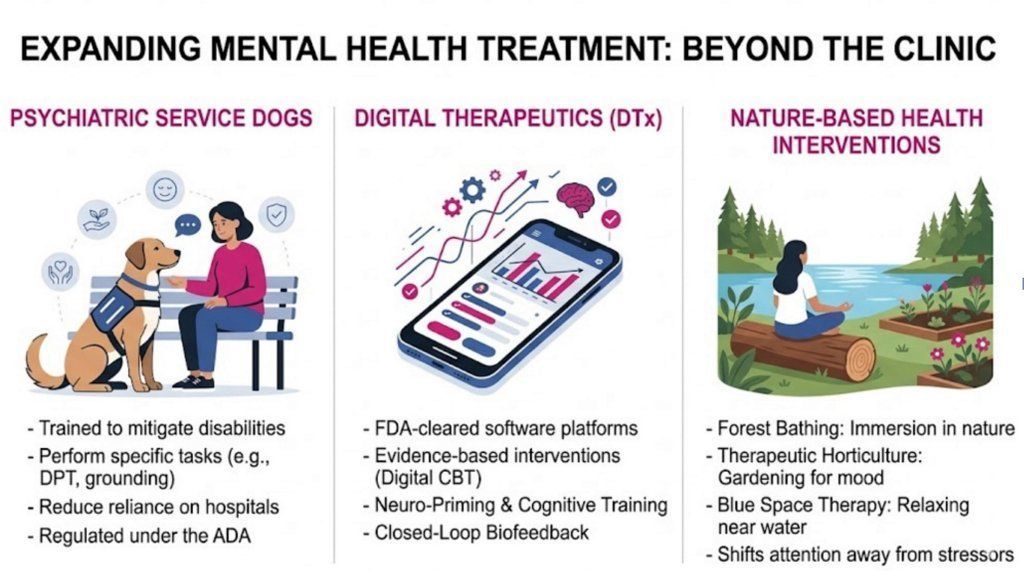
An autism service dog is a specially trained service dog that performs tasks directly related to the handler’s disability. For adults on the spectrum, these tasks may involve sensory support, routine reinforcement, emotional grounding, public access assistance, and safety related behaviors.
A legitimate service dog is not simply present for comfort. Under the Americans with Disabilities Act , a service dog must be individually trained to perform tasks that mitigate a disability. At Service Dog School of America, we train dogs that meet this standard through structured, professional preparation.
These dogs can support adults on the spectrum by helping them:
- Stay calmer in overstimulating environments
- Transition more smoothly between activities or locations
- Feel safer and more confident in public
- Maintain important daily routines
- Reduce isolation and increase engagement
The result is often greater independence and a stronger sense of control in everyday life.
How Autism Service Dogs Help Adults on the Spectrum
Autism service dogs can improve daily life in practical and emotional ways. For many adults, the dog becomes both a working partner and a steady source of support.
Sensory Regulation and Grounding
Sensory overload can make everyday environments feel exhausting or unmanageable. Our dogs can be trained to provide grounding support during stressful moments. This may include deep pressure therapy, tactile contact, or other calming behaviors that help the handler regulate and remain present.
For adults who become overwhelmed by crowds, noise, or unfamiliar situations, this type of support can make public participation more realistic and less frightening.
Daily Routine and Predictability
Routine matters for many adults on the spectrum. A consistent schedule can reduce anxiety and improve overall functioning. Service dogs can help reinforce daily patterns through trained prompts and predictable interaction.
At Service Dog School of America, we train dogs that can support transitions, encourage movement through a routine, and provide a stabilizing presence that helps the handler stay on track.
Public Access and Community Engagement
Public spaces can be difficult for adults with autism, especially when those spaces are noisy, crowded, or unpredictable. A service dog can help the handler move through those spaces with more confidence.
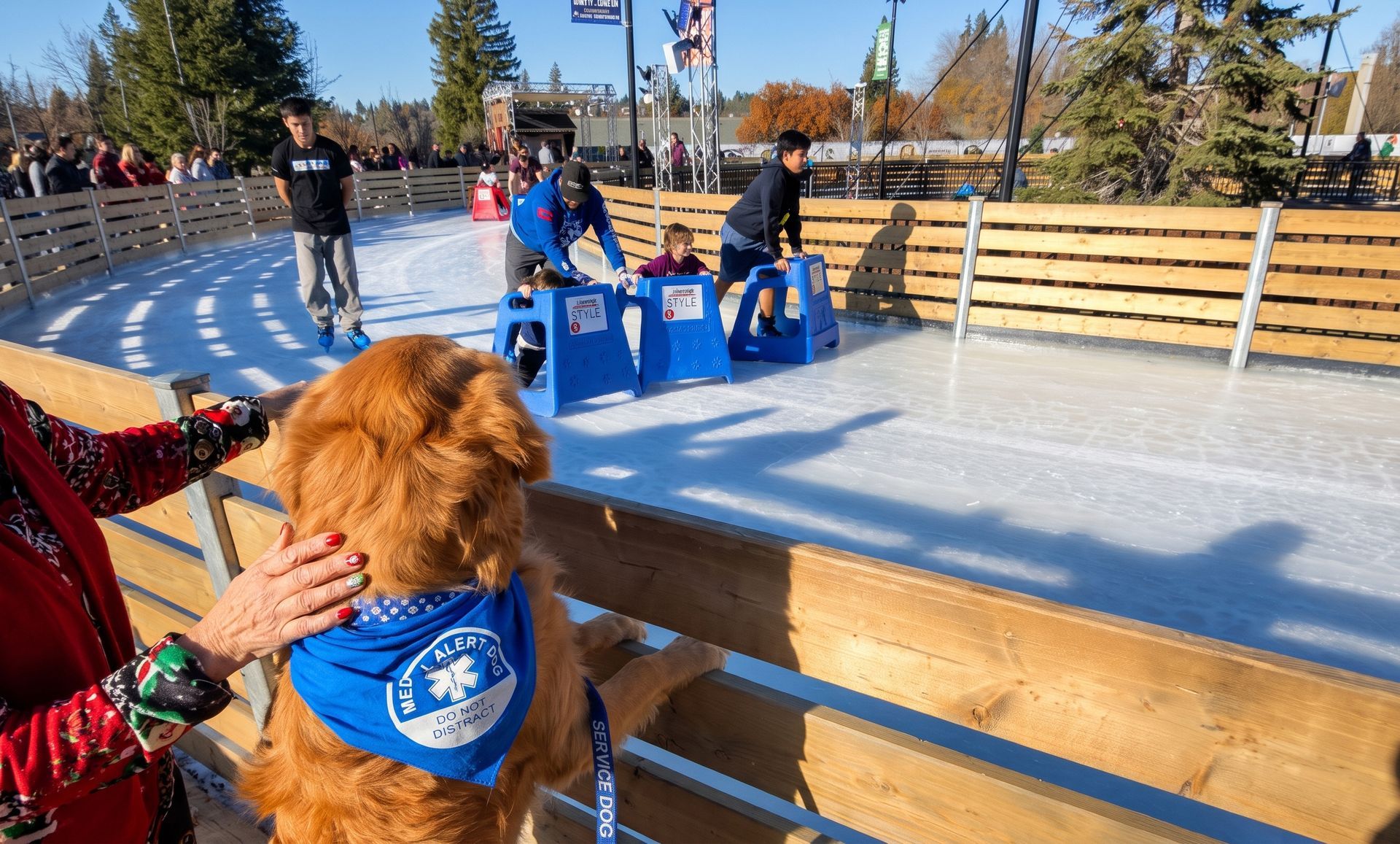
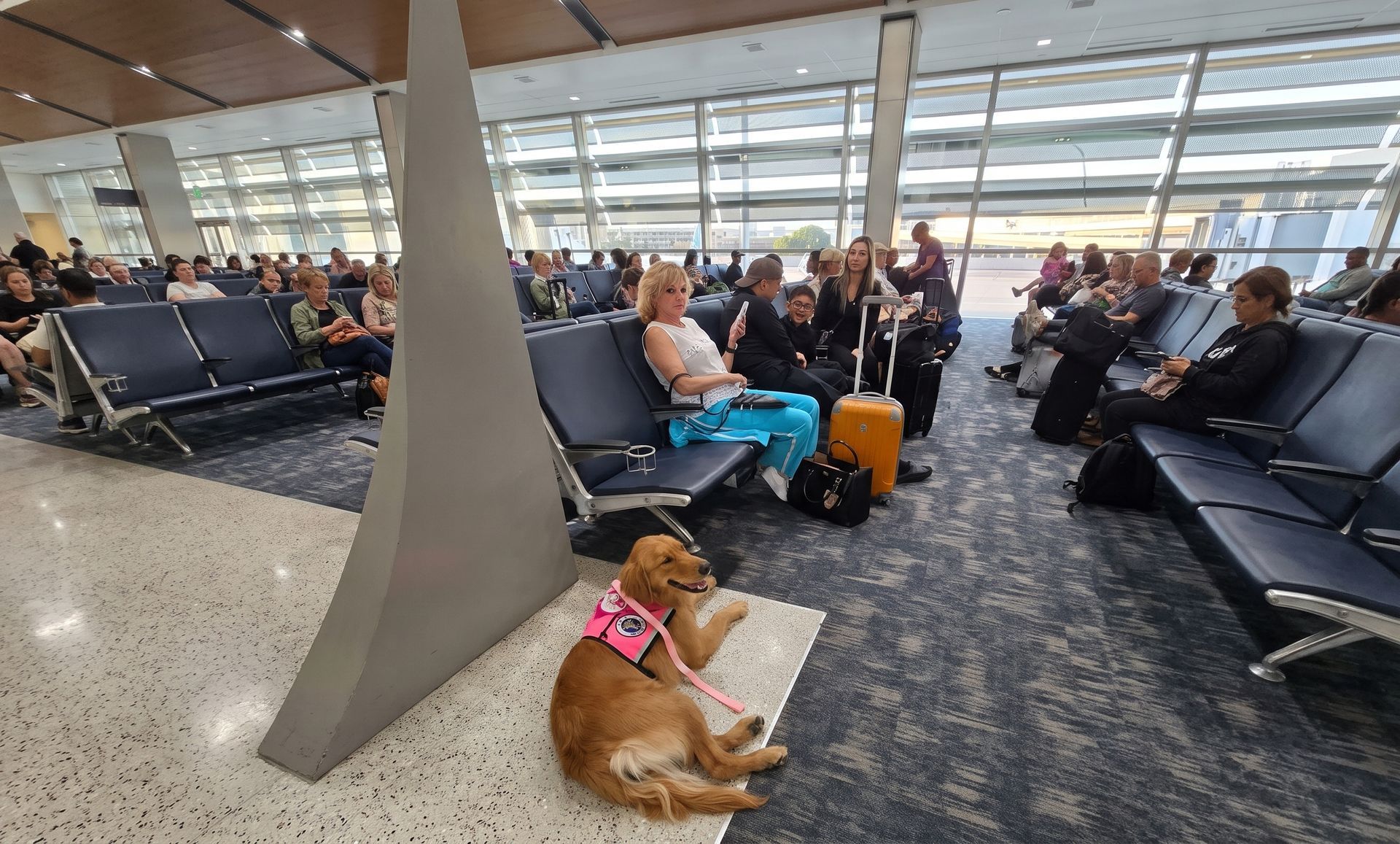
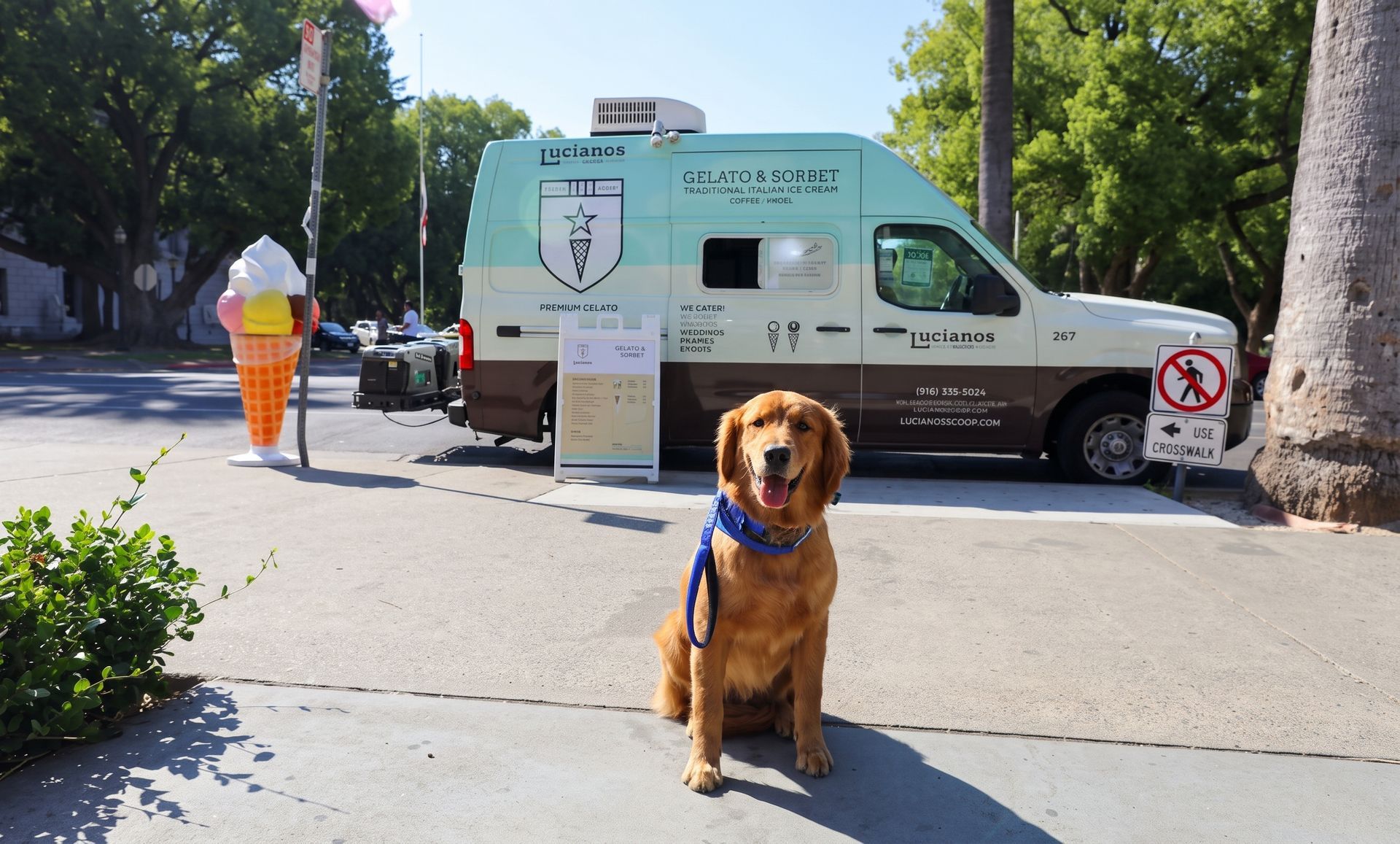
Our dogs are trained for real-world public access, which means they learn to remain calm in restaurants, stores, airports, offices, sidewalks, and other everyday settings. That training matters because a service dog must be able to function reliably wherever the handler needs support.
Emotional Support Through Task Work
Autism service dogs also help reduce anxiety, emotional overwhelm, and feelings of isolation. While emotional comfort alone does not make a dog a service animal, the trained tasks these dogs perform often bring significant emotional relief.
The dog’s steady presence, combined with task-based assistance, can help adults feel safer, more confident, and more capable of engaging with the world around them.
Tasks Autism Service Dogs Can Perform
At Service Dog School of America, task training is customized to the individual. Adults on the spectrum may need different forms of support depending on their routines, triggers, and daily goals.
Common autism service dog tasks may include:
Deep Pressure Therapy
The dog is trained to apply steady body pressure across the handler’s lap or torso to reduce overwhelm and support nervous system regulation.
Grounding During Overload
The dog may provide physical contact, leaning, or sustained touch that helps the handler stay present during moments of stress or sensory escalation.
Assistance With Transitions
Some adults on the spectrum struggle with moving from one task, location, or environment to another. A service dog can help create smoother transitions through routine based task cues and steady guidance.
Retrieving Items
Service dogs can retrieve dropped or needed items, which can reduce stress and increase independence.
Alerting to Important Sounds or Environmental Changes
For some handlers, a dog can be trained to draw attention to key environmental information that might otherwise be missed or become overwhelming.
Social Bridging
While this is not the sole purpose of a service dog, many adults find that a well-trained dog helps make social interaction feel more manageable. The dog can provide focus, comfort, and a natural point of connection that reduces social strain.
Independence, Relationships, and Quality of Life
The benefits of autism service dogs often extend well beyond the specific tasks they perform. For many adults on the spectrum, the dog becomes a key part of greater independence and improved quality of life.
A service dog can help someone feel more comfortable leaving the house, attending appointments, going to work, or participating in community activities. That increased engagement often leads to better confidence and stronger personal growth.
Relationships can improve as well. Family members may feel reassured knowing their loved one has a dependable support partner. Social interactions may become easier because the dog helps reduce stress and offers a steady emotional anchor.
At Service Dog School of America, we have seen how these partnerships can help adults build more fulfilling lives. The right dog can support not just daily function, but connection, stability, and long-term confidence.
Public Access Standards and Legal Considerations
A legitimate autism service dog must be trained to behave appropriately in public. This is essential for both safety and legal access.
Under the Americans with Disabilities Act, service dogs are allowed in most public places where pets are not permitted . That includes stores, restaurants, transportation, hotels, and many workplaces. But those rights depend on the dog being well behaved, under control, and trained to perform disability related tasks.
At Service Dog School of America, public access training is a major part of our process. Our dogs are trained to:
- Remain calm around crowds and distractions
- Walk politely in public settings
- Settle quietly in indoor environments
- Ignore food, noise, and environmental stimulation
- Stay focused on their handler
This level of reliability is critical. A service dog must support the handler, not add stress or unpredictability to daily life.
The Training Process at Service Dog School of America
Training an autism service dog requires far more than basic obedience. At Service Dog School of America, we use a structured, professional training process designed for reliability and real-world performance.
Individualized Matching
The right service dog must be matched to the right person. We consider temperament , sensitivity, confidence, trainability, and compatibility with the handler’s lifestyle and support needs.
Professional Task Training
Each dog receives task training tailored to the specific needs of the adult they will serve. This may include sensory support tasks, transition support, grounding work, item retrieval, and public access skills.
Public Environment Conditioning
Our dogs are trained in real environments, not just controlled settings. That includes exposure to common public spaces, transportation settings, busy sidewalks, and indoor environments where the dog must remain calm and focused.
Handler Integration
Placement is not the end of the process. We work to make sure the handler understands how to work with the dog, reinforce training, and build a successful long-term partnership.
What Clients Can Expect
Adults on the spectrum and their families often want to know what the process looks like and what kind of investment is involved. A professionally trained autism service dog requires extensive time, expertise, and individualized preparation.
Clients working with Service Dog School of America can expect:
- A private conversation about support needs and goals
- Careful matching with the right dog
- Professional training focused on autism-related support
- Public access preparation
- Guidance through placement and integration
- Ongoing support after placement
The financial investment reflects the amount of time and specialized work required to produce a dependable service dog. While costs vary depending on the training and needs involved, the long-term value can be substantial for adults seeking increased independence and daily support.
Why Choose Service Dog School of America
Choosing the right training program matters. Autism service work requires skill, patience, and a serious commitment to individualized results. At Service Dog School of America, we focus on training dogs that truly improve daily life.
Clients choose our program because we provide:
- Professional service dog training tailored to the individual
- Reliable public access standards
- Task-based support for real-world needs
- Careful matching and individualized preparation
- Ongoing commitment to long-term success
Our goal is to provide more than a trained dog. We aim to provide a true working partner that helps adults on the spectrum live with greater confidence, stability, and freedom.
A Stronger Path Toward Independence and Connection
Autism service dogs can make a meaningful difference for adults on the spectrum. Through task-based support, emotional grounding, public access assistance, and routine reinforcement, these dogs help create greater stability and more opportunity in daily life.
At Service Dog School of America, we believe adults on the spectrum deserve support that is dependable, respectful, and built for real life. A professionally trained autism service dog can help reduce overwhelm, increase independence, and make the world feel more manageable.
If you are exploring whether an autism service dog could be the right fit for you or someone you love, Service Dog School of America is here to help. Contact Service Dog School of America today to discuss your needs, learn about our training process, and take the first step toward a service dog partnership designed to support independence, connection, and long-term quality of life.