Do Dogs Help with Anxiety? The Truth Revealed
One of the biggest problems that US people have is anxiety. A great solution to this problem lies in man’s best friend. Thus, it’s no surprise that some 60.2 million US households have dogs as pets.
Do you know why dogs make great companions for the anxious? Do you want to know what it is about dogs that make them so loveable? Do dogs help with anxiety disorders or other mental and social health issues?
We’ll answer those questions and more on our guide below. Keep reading to find out more about dogs and how they affect health.
1. What Health Benefits Do Pets Provide Us?
Pets can cause good and/or bad character development in first-time pet owners. Why and how do they do that? Below is an explanation of the benefits of pets to people of different ages.
Health Benefits of Pets for Kids
Children who grow up with dogs as pets have better emotional well-being than those who didn’t. This is because pet dogs offer unconditional love and companionship. This helps develop a child’s positive self-image.
Hyperactivity and aggressiveness in kids may be the effect of anxiety and stress. The Anxiety and Depression Association of America (ADAA) says anxiety affects childhood experiences. The ADAA also says that anxiety disorders affect 25.1% of children 13 to 18 years old.
Anxiety affects kids’ performance in school, social experiences, and can cause substance abuse. If left untreated, these disorders can develop further. Dogs can calm these traits in kids.
Dogs offer emotional stability and support to children with their presence alone. They offer the child things that adults don’t. They aren’t critical, they listen well, and they don’t give orders to the child.
Let’s not forget that a child’s learning difficulties can improve with pets and play. Autistic children and animals both rely on nonverbal cues to communicate. If you have a kid with autism, getting them a dog helps them improve faster.
Kids who play with dogs also have more joy and certain physical resiliencies. They have less risk of allergies and asthma. They also have healthy physical exercise since dogs need to play and exercise as well.
Health Benefits of Pets for Older Adults
It’s also healthy to own a pet dog when you’re in your senior years. Like they do with children, pet dogs can give you a joyful and meaningful life. They are there to offer companionship, especially for those who now live alone.
Are you afraid of developing dementia or Alzheimer’s disease? Elderly people with Alzheimer’s exhibit behavioral problems when they feel stress. Pets offer a source of positive interaction that ease stress levels.
Owning a dog is great for seniors for the exercise benefits they present. Dog owners know that it takes work to take good care of a pet dog. Thus, they encourage exercise in elderly adults, which boosts energy.
2. Dogs and Mental Health
Our unique problems put us in unique degrees of anxiety. Some handle it better than others. Some need help from furry, four-legged, tail-wagging friends.
Dogs have a way of re-balancing certain hormones in our bodies. Their antics and natural dispositions help increase our serotonin levels. Serotonin is the chemical in our brains that makes us feel happier.
More serotonin leads to decreased cortisol. If you remember, cortisol is the stress hormone of the body. Studies say that pet owners show a reduction of cortisol levels compared to people who don’t own pets.
Oxytocin is another feel-good chemical. Some refer to it as the love hormone since it increases when we interact with loved ones. It is a vital element to relationship-building since it promotes attachment.
As an attachment hormone, oxytocin is also what creates and strengthens our bonds with pets. The balancing act goes on as our oxytocin levels increase when we interact with pets. According to research, the mere act of petting a dog can increase your oxytocin levels.
Some people find that dogs are more relatable, and there’s an explanation for that. Dogs are more straightforward with their needs and affection. They don’t need to hide their love or needs from their owners.
It’s natural for humans to show vulnerability when we see it shown to us. Thus, we have an innate trust in dogs.
Another explanation for our bond with canines has to do with evolution. Both humans and dogs have a primal instinct to conform to a social structure. For us, it’s the family unit while dogs know it as the pack mentality.
We see this parallelism in each other and thus see each other as family/pack. From there, we take care of each other as we’d take care of family/pack members.
3. How Having Dogs Affect Our Lives
Dogs reduce our anxieties in life in various ways. This section will inform you if you want to know how they do that. Note that the following entries are only some of the ways pet dogs help you handle anxiety.
Dogs Are Great for Social Interactions
If you have anxiety with meeting new people, having a dog around can make you more approachable. Docile and amiable dogs have a natural charm about them. People want to approach and befriend them, and in turn, the owner as well.
Let’s also not forget that dogs make great wingmen. At the same time, they’re also great icebreakers. First-time dog owners may find it surprising how long they can converse with new people about their pooch.
Some people find dog owners more attractive than those who aren’t. They understand that taking care of a dog involves commitment and responsibility. These traits people look for in reliable life partners show through pet ownership.
They Offer Small but Powerful Physical Comforts
Sensory stress relief is something pets like dogs and cats provide. Stroking a dog may give you more comfort and relief than it does your dog. Dogs know that, and so they come to you for touch.
Emotional support dogs are great at reading your mood. When they see that you’re in distress, they’ll come to you and provide sensory stress relief. They may sniff, sit next to you, cuddle, or ask for a good rub.
Your dog will be there when you’re worrying about work, nudging your arm with its nose. It’ll be by your side when you’re having a sleepless night, nuzzled against you. Its presence in the same room alone can bring you comfort that nothing or no one else can.
Some emotional support dogs have the training to do more than these little things. Do you feel that an emotional support dog is what you’re lacking? Find out what you need to know before you get one.
Playing With Your Dog Can Help You Clear Your Mind
It can be difficult to get out of your head, especially if you’re battling PTSD. If you spend too long, your PTSD can trigger health problems. Dogs, especially emotional support dogs, can help snap you out of it.
Their best weapon of choice is playing with you. It can be as simple as fetching a stick or Frisbee for you. It can be something more interactive, like chasing you around the house.
A few moments of fun with your pet can boost your mood and motivation. They don’t need to tell you meaningless words of comfort or encouragement. All they need is a little slice of your time and your openness to having an ally in your mental battles.
They Distract Us From Our Worries
Having too much focus on a problem can blind you to the best solution. Taking care of your canine can provide you a much-needed break. If you’re a dog owner, you know that your dog won’t fail to remind you to take a break.
Your pooch’s simple needs are enough to break lengthy bouts of overthinking and anxiety. It’ll remind you to care for it when you’re too busy. In turn, you get reminded to care for yourself too.
Your head is clearer by the time you’re done feeding, showering, or playing with it. Only then can you get back to a problem and see what you missed. Remember, distractions are as healthy as taking breaks.
You Get More Exercise With Dogs
Another way that pets help your mental health is through exercise. Getting a dog takes work and commitment. That includes giving its daily needs like a good run or play.
Exercise is a natural stress buster. It helps you improve your mood, create more endorphins, and relieve pains. Let’s not forget that exercise is more fun when you’re doing it with your favorite individual.
Not all dogs have the same exercise requirements. If you want to improve your physical fitness, get a dog that needs average exercise. Even a low-maintenance canine’s playfulness is enough to get you a good amount of exercise.
It Feels Good to Come Home to Someone
Coming back to a cold and empty house after a long day’s work can feel terrible. Some people find it comforting to see someone excited about their arrival. Few beings are as good as dogs are when it comes to showing their enthusiasm for you.
Dogs Have Unconditional Love for You and Won’t Judge You
Sometimes you’ll read in fiction how characters feel that their dogs shoot them judgmental looks. Don’t let this fool you. Your pet won’t care what or who you are.
You can come home feeling like a terrible person. Yet your beloved dog will still greet you at the door with zeal. You can be broke and homeless, but your pooch will stick by your side without questions or judgment.
They’ll even continue to stand by you, even when you’re already six feet under the ground. This is one reason why dogs are man’s best friend. It’s rare for other pet animals to have the same energy and adoration dogs have for us.
Let’s not forget that you can talk to your dog about your dilemmas without fear of judgment. You won’t get any unwanted advice from your pooch too. They’re perfect for people who let off steam by talking about their problems.
4. Do Dogs Help With Anxiety?
Do dogs help with anxiety? The resounding and obvious answer is yes. The proof is in what we’ve written above and in the experiences of other dog owners.
You can prove it yourself by getting a dog as well.
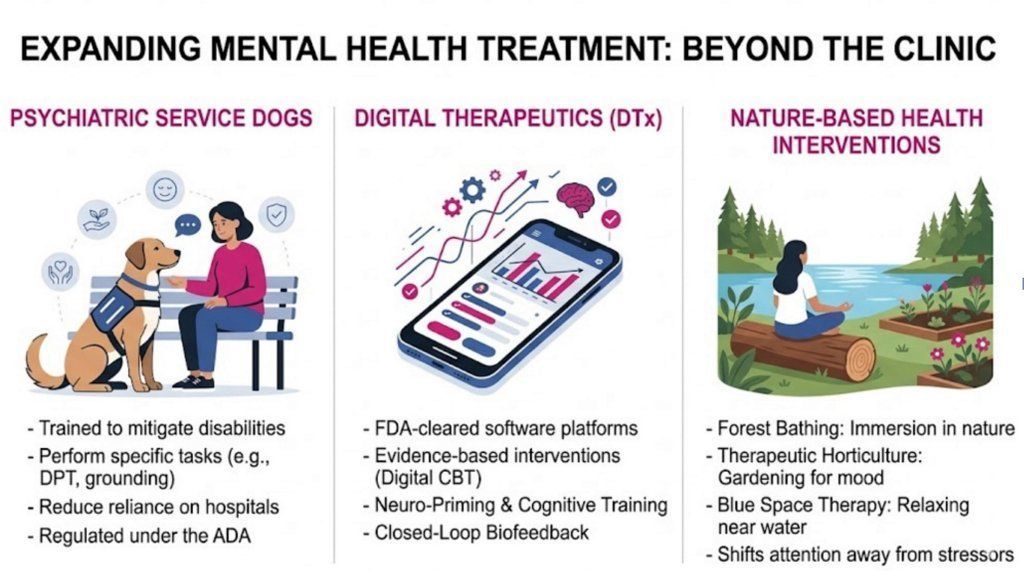
Note that there are various types of dogs you can get for your anxiety. Today, dogs are available as pets, service dogs, and emotional support animals.
Getting service dogs and emotional support dogs take longer and more requirements. You can also train your pet dog to become a service dog. You can check out our service dog training guide for more information.
Note that emotional support animals serve to give you companionship. Service dogs have specific training to complete certain tasks that support dogs won’t. There’s also the third kind, therapy dogs, which work in hospitals to help patients recover.
Best Breeds for Anxious Pet Owners
If your goal is to get a dog to help with your anxiety, any breed is good. However, some breeds are more equipped to decrease anxiety in their owners. These include:
- Golden retriever
- German shepherd
- Maltese
- Labrador retriever
- Bulldog
- Saint Bernard
- Poodle
- Pembroke Welsh Corgi
Those are only a handful of breeds that can help you reduce your anxiety better.
5. What to Consider Before Getting a Dog for Anxiety Disorders
If it’s your first time to get a dog to help with your anxiety disorder, pick a breed meant for beginners. Remember, taking care of a dog involves commitment. There’s a reason many parents use dogs to teach their kids to be responsible.
Different breeds have different needs. Some are more active while others don’t need as much exercise. Breeds with more hair need more maintenance and grooming.
As a tip, plan it out. Know your budget and if it can handle high-maintenance dogs.
Find a Best Friend to Help With Your Anxiety
Do dogs help with anxiety? Without a doubt, yes!
When you decide to get a dog, always make sure you get a breed that matches your lifestyle. Like people, every breed and dog has unique needs. You can learn more about finding the right dog for you in our other blog posts.
If you have any queries about support dogs or service dogs, let us know.