Does Owning A Service Dog Increase Life Expectency?
Does Owning A Service Dog Increase Life Expectency?
Service dogs are more than just companions. They are lifelines for many people. These dogs provide essential support and assistance.
The benefits of owning a service dog are profound. They can improve both mental and physical health. This can lead to a longer, happier life.
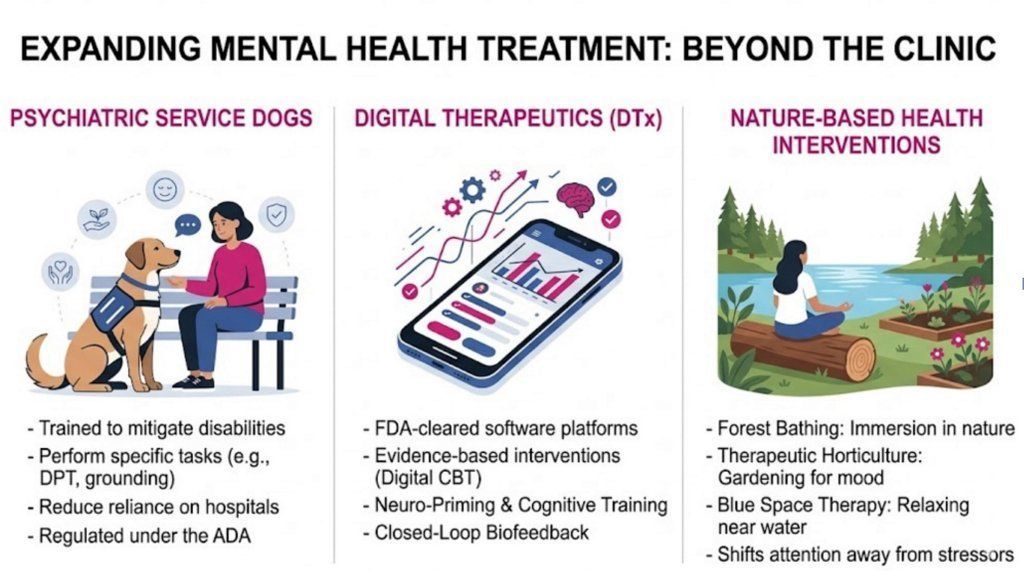
Psychiatric service dogs help manage mental health conditions. They offer emotional support and stability. This can reduce stress and anxiety.
Medical alert dogs are trained to detect health changes. They can alert their handlers to potential medical emergencies. This can prevent serious health issues.
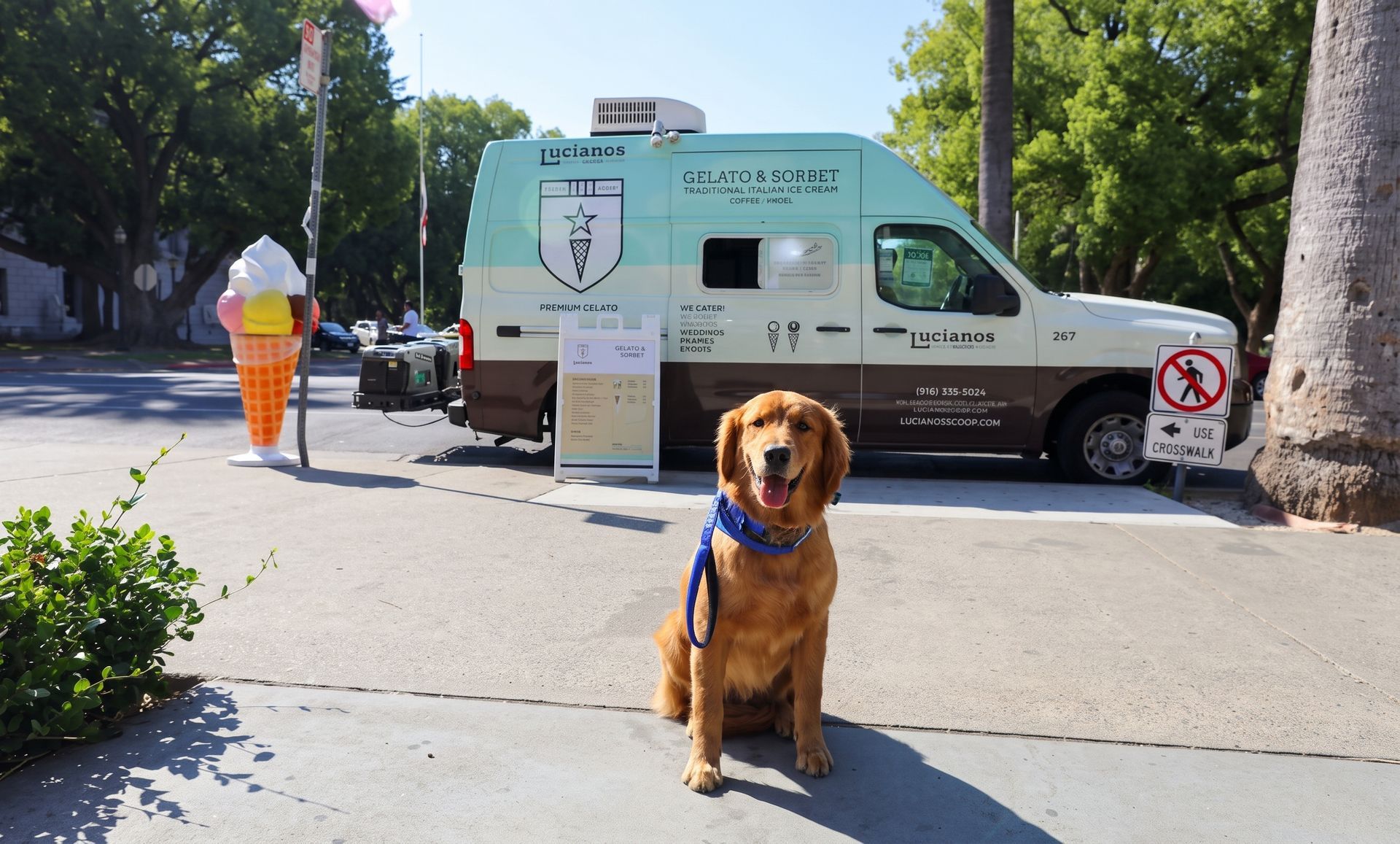
Golden retrievers are a popular choice for service dogs. Their intelligence and temperament make them ideal. They are often seen in service roles.
The Service Dog School of America is a leader in training. They ensure dogs are well-prepared for their roles. This training is crucial for success.
David Baron is a notable figure in this field. His work has advanced service dog training. His contributions are widely recognized.
The website www.superdog.com offers valuable resources. It provides information on service dogs and their benefits. This is a great starting point for those interested.
Service dogs can transform lives. They offer independence and security. Their impact on life expectancy is a growing area of research.
Understanding Service Dogs: More Than Companions
Service dogs are vital for individuals with disabilities. They are trained to perform specific tasks. These tasks aid their handlers in daily life.
Their role goes beyond basic companionship. They offer essential support that can be life-saving. This includes both physical and emotional assistance.
The types of service dogs are diverse. Each type is trained for specific needs. Here’s a brief list of common service dogs:
- Medical Alert Dogs : Detect changes in health.
- Psychiatric Service Dogs : Provide emotional support.
- Mobility Assistance Dogs : Help with physical tasks.
Medical service dogs can sense seizures or low blood sugar. This early detection is critical. It allows people to seek help promptly.
Psychiatric alert dogs assist those with mental health conditions. They help manage symptoms of anxiety, PTSD, and more. Their presence is calming and reassuring.
Service dogs encourage independence. They empower handlers to engage with the world confidently. This independence can significantly improve quality of life.
Understanding these roles is crucial. It helps to appreciate the depth of their impact. Service dogs are more than helpers; they are partners in health.
The Science Behind Service Dog Benefits
Service dogs are more than just extraordinary companions. Their benefits are backed by science. Research shows these dogs dramatically enhance their handlers’ lives.
Studies reveal that service dogs can significantly lower stress levels. This is crucial for overall health. Lower stress can reduce the risk of many illnesses.
Heart disease is one condition that benefits from less stress. Service dogs encourage regular activity. This helps improve cardiovascular health.
Research supports their impact on mental health too. Handlers often experience less anxiety and depression. These dogs provide a sense of purpose and calm.
Social interactions also see positive changes. With a service dog, individuals often engage more socially. This increased interaction can combat loneliness effectively.
Several studies have highlighted critical benefits:
- Improved Mental Health : Reduced anxiety and depression.
- Physical Well-being : Encourages exercise, lowering heart disease risk.
- Social Engagement : Fosters social connections.
Moreover, the bond formed with a service dog is unique. It adds emotional support crucial for well-being. This bond is a cornerstone of their effectiveness.
In summary, science confirms what many already know. The presence of a service dog can transform lives. They are not just helpful; they are essential.
Psychiatric Service Dogs: Transforming Mental Health and Longevity
Psychiatric service dogs are vital allies for individuals struggling with mental health issues. These remarkable dogs provide more than companionship. They offer targeted support that can change lives.
For those with conditions like PTSD, anxiety, or depression, psychiatric service dogs offer hope. They are trained to recognize signs of distress and respond accordingly. Their presence can defuse anxiety attacks before they escalate.
These dogs are also known for their ability to improve daily routines. Consistent schedules can help stabilize mood. Their handlers often report better mental health outcomes over time.
The tasks psychiatric service dogs perform are specialized. From providing deep pressure therapy to blocking in crowded spaces, their skills are diverse. Such tasks can prevent overwhelming situations and calm the mind.
Some common tasks include:
- Deep Pressure Therapy : Applying weight to reduce anxiety.
- Behavioral Interruption : Redirecting harmful behavior.
- Alerting to Rising Anxiety : Notifying before an emotional crisis.
Moreover, these dogs help increase social interaction. They encourage their handlers to go out and engage with others. This can lead to more fulfilling social experiences.
The bond with a psychiatric service dog can build confidence. Individuals may find themselves pursuing activities they once avoided. This renewed engagement can foster a more satisfying life.
Reducing reliance on medication is another significant benefit. Many people find that their service dogs lessen the need for certain prescriptions. This can lead to fewer side effects and healthier living.
Overall, psychiatric service dogs are transformative. They not only assist with mental health but contribute to a longer, healthier life. They open doors to opportunities and a future filled with hope.
Medical Alert Dogs: Saving Lives Every Day
Medical alert dogs are indispensable companions for those with life-threatening health conditions. These amazing canines can detect subtle changes in their handler’s body. This ability is crucial for timely intervention.
Their senses are incredibly acute. They can smell changes in blood sugar levels and detect seizures before they occur. This early warning system is vital in preventing emergencies.
Handlers benefit immensely from this constant vigilance. The peace of mind provided by a medical alert dog cannot be overstated. Knowing that help is at hand builds confidence.
Each dog’s training is tailored to the handler’s specific condition. Tasks may include:
- Diabetic Alert : Indicating low or high blood sugar.
- Seizure Alert : Notifying impending seizures.
- Allergy Alert : Detecting allergens in the environment.
These tasks enable handlers to take preventive action. Whether it’s taking medication or moving to a safe space, these actions are lifesaving.
Handlers often report a significant reduction in hospital visits. Medical alert dogs help avoid crises that would otherwise lead to emergency care. This can lead to lower healthcare costs and a more independent life.
The bond between handler and dog is profound. Trust grows as the dog consistently monitors health and acts with reliability. This relationship fosters a sense of security.
Medical alert dogs offer more than physical assistance. They provide emotional stability and a comforting presence. This holistic support can enhance the handler’s overall well-being.
By promoting safety and independence, medical alert dogs play a vital role. They empower their handlers to engage more fully in daily life. With their vigilant eyes and keen senses, they truly save lives every day.
Golden Retrievers: The Gold Standard in Service Dogs
Golden retrievers have earned a stellar reputation as top-tier service dogs. Their intelligence, friendliness, and adaptability make them ideal for this role. Their eagerness to please is unmatched.
These traits contribute to their success across various service tasks. From guiding the visually impaired to supporting those with psychiatric needs, they excel. Their gentle nature is particularly comforting.
Training a golden retriever as a service dog is a rewarding process. Their trainable attitude allows them to master complex tasks quickly. They respond well to positive reinforcement and consistency.
Golden retrievers stand out for several reasons:
- Temperament : Calm and patient demeanor.
- Intelligence : Quick learners with problem-solving abilities.
- Socialization : Great with people and other animals.
These qualities make them adaptable across different environments. They are comfortable in bustling cityscapes and quiet countryside alike. Their adaptability ensures they perform consistently.
Their loyalty fosters a strong bond with their handlers. This connection is more than emotional; it enhances teamwork and communication. Handlers feel supported and understood.
Golden retrievers offer more than task performance. Their cheerful disposition makes them excellent companions. This adds joy and comfort to their handler’s daily life, enhancing emotional and physical well-being.
How Service Dogs Improve Physical Health and Longevity
Service dogs offer significant physical health benefits to their handlers. These improvements can positively influence life expectancy. The impact is both direct and indirect.
A primary benefit is increased physical activity. Service dogs require regular walks and exercise. This encourages handlers to stay active, boosting cardiovascular health.
Moreover, physical activity improves overall fitness. Regular movement reduces risks of obesity, heart disease, and other health issues. Thus, handlers enjoy better physical well-being.
Service dogs also assist with mobility and daily tasks. This includes retrieving items or providing balance support. Such tasks help maintain independence, crucial for quality of life.
Many handlers report better sleep patterns with a service dog. This results from reduced anxiety and a sense of security. Quality sleep is essential for physical recovery and health maintenance.
Notably, service dogs can help manage pain. They serve as comforting distractions during painful episodes. This can reduce the reliance on pain medication.
Here’s how service dogs boost physical health:
- Exercise : Regular walks and playtime.
- Assistance : Physical support with daily activities.
- Comfort : Reduce pain perception.
All these elements contribute to enhanced longevity. As handlers experience reduced stress and improved health, life expectancy may improve. The benefits are vast and significant.
In sum, service dogs foster healthier lifestyles. They bridge the gap between physical limits and enhanced living. Handlers not only enjoy better health but also feel more confident in their day-to-day life.
Emotional and Social Benefits: The Hidden Keys to a Longer Life
Service dogs profoundly impact emotional well-being, a critical component of life expectancy. Their presence offers comfort and stability, which eases emotional distress.
Handlers often experience reduced anxiety levels. The constant companionship of a service dog helps in calming nerves. This directly contributes to improved mental health.
The bond with a service dog also provides an unmatched emotional anchor. This bond fosters feelings of unconditional love and acceptance. Such feelings are invaluable for building self-esteem and emotional resilience.
Social benefits are equally noteworthy. Service dogs serve as social catalysts. They encourage interactions in public spaces, enhancing social engagement.
Increased social interaction combats loneliness. Engaging with others reduces the risk of depression, a factor linked to a longer life. This sense of belonging enhances both happiness and health.
Crucial emotional and social benefits include:
- Companionship : Alleviates loneliness and provides emotional support.
- Social Engagement : Facilitates interactions and broadens social networks.
- Confidence : Empowers handlers to face public settings with ease.
The emotional support provided by service dogs is profound. Handlers often find themselves more optimistic, which positively affects their overall outlook on life. This optimism naturally leads to healthier living and increased life expectancy.
In essence, the emotional and social benefits of service dogs transcend mere companionship. They create opportunities for improved mental health and enriched social connections, pivotal elements for a longer, more fulfilling life. The holistic benefits underscore why service dogs are more than just aides—they’re life-enhancing partners.
Service Dog School of America: Raising the Bar for Training and Placement
The Service Dog School of America stands out for its exceptional dedication to training and placement of service dogs. Founded by David Baron, the organization prioritizes quality over quantity in its programs.
Their training philosophy emphasizes tailored programs. Each dog is trained according to the unique needs of their future handler. This personalized approach ensures a perfect match between dog and human.
Trainers focus on developing essential skills in service dogs. These include physical assistance tasks and providing emotional support. The training is rigorous yet compassionate, reflecting the school’s high standards.
Service dogs from the school often exhibit remarkable versatility. They can adapt to various environments and challenges, further enhancing their value to handlers. This flexibility broadens their potential impact.
Key features of the Service Dog School of America’s approach include:
- Custom Training : Programs tailored to handler needs.
- Skilled Trainers : Experienced professionals lead the process.
- Comprehensive Support : Continuous guidance post-placement.
Placement procedures are thorough. The school assesses compatibility between dogs and prospective handlers, ensuring a beneficial relationship for both. This careful selection process increases the success of the partnership.
Overall, the Service Dog School of America exemplifies excellence in service dog training. Their commitment to high-caliber training and meticulous placement sets a benchmark in the industry, transforming lives through dedicated service dog partnerships.
Real Stories: How Service Dogs Changed Lives and Health Outcomes
Service dogs have a profound impact on the lives of their handlers. Each story reflects a unique journey of transformation and renewal, illustrating the depth of benefits service dogs provide.
Imagine Sarah, a young woman grappling with severe anxiety. She struggled with daily tasks and avoided social situations. Her psychiatric service dog, a gentle golden retriever, became a cornerstone of her recovery process. With his support, she faced the world with newfound confidence.
Then there is Michael, who faced life-altering challenges with a medical alert dog. Diagnosed with epilepsy, he constantly feared seizures. His alert dog provided timely warnings, allowing him to lead a safer, more independent life.
The bond between service dogs and their handlers is often profoundly healing. For Mark, living with PTSD felt like an insurmountable battle. His psychiatric alert dog became more than a helper—he was a lifeline in distressing moments.
Consider these transformative elements:
- Increased Independence : Service dogs can help reclaim autonomy.
- Emotional Support : They offer comfort during difficult times.
- Health Monitoring : Medical alert dogs provide crucial warnings.
Stories like Jane’s highlight the joy service dogs bring to life. Her service dog not only assists with mobility but also brings laughter and warmth into her home. This companionship reduces feelings of isolation that often accompany disabilities.
These personal accounts underscore the significant positive impacts service dogs have. By improving mental well-being and health safety, they contribute to greater life satisfaction and, potentially, longer, happier lives. The role of service dogs is truly life-changing, and their stories inspire hope and resilience.
The Process: From Application to Life-Changing Partnership
Acquiring a service dog begins with understanding your specific needs. The first step is often an application process that evaluates how a service dog can assist you.
This involves providing detailed information about your daily challenges and health conditions. Applicants may need to supply documentation from healthcare professionals. This ensures the prospective service dog is a suitable match for your unique circumstances.
Once approved, finding the right dog is crucial. Organizations often consider the handler’s lifestyle, environment, and specific tasks that the dog will perform. Compatibility between the handler and the dog is key to fostering a successful partnership.
Training is a collaborative effort. It involves both the service dog and the handler learning to work seamlessly together. This phase is vital for building trust and understanding between both parties.
The culmination of this journey is a lifelong partnership. Service dogs not only perform tasks but also integrate into the handler’s daily routine. They offer support, companionship, and a sense of security, transforming their handler’s life.
Addressing Common Myths and Concerns About Service Dogs
Service dogs are often surrounded by misconceptions. Many people believe that any dog can be a service dog with minimal training. This is not true. Service dogs undergo extensive training to perform specific tasks.
Another common myth is that service dogs are only for visible disabilities. In reality, they assist with a range of conditions, including psychiatric and medical conditions. Their support extends beyond the physical realm.
Some worry about the cost of obtaining a service dog. While it can be significant, many organizations provide financial assistance or fundraising support. It is crucial to explore all available resources.
Concerns about public access also arise. Legally, service dogs are allowed in most public places. Business owners and the public must understand these rights to avoid discrimination.
List of common myths:
- Service dogs are only for the blind.
- All service dogs are similar to therapy dogs.
- Service dogs can be any pet dog with minor training.
Understanding these myths helps in appreciating the vital role service dogs play. They are professional companions who transform lives, not just well-behaved pets.
The Future of Service Dogs and Life Expectancy Research
The future of service dogs is promising, with ongoing research into their impact on life expectancy. As more studies are conducted, awareness of the benefits these dogs offer grows.
Scientists are exploring how service dogs contribute to longer, healthier lives. This research could lead to better training methods and more effective service dog partnerships. Understanding the direct correlations between service dogs and life expectancy can revolutionize perceptions.
Technological advances are also influencing the training and use of service dogs. Wearable tech and AI can enhance a service dog’s ability to monitor their handler’s health. This innovation aids in timely interventions during medical emergencies.
Key areas of future research include:
- Impact on cardiovascular health.
- Reduction of chronic stress.
- Enhancement of mental well-being.
As research continues, it will likely improve training programs and access to service dogs. The aim is to integrate service dogs further into treatment plans for diverse health conditions. Ultimately, service dogs may become recognized not only for companionship but also as pivotal health allies.
Conclusion: Service Dogs as Lifesaving Partners
Service dogs are more than helpers; they are lifesaving partners. They make profound differences in the lives of those with disabilities.
Their role in enhancing physical, emotional, and mental well-being is invaluable. They are trained to perform tasks that can prevent emergencies and provide companionship that alleviates loneliness.
Service dogs, like those trained by the Service Dog School of America, are essential in promoting independence and improving quality of life. Their presence can lead to healthier lifestyles and support mental resilience.
The symbiotic relationship between a handler and their service dog can add joy and purpose to everyday life. As research evolves, service dogs will likely become even more integrated into comprehensive care strategies. These extraordinary animals will continue to enrich lives and potentially extend them by offering unwavering support and love.