How Much Is A Service Dog?
How Much Is A Service Dog?
Acquiring a service dog is a significant decision. It involves understanding the costs and benefits. Service dogs can transform lives, offering support and companionship.
The cost of a service dog varies widely. Factors include the type of training and the dog’s specific role. Prices can range from $45,000 to $125,000.
Understanding these costs is crucial. It helps in making informed decisions. This guide will explore the financial aspects of service dogs.
We’ll discuss different types of service dogs. Each type has unique training requirements and costs. From mobility assistance to psychiatric support, each service dog serves a vital purpose.
Choosing the right provider is essential. Trustworthy organizations ensure proper training and support. David Baron and the Service Dog School of America are leaders in this field.
Financial assistance and payment plans are available. These options can make service dogs more accessible. It’s important to explore all avenues.
Investing in a service dog is investing in your future. The benefits often outweigh the costs. A well-trained service dog can enhance independence and quality of life.
Understanding Service Dog Cost: The Basics
The journey to acquiring a service dog starts with understanding the basic costs involved. These costs are often influenced by several factors, making it a complex expenditure to analyze.
The breed and age of the dog can impact the initial cost. Some breeds are more suited to service work and may carry a higher price tag. Puppies need more time and training but can be tailored to specific needs.
Training is the most substantial cost element. It is intensive and spans many months or even years. Trainers work to ensure the dog is adept at handling different situations and tasks.
Here’s what typically affects the cost:
- Dog breed and pedigree
- Training intensity and duration
- Trainer expertise and reputation
The geographical location can also play a role. Urban centers may have higher costs compared to rural areas. The level of demand influences prices as well.
Some organizations offer financial assistance. This can alleviate the high upfront costs, making service dogs more attainable. It’s vital to research and identify such opportunities.
Lastly, the potential benefits of a service dog justify the investment. From aiding in daily tasks to offering emotional support, they enhance quality of life. Understanding the basics sets the foundation for making informed decisions.
What Influences the Price of a Service Dog?
Several elements can significantly affect the final price of a service dog. Understanding these can help set expectations and assist in budgeting appropriately.
First, the dog’s breed plays a critical role. Certain breeds, known for their temperament and intelligence, are preferred for service work. These breeds can be costlier to acquire initially.
Age is another factor. While puppies require more training, they allow for a longer service lifespan. Older dogs might be less expensive but often need ongoing medical care sooner.
Training time and the methods applied can make a big difference. Extensive or specialized training elevates costs but ensures better performance. Each task the dog learns requires focused time and expertise.
Reputation of the training facility and trainer is also influential. Well-established organizations with proven success rates command higher fees. Choosing a reputable trainer mitigates risks related to inadequate training.
Geography impacts cost due to the variation in the cost of living. Urban trainers might charge more due to higher operational expenses. This variation can affect transport and accommodation needs during training.
Here’s what typically increases the cost:
- Specialized tasks or functions
- Reputable trainers with high demand
- Additional certifications and endorsements
Finally, the duration of training influences pricing. Longer training periods are often necessary for complex tasks and can drive up costs.
Investing in a service dog is substantial, but understanding these factors helps in recognizing the value of this support.
Types of Service Dogs and Their Costs
Service dogs perform a wide range of tasks, tailored to the needs of their handlers. Each type of service dog has specific training requirements, which impacts cost.
Mobility Service Dogs
Mobility service dogs assist individuals with physical disabilities. These dogs are trained to perform tasks such as retrieving items, opening doors, and providing balance support. Due to extensive training, costs generally range from $25,000 to $50,000.
Key tasks for mobility service dogs include:
- Pulling wheelchairs
- Turning lights on and off
- Providing counterbalance
This specialized training requires time and expertise. Consequently, mobility service dogs may come at a higher price tag, reflecting the skills and reliability provided.
Psychiatric Service Dogs (PSD)
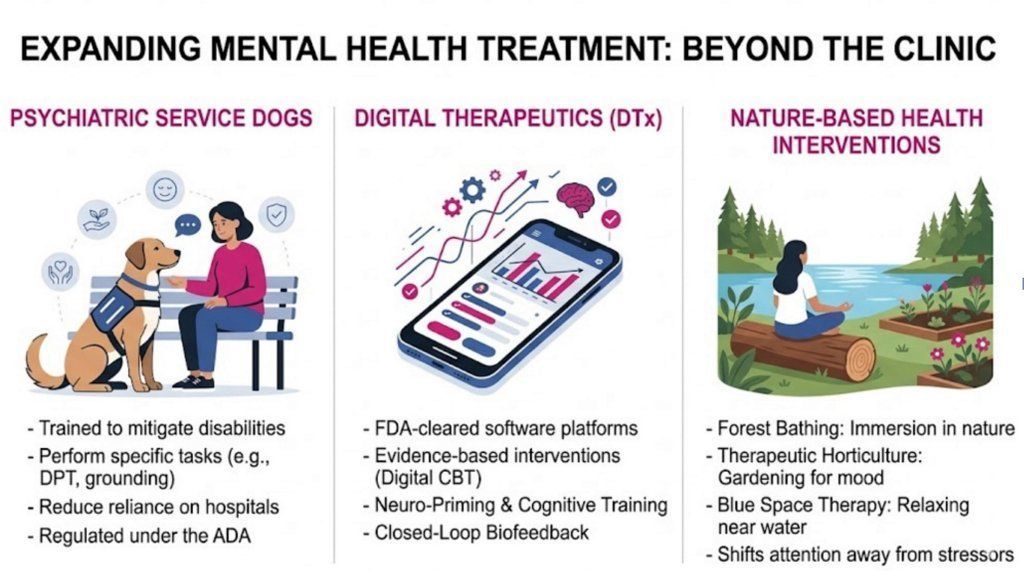
Psychiatric service dogs (PSD) cater to individuals with mental health conditions. Their role is crucial in offering stability and emotional support. Training for PSDs may involve specific tasks to mitigate symptoms of conditions like depression or PTSD.
The cost of a psychiatric service dog usually falls between $20,000 and $30,000. This investment ensures the dog is adept in performing tasks such as:
- Interrupting self-harm behaviors
- Providing tactile grounding
- Alerting to medication needs
Their training addresses the psychological well-being of their handlers, which requires personalized techniques and time.
Service Dogs for Autism
Service dogs for autism provide remarkable support for individuals on the autism spectrum. They enhance safety and help with social interactions. Because of their specialized training, the cost can range from $20,000 to $40,000.
Key abilities of autism service dogs include:
- Tracking eloping behaviors
- Offering deep pressure therapy
- Facilitating social engagement
This personalized support demands extensive training, reflecting the complexity and commitment needed for effective outcomes.
Service Dogs for Anxiety and PTSD
For individuals with anxiety and PTSD, these service dogs play a vital role in alleviating distress. They support their handlers by offering reassurance and performing specific actions.
Training for these service dogs is thorough, often costing between $15,000 and $30,000. Their skillset encompasses tasks such as:
- Performing space-creating maneuvers in crowds
- Providing constant reassurance through pressure
- Recognizing and responding to anxiety attacks
These dogs are trained to understand psychological cues, ensuring timely intervention and relief for their handlers.
Each type of service dog is uniquely trained to match specific needs, underscoring the importance of choosing the right one. This process involves considering both financial investment and the potential life-enhancing benefits they provide.
Service Dog Training Cost: What to Expect
The cost of training a service dog is a significant factor in the overall expense. It varies widely based on the dog’s duties and the trainer’s expertise.
Training a service dog typically spans 18 to 24 months. This period ensures the dog is well-prepared for its role. The cost for this extended training ranges from $15,000 to $30,000.
Factors that influence training costs include:
- Trainer’s reputation and experience
- Complexity of tasks required
- Duration of training program
Experienced trainers, like those at the Service Dog School of America, provide tailored training. Customized programs can ensure the dog meets specific handler needs.
Two primary training stages influence costs:
- Basic Obedience Training
- Commands like sit, stay, and heel
- Socialization with people and other dogs
- Specialized Task Training
- Alerting to medical conditions
- Performing assistive tasks
On occasion, the cost of a service dog includes some post-placement support. This support ensures that the transition to the new handler is seamless.
Potential owners should also consider ongoing training. This can help maintain the dog’s skills throughout its service life.
Choosing a reputable trainer is crucial. Research trainers thoroughly to ensure your service dog receives the best preparation possible.
How Much Do Less Wealthy People Pay for Service Dogs?
Less wealthy individuals often face challenges affording a service dog. However, options exist to reduce costs significantly.
Discounted programs and sliding scale fees are available through some organizations. These can make service dogs more accessible to those with limited means.
Affordable options may include:
- Nonprofit organizations providing subsidies
- Charities offering grants or financial aid
- Community fundraisers specifically for service dog costs
A do-it-yourself approach is another viable option for some. Training a dog yourself can save money, but requires commitment and time.
Less costly service dogs might not come with extensive support. However, they can still be instrumental in improving quality of life.
An essential step is to explore various organizations and their offerings. This can lead to finding a feasible and affordable service dog solution.
The Truth About Fake Service Dogs and Low-Cost Options
Fake service dogs are a growing issue, often misleading those in need. They can be cheaper but lack true training.
Unscrupulous sellers offer low-cost options that seem appealing. However, these dogs typically lack the skills and temperament required for genuine service work.
Common signs of fake service dogs include:
- Inadequate training certification
- Mismatched behaviors in public spaces
- Unprofessional provider practices
Low-cost options can be tempting but often lack effectiveness. It’s crucial to differentiate between accredited and deceptive providers.
Investing in a properly trained service dog is essential for real assistance. These dogs provide stability and improve overall well-being.
Thorough research is vital to ensure you’re making a wise choice. Authentic service dogs may cost more but offer invaluable support.
Understanding the implications of fake service dogs safeguards you from wasted resources and unmet needs.
What the Wealthy Do: Customization, Speed, and Service
Wealthy individuals often approach service dog acquisition differently. They seek customization, faster processes, and premium service.
Customization plays a significant role. Tailored training programs cater to specific needs, whether medical or psychiatric.
Speed is another priority for those with means. Wealth often allows for expedited service, reducing long wait times significantly.
Premium service providers offer a range of exclusive benefits. These might include personalized consultations and ongoing support throughout the dog’s life.
Key aspects of what the wealthy prioritize include:
- Tailored training programs
- Expedited acquisition timelines
- Premium, ongoing support options
Understanding these options is invaluable even if they’re outside of one’s budget. The insight into customization and service can guide informed decisions.
Ultimately, investing in high-quality service dogs ensures reliability. It’s an approach focused on maximizing benefits and peace of mind.
Financial Assistance, Insurance, and Payment Plans
Getting financial help for a service dog can make a big difference. Some organizations offer scholarships or grants for those in need.
Insurance never pays for a service dog’s cost.
Payment plans are another option. Many service dog trainers offer flexible arrangements to spread out costs over time.
Research is key when seeking financial options. Being informed helps identify the most suitable resources available.
Consider these ways to manage costs:
- Grants or scholarships from non-profits
- Partial insurance coverage for specific conditions
- Monthly payment plans with service dog providers
- Tax deductions in certain cases
By exploring these options, potential owners can find a path to afford a service dog. These solutions make it more feasible to access the life-changing benefits of service dogs.
How to Choose a Trustworthy Service Dog Trainer
Finding a reputable service dog provider is vital. Trustworthiness ensures the dog is well-trained and fits your needs. Start by researching providers’ credentials. Check certifications and affiliations with professional organizations. Client reviews and testimonials offer insights into the provider’s reputation. Reach out to past clients if possible for direct feedback. Observe the training facility and staff interactions. A transparent and professional setting is a good sign. By carefully evaluating these aspects, you can choose a provider with confidence. A trustworthy provider, like the Service Dog School of America, will be committed to excellence and your satisfaction. This ensures your investment leads to a positive, life-enhancing outcome.
Spotlight: David Baron and Service Dog School of America
David Baron is a name synonymous with excellence in service dog training. With decades of experience, his reputation is unmatched.
The Service Dog School of America is Baron’s vision realized. It focuses on customized training for individuals with diverse needs.
Baron emphasizes quality and integrity in all training programs. This ensures clients receive dogs capable of truly improving their lives.
His approach combines compassion with expertise, ensuring each dog is uniquely suited to the owner’s needs.
Consider these highlights of the Service Dog School of America:
- Decades of industry-leading experience
- Customized training programs for individual needs
- Commitment to ethical training practices
- Proven track record of client satisfaction
- Holistic approach that blends canine well-being with effectiveness
Choosing David Baron’s Service Dog School offers unparalleled assurance of quality and dedication, enhancing the lives of clients seeking service dogs.
Frequently Asked Questions About Service Dog Cost
When planning for a service dog, clients often have several questions about costs. Here are some common inquiries addressed:
1. What is the average cost of a service dog?
Typically, service dogs cost between $45,000 and $100,000. This includes training, care, and preparatory assessments.
2. Why is the cost so high?
Training service dogs is a lengthy process. It involves specialized skills and personalized training tailored to the owner’s needs.
3. Are there cheaper options available?
Less costly options exist but may compromise the dog’s effectiveness. Low-cost providers might not follow stringent standards.
4. Can insurance cover a service dog?
Some insurance policies may cover part of the cost. This largely depends on the individual’s condition and policy specifics.
5. What expenses continue after getting the dog?
Ongoing costs include food, vet care, and equipment. It’s crucial to budget for these recurring expenses to ensure proper care.
Understanding these FAQs helps in making informed decisions. Researching thoroughly can ensure a smoother experience in acquiring a service dog.
Final Thoughts: Investing in Your Future with a Service Dog
Investing in a service dog means more than just a financial commitment. It’s about enhancing life quality and gaining independence. For many, a service dog provides emotional stability and a sense of security that cannot be quantified.
The emotional bond with a well-trained service dog is immeasurable. This companionship offers unconditional love and unwavering support. For those with disabilities, the peace of mind that a service dog brings is priceless.
While the upfront costs may seem daunting, the long-term benefits often outweigh initial expenses. A service dog can decrease healthcare costs, improve mental well-being, and increase productivity.
Consider these aspects when thinking about getting a service dog:
- Enhanced quality of life
- Emotional and physical support
- Increased independence and mobility
Ultimately, a service dog is an investment in a brighter, more fulfilling future. Proper research and selecting a trustworthy provider can aid in maximizing this profound investment.