How To Get My Elderly Parents A Service Animal
How To Get My Elderly Parents A Service Animal
Finding the right support for elderly parents is one of the most important responsibilities a family can undertake. A properly trained service animal can make a profound difference—restoring safety, independence, and companionship in ways nothing else can. These animals are not mere pets; they are partners, trained to perform tasks that meet the exact needs of older adults, from mobility support to medical alerts to emotional grounding.
When it comes to caring for elderly parents, details matter. Every individual has unique needs, and every service dog must be trained with precision to meet those needs. That’s why working with an expert matters. David Baron and the Service Dog School of America stand at the forefront of professional service dog training, providing custom-tailored solutions that consistently transform the lives of seniors and their families.
Why Service Animals Are Life-Changing for Elderly Parents
Aging can bring with it both physical and emotional challenges. Daily activities that once seemed simple may now require assistance. This is where a service animal becomes life-changing. These dogs are highly trained to provide support in ways that directly enhance safety, well-being, and independence.
Consider the impact in key areas:
- Mobility and Balance: Helping seniors walk steadily, avoid falls, or retrieve items from the ground.
- Medical Alerts: Detecting emergencies such as low blood sugar, seizures, or heart irregularities before they escalate.
- Emotional Health: Reducing isolation, providing constant companionship, and supporting seniors through anxiety or depression.
- Confidence and Dignity: Allowing seniors to live more independently with the assurance that help is always within reach.
For elderly parents who live alone, loneliness can be crushing. A service animal not only relieves that isolation but provides renewed purpose and daily joy. This bond improves both mental and physical health, creating stability in an otherwise unpredictable season of life.
Understanding the Types of Service Animals for Seniors
Service animals come in different forms, and understanding which type is best suited for your parents’ needs is essential. Each category provides unique, specialized support:
- Service Dogs: The most versatile choice. Trained to handle mobility, daily living tasks, and emotional support.
- Medical Alert Dogs: Trained to detect shifts in body chemistry and warn of issues such as seizures, diabetes-related changes, or cardiac irregularities.
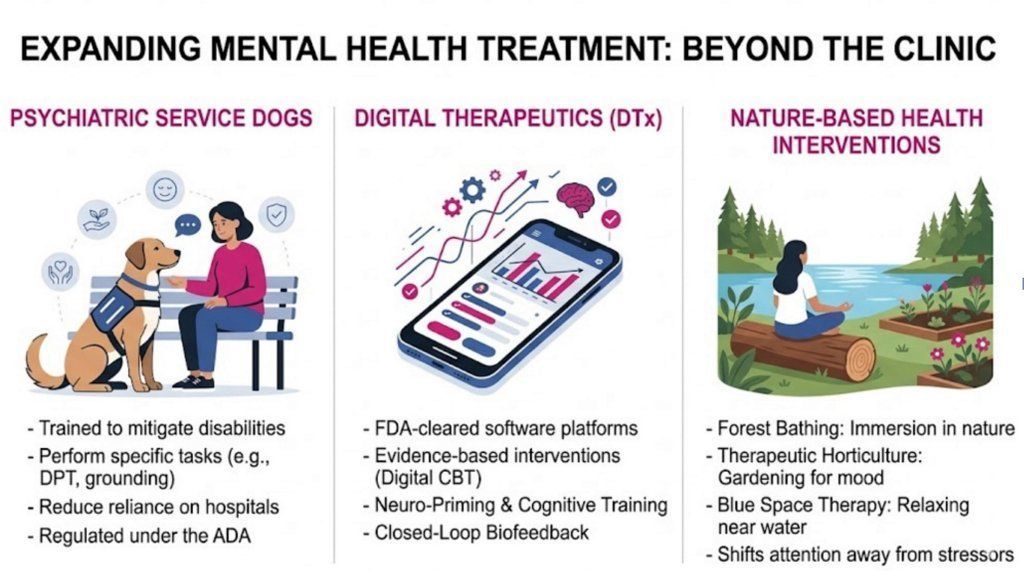
- Psychiatric Service Dogs: Designed for seniors struggling with anxiety, depression, PTSD, or dementia-related conditions.
- Emotional Support Animals (ESAs): While not legally recognized as service animals under ADA standards, ESAs provide critical companionship and comfort.
Choosing the right type requires professional assessment. Families who take the time to match the correct animal to their parents’ needs see the greatest improvements in safety and quality of life.
Key Benefits: Safety, Security, Independence, and Happiness
The advantages of a service animal for seniors are undeniable. Four benefits consistently stand out:
- Safety: Preventing falls, guiding through obstacles, and signaling medical emergencies.
- Security: Providing peace of mind at home and in public; their presence alone acts as a deterrent to potential threats.
- Independence: Performing tasks like opening doors, fetching medication, and reminding seniors of routines.
- Happiness: Offering companionship that lifts mood, relieves stress, and combats loneliness.
Beyond tasks and physical safety, the simple presence of a trusted animal provides seniors with a renewed sense of purpose and dignity. Service dogs help create routine, encourage social interaction, and keep their owners engaged in daily life.
Who Qualifies for a Service Animal? Medical and Psychiatric Needs Explained
The question of eligibility is important. According to the ADA, a service animal is defined as one trained to perform tasks directly related to a person’s disability. Many elderly parents qualify, provided they face conditions that significantly limit daily activities. These may include:
- Physical Disabilities: Arthritis, balance disorders, mobility impairments, or stroke recovery.
- Medical Needs: Diabetes, seizure disorders, cardiac conditions, or other chronic illnesses.
- Psychiatric Conditions: Anxiety, PTSD, depression, or dementia-related conditions.
A doctor’s recommendation and supporting medical documentation usually form part of the process. With these in place, families can confidently begin the search for a qualified service dog program.
The Process: How to Get a Service Animal for Your Elderly Parents
Securing a service animal requires a structured process. Families who follow these steps achieve the most reliable results:
- Needs Assessment: Evaluate your parents’ daily challenges with the help of medical professionals.
- Documentation: Gather medical records and doctor’s recommendations.
- Research: Identify accredited trainers and programs with proven track records.
- Consultation: Speak with professionals to determine compatibility between the service dog and your parents’ needs.
- Training Phase: Engage in a program where the dog is trained specifically for your parents’ conditions.
- Placement and Transition: Facilitate introductions and support the bond between your parents and their new service dog.
With guidance from trusted providers, the process becomes manageable, efficient, and rewarding.
Why Choose David Baron and Service Dog School of America?
Choosing the right trainer is the most critical decision in this journey. David Baron and the Service Dog School of America are distinguished by their nearly three decades of experience and unwavering commitment to excellence. Their programs focus on:
- Tailored Training: Each dog is trained to the specific requirements of its handler.
- Proven Expertise: Specialization in medical alert and psychiatric service dogs.
- Unmatched Transparency: Families are guided clearly at every stage of the process.
- Exclusive Service: High net worth clients receive efficient, streamlined training programs without long waiting lists.
Families who work with David Baron gain peace of mind knowing they are investing in proven quality, with service animals trained to the highest possible standard.
Service Dogs for Sale: What to Expect and How to Avoid Scams
The demand for service dogs has grown, and with it, the rise of fraudulent trainers. Protecting your family from scams is essential. Here’s what to expect from a legitimate provider:
- Full transparency about training methods, progress, and costs.
- Documented proof of task-specific training and certifications.
- Opportunities to visit facilities and meet trainers and dogs.
- Clear, consistent communication at every stage.
Scams often present themselves through unrealistically low pricing or vague claims. Remember: a properly trained service dog represents months of expert training and costs accordingly. With an investment this important, choose wisely .
The Personalized Approach: Tailoring the Right Dog to Your Parents’ Needs
No two seniors are alike. That is why personalization is the cornerstone of effective service dog training. Factors to consider include:
- Physical and medical requirements
- Emotional and psychological needs
- Personality compatibility between senior and dog
- Living environment, whether quiet residential or active urban
David Baron’s personalized programs ensure the service dog is matched in temperament, ability, and training to the handler’s unique lifestyle. This approach produces reliable, life-long partnerships.
The Investment: Cost, Value, and Why It’s the Right Thing to Do
A service dog is a serious financial investment. But for families with the means, it is one of the most meaningful investments they can ever make. The cost covers not just the dog, but months of specialized training, assessment, and support. In return, elderly parents gain:
- Safety and protection
- Emotional companionship
- Practical daily assistance
- Peace of mind for themselves and their families
This investment honors parents by giving them dignity, independence, and joy in their later years. For many, the value is immeasurable.
For High Net Worth Individuals and Those Who Don’t Qualify at Charities
Charitable programs often involve long waitlists and restrictive qualifications. For high net worth families, these barriers are unnecessary. Private service dog programs provide faster access, custom-tailored training, and results that align with the standards of those who demand the best.
- No waiting lists
- Complete customization of training
- Freedom to choose breed, temperament, and skillset
- Efficient service with proven outcomes
Investing privately ensures your parents receive a world-class service animal without compromise.
The Miracles: Real Stories of Elderly Parents Getting Their Lives Back
Across the country, stories abound of seniors whose lives were transformed by service dogs. Helen, once limited by severe arthritis, regained independence with Max, who retrieves items and provides balance support. John, overwhelmed by anxiety, found new courage to leave his home thanks to Daisy, his psychiatric service dog. Emily, a PTSD survivor, now participates in family gatherings again with the grounding presence of Buddy.
These stories are not exceptions—they are examples of what happens when families choose wisely and invest in expertly trained service dogs.
Frequently Asked Questions About Service Animals for Elderly Parents
What tasks can service animals perform? Mobility support, retrieving items, medication reminders, alerting to emergencies, and providing emotional stability.
Do elderly parents need a medical diagnosis? Yes. A doctor’s recommendation and documentation help establish eligibility.
Are service animals allowed in public? Yes. Under the ADA, trained service dogs have legal access to most public spaces.
How are they different from emotional support animals? Service dogs perform task-specific support, while ESAs provide comfort without task training.
What is the cost? Service dogs are a significant investment, reflecting the level of training and expertise involved.
Next Steps: How to Begin the Journey and Honor Your Parents
To begin, evaluate your parents’ specific needs and consult healthcare providers for recommendations. Then, research reputable service dog trainers like Service Dog School of America. Engage your parents in the decision, and plan financially for this life-changing step.
Checklist for next steps:
- Assess daily challenges and medical needs
- Gather documentation and recommendations
- Contact a trusted service dog provider
- Plan logistics and finances
This process honors your parents by empowering them to live with dignity, independence, and renewed joy.
Conclusion: Give Your Parents the Gift of Support, Love, and Independence
Providing your elderly parents with a service animal is not simply a gift—it is a profound act of love. These animals safeguard health, restore independence, and provide daily companionship. The result is a life lived with greater purpose, dignity, and peace of mind.
Through the expertise of David Baron and the Service Dog School of America , families can confidently invest in service dogs that deliver measurable, lasting results. For parents in their later years, few gifts are as meaningful as the loyal partnership of a world-class service animal.