How a Psychiatric Service Dog Can Support Someone Struggling With Suicidal Thoughts
Suicidal thoughts can feel frightening, isolating, and relentless. For some people, they arrive in brief waves. For others, they can become persistent, exhausting, and deeply disruptive to everyday life. At Service Dog School of America , we understand that when someone is living with severe depression, PTSD, anxiety, trauma, or other psychiatric conditions, the need for dependable support is not theoretical. It is immediate, personal, and often life changing.
A professionally trained psychiatric service dog can become an important part of that support system. These dogs are not a replacement for therapy, psychiatric care, medication, or crisis intervention. What they can do is provide highly trained, task-based assistance that helps reduce emotional escalation, interrupt harmful behavior patterns, reinforce routine, and create a stabilizing daily presence. For many individuals, that kind of consistent support can make a meaningful difference.
At Service Dog School of America, we train psychiatric service dogs for real-world work. That means our dogs are prepared to support individuals not only at home, but also in public environments, during travel, and throughout the demands of daily life. When properly matched and properly trained, a psychiatric service dog can help a handler feel safer, less isolated, and more grounded in moments of distress.
Understanding Suicidal Ideation and Why Support Matters
Suicidal ideation refers to thoughts about ending one’s life. These thoughts can range from passive feelings of hopelessness to more active and dangerous patterns of planning or self-harm risk. The emotional weight can interfere with sleep, concentration, relationships, work, school, and basic daily functioning.
Many people experiencing suicidal ideation also live with related conditions such as:
- Major depressive disorder
- Post traumatic stress disorder
- Severe anxiety or panic disorder
- Bipolar disorder
- Trauma-related disorders
- Other psychiatric conditions that significantly impair daily life
At Service Dog School of America, we believe it is important to speak clearly and responsibly about this topic. A service dog cannot cure a psychiatric disorder, and a dog should never be viewed as the only line of protection in a crisis. However, for the right person, a psychiatric service dog can offer structured, trained assistance that helps reduce isolation, increase routine, and interrupt moments of emotional escalation.
Common warning signs that someone may need a higher level of support can include withdrawing from loved ones, expressing hopelessness, feeling like a burden, dramatic mood changes, or struggling to maintain normal routines. Those signs should always be taken seriously.
What Is a Psychiatric Service Dog?
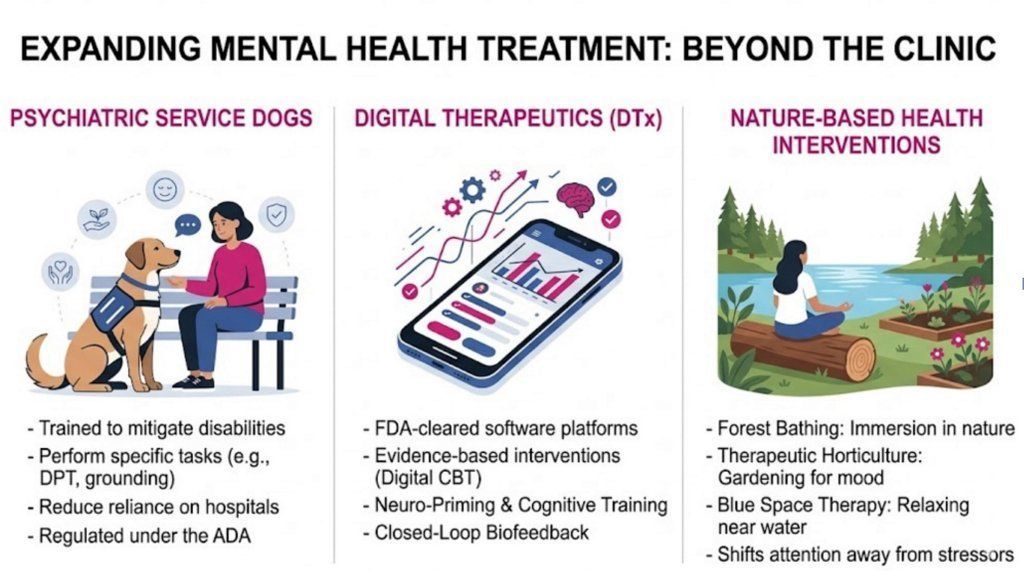
A psychiatric service dog is a dog individually trained to perform specific tasks for a person with a psychiatric disability. Under the Americans with Disabilities Act, a psychiatric service dog is not the same as an emotional support animal. A service dog must be trained to take action that directly helps mitigate the handler’s disability.
At Service Dog School of America, our psychiatric service dogs are trained to perform practical, reliable tasks tailored to each client’s needs. For individuals struggling with suicidal ideation, those tasks may support emotional regulation, reduce escalation, reinforce safety habits, and provide structured intervention during moments of psychiatric distress.
This distinction matters. Comfort alone does not make a dog a service dog. Task training does.
Can a Service Dog Stop Suicidal Ideation?
This question deserves an honest answer. A service dog cannot, by itself, “stop” suicidal ideation in the medical or clinical sense. Suicidal thoughts are serious mental health symptoms that require professional treatment and ongoing support. But a psychiatric service dog can help interrupt patterns, reduce isolation, support regulation, and create protective daily structure.
For some individuals, that support becomes profoundly meaningful. A dog can respond when distress rises, bring the handler back into the present moment, encourage movement and routine, and give the person a trained companion that is consistently there. That does not replace therapy or emergency care, but it can complement both in a powerful way.
At Service Dog School of America, we view psychiatric service dogs as part of a broader mental health plan. When combined with qualified mental health care, medication management when appropriate, family support, and safety planning, a service dog may help reduce the intensity and frequency of destabilizing moments.
Tasks a Psychiatric Service Dog Can Perform
A professionally trained psychiatric service dog can perform targeted tasks that help a handler during moments of emotional distress or mental health instability. These tasks are individualized, but several are especially relevant for people who struggle with suicidal ideation, severe depression, PTSD, or panic symptoms.
Interrupting Harmful Behavior Patterns
One of the most important tasks a psychiatric service dog can perform is interruption. A dog can be trained to paw, nudge, climb onto the handler, or persistently redirect attention when it detects or is cued that the handler is entering a dangerous emotional spiral or engaging in harmful behavior.
Deep Pressure Therapy
Many psychiatric service dogs are trained to provide deep pressure therapy , which involves applying steady body weight across the handler’s lap or torso. This can help reduce physiological arousal, slow escalation, and bring a person back into the present moment.
Medication Reminders and Routine Reinforcement
For some handlers, the dog can be trained to cue medication times, waking routines, or transitions in the day. That may sound simple, but routine can be critical for individuals whose mental health symptoms worsen when structure breaks down.
Guiding the Handler to Safety
A dog may be trained to guide the handler to an exit, bedroom, family member, or other safer location when a public or private environment becomes overwhelming.
Alerting Others or Seeking Help
In some cases, a psychiatric service dog may be trained to alert another household member or respond to a command sequence that helps the handler access support during a crisis moment.
Grounding Through Tactile Stimulation
Dogs can also provide repetitive grounding behaviors such as nudging, licking, or sustained contact that help interrupt dissociation, panic, or intrusive thinking patterns.
At Service Dog School of America, we tailor task training to the specific client rather than offering a one-size-fits-all approach.
Psychiatric Service Dogs vs. Emotional Support Animals
This distinction is essential. Emotional support animals can provide comfort through companionship, and that companionship can absolutely matter. But an emotional support animal is not a psychiatric service dog.
A psychiatric service dog is trained to perform disability-related tasks such as interrupting harmful behaviors, guiding a handler out of distressing situations, providing deep pressure therapy, or reinforcing medication routines. Because of that task training, psychiatric service dogs have public access rights under federal law .
Emotional support animals do not have the same public access rights, and they are not trained to perform the same structured interventions. For a person living with severe psychiatric symptoms, that difference can be substantial.
Who May Qualify for a Psychiatric Service Dog?
A psychiatric service dog is typically appropriate for a person whose mental health condition substantially limits one or more major life activities and whose symptoms can be mitigated by trained dog tasks.
Potential qualifying conditions may include:
- PTSD
- Severe depression
- Panic disorder
- Severe anxiety disorder
- Trauma-related psychiatric disability
- Other psychiatric conditions that significantly impair daily function
At Service Dog School of America, we work with clients who need substantial support, not just companionship. The goal is always to determine whether task-trained service dog work is an appropriate and beneficial fit.
Our Training Process at Service Dog School of America
Training a psychiatric service dog for this level of work requires experience, consistency, and exceptional temperament. At Service Dog School of America, our dogs are trained through a structured, professional process designed for reliability.
Careful Dog Selection
Not every dog is suited for psychiatric service work. We focus on dogs with the emotional steadiness, intelligence, resilience, and human focus required for this demanding role.
One Trainer, One Dog Method
Our dogs are trained using a one trainer, one dog model, which creates consistency and dependable skill development across the full training process.
Task-Specific Psychiatric Training
We train dogs for practical psychiatric tasks that are tailored to the individual handler’s condition, routines, and likely triggers.
Public Access Standards
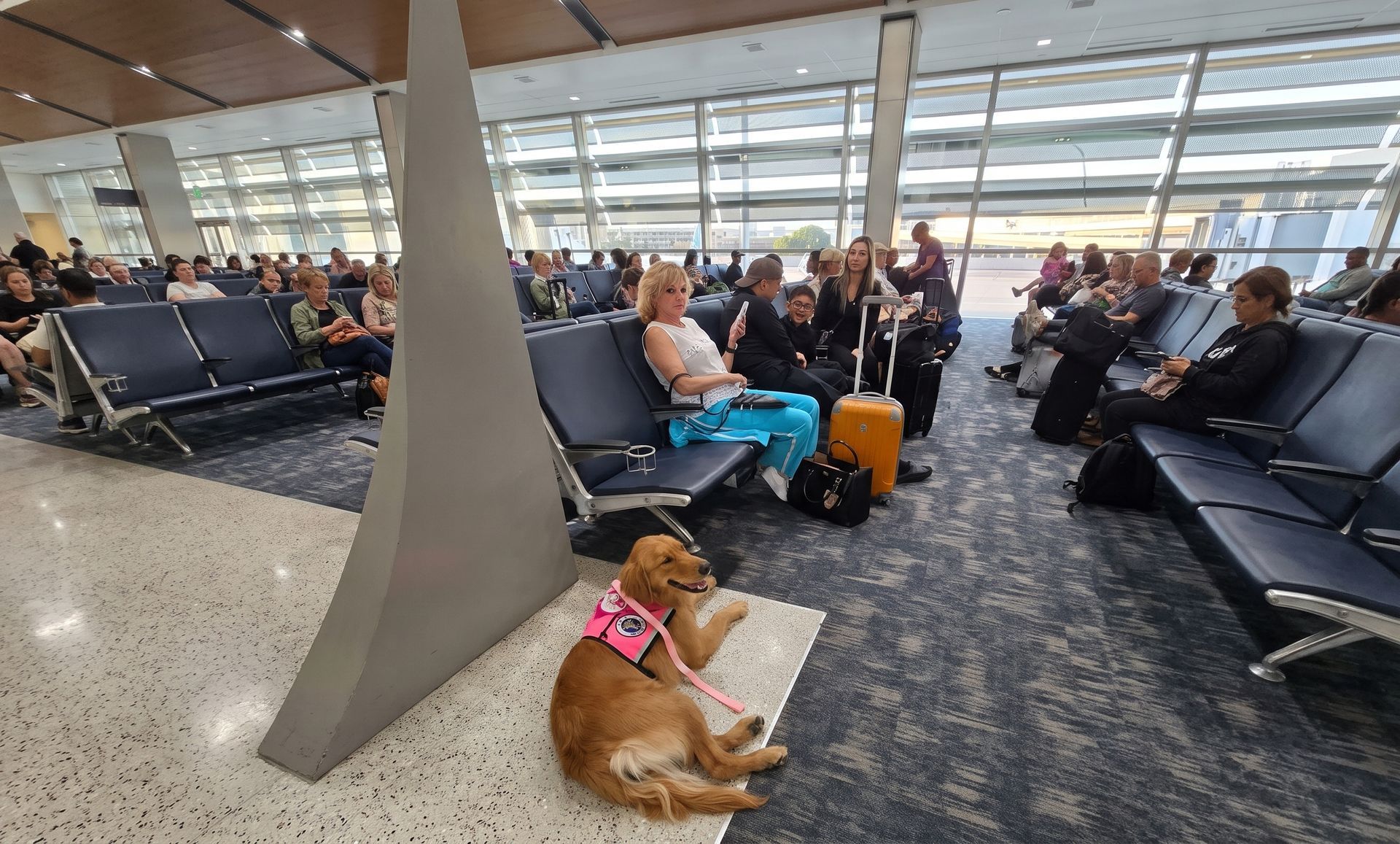
A psychiatric service dog must be able to function in real life, not just at home. That means calm behavior in stores, restaurants, airports, medical settings, and other public environments. Public access reliability is a core part of our training.
Client Integration and Ongoing Support
Placement is not the end of the process. We help ensure that the client understands how to work with the dog, maintain the training, and build a successful long-term partnership.
What Clients Can Expect Financially and Practically
A professionally trained psychiatric service dog is a significant investment because the process is extensive and specialized. Training, dog selection, public exposure, task shaping, and client support all require time and expertise.
At Service Dog School of America, clients should expect a serious professional commitment, both financially and personally. They should also expect clarity, honesty, and a dog trained for real performance, not vague promises.
Living successfully with a psychiatric service dog also requires ongoing care, including feeding, exercise, veterinary care, continued handling, and reinforcement of learned behaviors. A service dog can be transformative, but it is also a working partnership that must be maintained.
Why the Right Trainer Matters
When the stakes are this high, trainer experience matters. A poorly trained dog or a vague training model can create frustration and instability rather than support. Psychiatric service dog work requires more than affection for dogs. It requires deep understanding of behavior, disability-related tasks, public access standards, and how to build a reliable partnership around a person’s real daily needs.
At Service Dog School of America, we approach this work with seriousness, compassion, and professionalism. Our focus is not on generic support. Our focus is on task-trained service dogs that can truly help people function more safely and more independently.
A Service Dog Can Be Part of a Path Forward
A psychiatric service dog cannot replace therapy, medical care, or crisis support. It cannot single-handedly cure depression or eliminate suicidal thoughts. But for the right person, a professionally trained service dog can become a stabilizing force that interrupts harmful patterns, reinforces daily structure, reduces isolation, and helps create a stronger sense of safety and connection.
At Service Dog School of America, we believe in responsible, individualized service dog training that meets people where they are and supports them in real life. For individuals struggling with severe psychiatric symptoms, the right dog and the right training program can make a meaningful difference. Contact Service Dog School of America today .
If you or a loved one are exploring whether a psychiatric service dog may be appropriate, Service Dog School of America is here to help you understand the process, the expectations, and the possibilities. And if someone is in immediate danger or may act on suicidal thoughts, call 988 right away for immediate support .