Medical Service Dogs For Chronic Pain Fibromyalgia and EDS
Medical Service Dogs For Chronic Pain Fibromyalgia and EDS
Living with chronic pain can be overwhelming. Conditions like fibromyalgia and Ehlers-Danlos Syndrome (EDS) often bring daily challenges.
For many, these conditions lead to physical and emotional struggles. Pain can limit mobility and affect mental health.
Medical service dogs offer a unique solution. They provide support and companionship to those in need.
These dogs are trained to assist with specific tasks. They can help manage symptoms and improve quality of life.
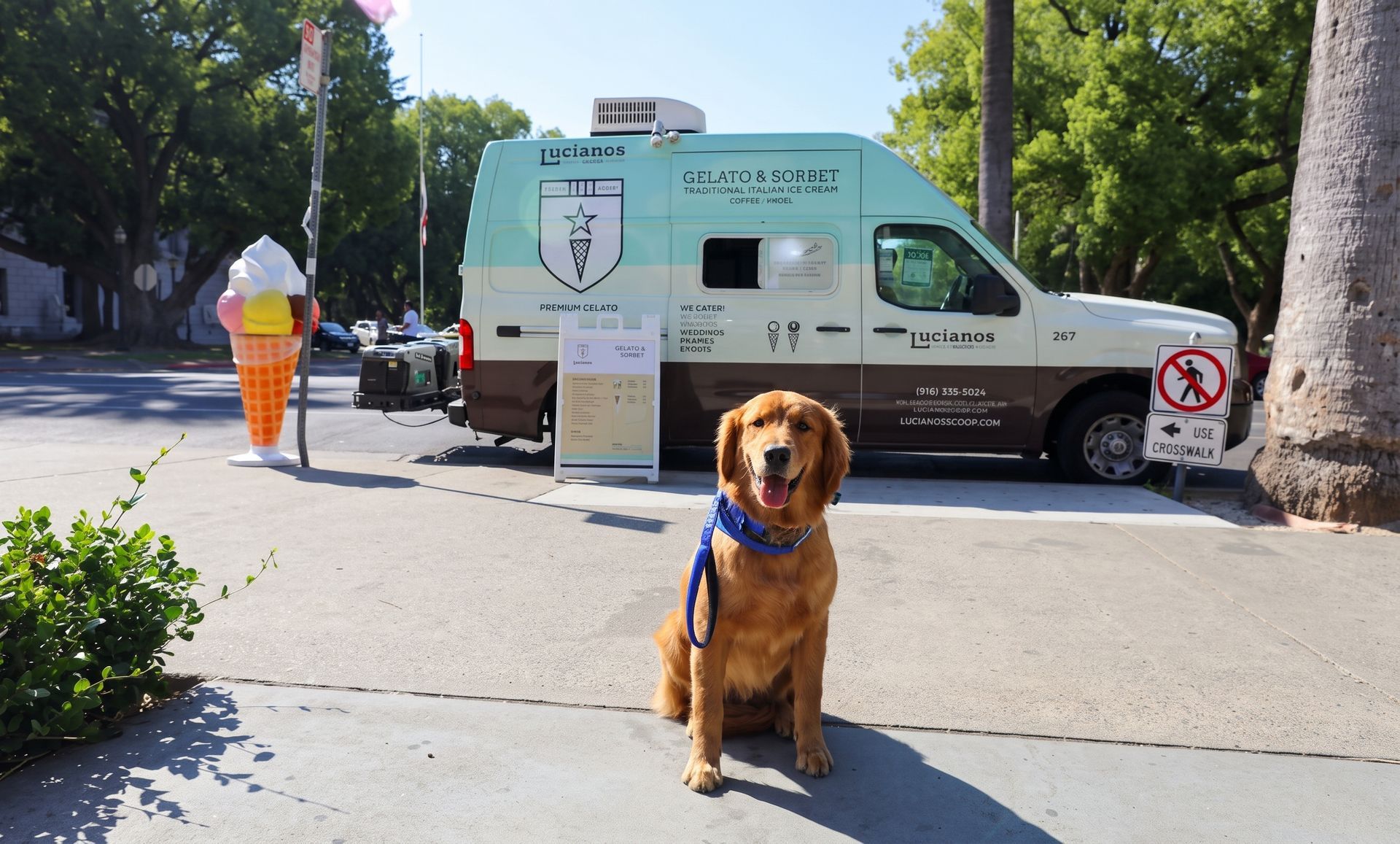
Golden Retrievers are a popular choice for service dogs. Their intelligence and temperament make them ideal companions.
The process of acquiring a service dog involves several steps. It includes application, assessment, and training phases.
David Baron and the Service Dog School of America are leaders in this field. They offer personalized training programs.
Their expertise ensures that each dog is well-suited to its handler’s needs. This partnership can transform lives.
Explore how a medical service dog can help you regain independence and find relief from chronic pain.
Understanding Chronic Pain: Fibromyalgia and Ehlers-Danlos Syndrome (EDS)
Chronic pain affects millions. It is often misunderstood and can be invisible to outsiders. Fibromyalgia and Ehlers-Danlos Syndrome (EDS) are two conditions where pain is a constant companion.
Fibromyalgia is characterized by widespread pain and tenderness. Individuals with fibromyalgia often experience fatigue and difficulty sleeping. The cause remains unclear, but it is thought to involve abnormal pain processing.
Ehlers-Danlos Syndrome (EDS) is a group of connective tissue disorders. It leads to joint hypermobility, skin elasticity, and tissue fragility. People with EDS often experience chronic pain due to joint dislocations and other complications.
Despite their differences, fibromyalgia and EDS share some symptoms. These include:
- Persistent fatigue
- Sleep disturbances
- Difficulty concentrating, often called “fibro fog”
Living with these conditions can be isolating. Chronic pain affects mental health, leading to anxiety and depression. Individuals often face skepticism due to a lack of visible symptoms.
Understanding these conditions is crucial. Awareness and empathy are essential in supporting those affected. Medical service dogs can play a role here, offering both practical help and emotional support.
A holistic approach is often needed to manage these conditions. This includes medical treatment, lifestyle changes, and sometimes the inclusion of a service dog. Together, these measures can help individuals lead fuller, more comfortable lives.
The Role of Medical Service Dogs in Managing Chronic Pain
Medical service dogs can change lives. These trained animals provide crucial support for individuals with chronic pain. Their presence can bring both practical assistance and emotional comfort.
For those suffering from fibromyalgia and EDS, service dogs offer tangible help. They assist with everyday tasks that can be difficult due to pain. Simple activities become manageable with a service dog’s support.
Service dogs are trained to perform specific tasks. These might include:
- Retrieving dropped items
- Assisting with balance
- Providing physical support when needed
Beyond physical assistance, service dogs offer emotional benefits. Chronic pain often leads to feelings of isolation and anxiety. The companionship of a service dog can alleviate these emotional burdens.
In challenging situations, a service dog provides stability and routine. Their presence serves as a constant, supportive companion. This routine can be especially beneficial for maintaining a sense of normalcy.
Additionally, service dogs can alert handlers to medical changes. For example, they might detect a rise in anxiety or help with medication reminders. This proactive support is invaluable for individuals managing complex health needs.
In summary, the role of service dogs extends beyond mere assistance. They can transform the lives of those with chronic pain, offering independence and emotional support. Their value in managing chronic conditions like fibromyalgia and EDS is undeniable.
How Medical Service Dogs Help: Key Tasks and Benefits
Medical service dogs are more than just pets; they are trained partners. Their skills are specific and tailored to individual needs. This makes them invaluable to those with chronic pain conditions.
These dogs assist with a range of tasks that help manage symptoms. By performing specific duties, they improve daily life for their handlers. Each task addresses unique challenges brought on by chronic pain.
Some common tasks include:
- Fetching necessary items
- Opening and closing doors
- Providing counterbalance when walking
Beyond practical tasks, these dogs offer important emotional benefits. Handling chronic pain often results in mental health challenges. The presence of a service dog can mitigate these emotional difficulties.
Key emotional benefits include:
- Reducing feelings of loneliness
- Decreasing anxiety and stress
- Providing a comforting presence during flare-ups
Furthermore, service dogs alert their handlers to medical changes. They can sense shifts in mood or physical health. This awareness allows for early intervention and self-care.
Trained to recognize stress or fatigue, these dogs can nudge their handler. They serve as reminders to take breaks and rest. This ensures that the individual doesn’t push beyond their limits.
Service dogs also help maintain a regular routine. This consistency is crucial for managing chronic conditions effectively. Regular habits and schedules often lead to improved well-being.
The bond between service dogs and their handlers is profound. This relationship enhances both physical and emotional health. It offers a supportive network that enriches the lives of those with chronic pain.
In conclusion, medical service dogs provide key tasks and benefits. They significantly improve the quality of life for individuals with conditions like fibromyalgia and EDS. Their role in fostering independence and stability is unmatched.
Why Golden Retrievers Make Excellent Service Dogs
Golden Retrievers are renowned for their suitability as service dogs. Their temperament and intelligence stand out. These traits make them ideal for assisting individuals with chronic pain conditions.
Their friendly and patient nature is unmatched. Golden Retrievers are gentle and intuitive. This makes them easy to train for specific service tasks, enhancing their effectiveness.
Key attributes of Golden Retrievers that contribute to their success include:
- Intelligence and quick learning ability
- Eagerness to please and work diligently
- Calm demeanor in various environments
Their trainability is another major advantage. Golden Retrievers are quick to pick up complex commands. This adaptability is critical for tasks that require precision and reliability.
Furthermore, their loyalty and dedication strengthen the bond with their handlers. Golden Retrievers provide consistent companionship and support. This connection boosts emotional well-being for those they serve.
In summary, Golden Retrievers excel as service dogs due to their intelligence and friendly nature. Their adaptability and dedication ensure they meet the unique needs of individuals with chronic pain, providing both practical support and emotional comfort.
The Process: How to Apply for a Service Dog for Chronic Pain
Applying for a medical service dog is a structured process. It involves several key steps to ensure the perfect match. Here’s how to get started.
First, gather your medical documentation. This should outline your chronic pain condition. Input from your medical doctor can substantiate your need.
Next, research reputable service dog providers. The Service Dog School of America is highly regarded. David Baron offers tailored training programs for your specific needs.
Reach out to providers to understand their application process. Most require a formal application. You’ll need to describe your condition and why a service dog would help.
The evaluation stage follows. Providers assess your daily needs and environment. This assessment ensures the service dog can effectively aid you.
Once approved, providers will match you with a dog in training. This phase includes an introduction session. It’s crucial for establishing a bond and understanding mutual compatibility.
Training involves both the dog and you. Handlers are taught how to work together. This collaboration ensures effective communication and support.
Finally, ongoing support is essential. Reputable providers offer continuous training updates. This ensures that both you and your service dog thrive together over time.
What to Expect: Training and Matching with Your Service Dog
Embarking on the journey with a service dog entails a comprehensive training process. Each step is crucial for a successful partnership.
Training involves socialization, obedience, and task performance. Every skill taught is essential. The aim is to ensure your service dog is reliable and attentive.
The matching process is personalized. Your lifestyle, daily tasks, and needs are considered. This ensures that the chosen dog complements your lifestyle perfectly.
Expect a mutual learning experience. Both handler and dog will adapt. You’ll establish effective communication techniques for seamless interaction.
Here’s what the training covers:
- Basic obedience commands
- Specific medical alert tasks
- Socialization in public settings
- Handler-dog communication techniques
Sessions focus on real-life scenarios. You’ll practice commands like “fetch” or “brace.” These are designed to aid physical tasks and provide support.
Training can be emotionally rewarding but also challenging. Patience and commitment are essential. Both contribute greatly to developing a strong bond with your dog.
Ongoing training updates are offered. This support ensures you and your service dog grow together. Knowledge gained during these sessions enhances your partnership’s longevity.
Medical Service Dogs for Fibromyalgia: Real-Life Impact
Fibromyalgia, with its widespread pain and fatigue, presents daily challenges. A medical service dog can offer both physical assistance and emotional support.
These dogs are trained to perform tasks that ease fibromyalgia symptoms. They can retrieve medication, offer balance support, or provide a comforting presence.
The impact of having a service dog includes increased mobility and independence. Less reliance on others often leads to improved confidence in public settings.
Real-life testimonials highlight the profound benefits these dogs provide. Many individuals report feeling safer and more secure, reducing anxiety and isolation.
Key roles of a service dog for fibromyalgia include:
- Fetching items to reduce strain
- Providing balance and stability during movement
- Offering companionship to alleviate loneliness
- Alerting to medication schedules
Service dogs can also sense changes in their handler’s physical state. For instance, they may detect a flare-up, prompting rest. This proactive approach enhances overall well-being.
By aiding in daily activities, service dogs enable more consistent participation in life’s events. This improvement in functional capacity is invaluable for anyone battling fibromyalgia.
Overall, the presence of a medical service dog can transform daily life. Providing a faithful companion, they deliver both practical help and unconditional love.
Medical Service Dogs for Ehlers-Danlos Syndrome (EDS): Unique Needs and Solutions
Ehlers-Danlos Syndrome (EDS) poses distinct challenges due to its impact on connective tissues. Individuals with EDS often experience joint pain and instability.
Medical service dogs offer tailored solutions for those living with EDS. They are trained to perform specific tasks to enhance daily functioning.
Mobility support is a primary focus for service dogs assisting with EDS. These dogs provide physical support that helps manage joint instability.
They can also help by retrieving items, thus reducing the risk of injury from bending or stretching. This lessens the strain on vulnerable joints.
Service dogs for EDS offer several supportive roles:
- Providing counterbalance during ambulation
- Assisting with seated to standing transitions
- Fetching dropped items to prevent overextension
- Offering comfort to reduce stress-induced symptoms
The relationship between a service dog and an EDS patient often leads to improved quality of life. These dogs encourage activity, which is vital for managing symptoms.
Their presence alleviates daily burdens, fostering a greater sense of independence. Many people with EDS find these dogs to be an essential part of their care team.
Ultimately, service dogs provide critical assistance, empowering individuals with EDS to navigate life’s challenges more effectively. They are not just support animals; they are companions who can significantly enhance well-being.
The Importance of Working with a Medical Doctor and Service Dog Experts
Collaborating with a medical doctor is crucial when considering a medical service dog. They help assess your specific needs and provide necessary documentation.
Your doctor’s input ensures the chosen service dog tasks align with your health goals. This partnership strengthens the process.
Service dog experts like David Baron provide insights on selecting and training the right dog for you. Their expertise is essential for a successful match.
Together, doctors and service dog trainers create a support system addressing your unique challenges. This team approach ensures your service dog effectively meets your needs.
Key reasons to work with professionals include:
- Accurate assessment of chronic pain needs
- Proper documentation to support a service dog application
- Expertise in selecting suitable service dogs
- Assurance of personalized training plans
By working with dedicated professionals, you enhance the effectiveness of your service dog. This collaboration ultimately leads to improved quality of life. It fosters a comprehensive care approach tailored to individual needs.
Why Trust Service Dog School of America and David Baron
Trust in service dog providers is non-negotiable. The Service Dog School of America, led by David Baron, stands out in this field. With nearly three decades of experience, David ensures top-tier training.
His focus on medical and psychiatric service dogs over the last nine years demonstrates a commitment to specialized needs. This dedication results in highly effective service dogs tailored to individual requirements.
The personalized training approach at the Service Dog School of America meets specific client needs. David’s training philosophy emphasizes the bond between dog and handler, crucial for success.
Clients appreciate the ethical training practices upheld by David and his team. Their dedication to both dogs and handlers creates an environment of trust and care.
Reasons to choose Service Dog School of America include:
- Decades of experience in service dog training
- Specialized focus on medical and psychiatric service dogs
- Ethical and personalized training practices
- Commitment to client satisfaction and ongoing support
Your partnership with the Service Dog School of America ensures a reliable and effective service dog suited to your chronic pain management needs.
Frequently Asked Questions About Medical Service Dogs for Chronic Pain
Many people have questions about medical service dogs. Below are answers to some common questions regarding these invaluable animals.
What are medical service dogs?
Medical service dogs are trained to assist individuals with chronic health conditions. They provide physical and emotional support.
How do they help with chronic pain?
Service dogs perform tasks like retrieving medications or providing balance support. They also offer companionship and emotional comfort.
Can they really make a difference?
Yes, service dogs can significantly enhance the quality of life. They help individuals feel more secure and independent.
How do I get a service dog?
Contact a reputable provider to apply. You’ll need to meet certain criteria and undergo an assessment.
What breeds are commonly used?
Breeds like Golden Retrievers are favored for their temperament and intelligence. They are excellent companions and adept service animals.
Here are a few questions people often ask:
- How long does training take?
- Can any dog be a service dog?
- Are service dogs covered by insurance?
- Is there ongoing support post-placement?
- Do I need medical documentation to apply?
These questions highlight the essential knowledge for those considering a service dog for chronic pain. Understanding these aspects can guide your decision to apply for a service dog.
How to Get Started: Next Steps and Resources
Starting your journey to obtain a medical service dog can feel overwhelming. However, breaking it into manageable steps simplifies the process. The key is to get started and stay informed.
First, consult a medical doctor to discuss your needs. A medical professional can provide valuable insights and documentation, crucial for applying for a service dog. With their support, your case becomes stronger.
Next, research reputable service dog providers. Look for those with experience, like the Service Dog School of America. This ensures you receive a well-trained, reliable dog tailored to your needs.
Finally, gather essential information and resources:
- Consult your medical doctor for documentation.
- Choose a reputable service dog provider.
- Understand the application and training process.
- Explore financial aid or funding options.
- Join support groups for service dog handlers.
By following these steps and utilizing available resources, you position yourself for success. Your journey to enhance your life with a service dog is an important one. Starting with the right foundation ensures a smoother path forward.
Conclusion: Regain Your Life with a Medical Service Dog
Living with chronic pain like fibromyalgia or EDS can be challenging. A medical service dog offers a lifeline, assisting you daily. These dogs help manage pain, reduce anxiety, and provide comfort.
A medical service dog allows for greater independence and stability. They enhance your quality of life, reducing the burden of daily tasks. The bond formed with these dogs is profound and transformative.
As you consider this option, remember the importance of choosing a reputable provider. Trust in professionals like David Baron at the Service Dog School of America. They ensure your service dog’s training is tailored to your unique needs.
Here’s a brief checklist to get started:
- Consult with a medical doctor.
- Research experienced service dog providers.
- Apply for your service dog.
- Prepare for training and adjustments.
- Embrace the life-changing benefits.
With the right support, a medical service dog helps you regain control and enjoy life more fully.