Will A Psychiatric Service Dog Stop My Depression?
Will A Psychiatric Service Dog Stop My Depression?
Depression can feel like a heavy weight, making daily life a struggle. Many people seek ways to manage this condition. One option gaining attention is the use of psychiatric service dogs (PSDs).
These specially trained dogs offer more than companionship. They perform tasks that can help alleviate symptoms of depression. From providing tactile stimulation to interrupting harmful behaviors, PSDs are trained to support mental health.
The presence of a PSD can bring comfort and reduce feelings of isolation. They can also encourage social interaction, which is often challenging for those with depression. The bond between a handler and their PSD can be life-changing.
David Baron, a leading expert in service dog training, emphasizes the importance of tailored training. His Service Dog School of America specializes in creating PSDs that meet individual needs. This personalized approach ensures that each dog is equipped to support their handler effectively.
Understanding how PSDs work is crucial for those considering this option. This article will explore the benefits, training process, and how to acquire a PSD. With the right guidance, a PSD can be a valuable ally in managing depression.
Understanding Depression and Its Impact
Depression is a complex mental health disorder affecting millions globally. It presents with persistent sadness, fatigue, and lack of interest in activities.
This condition can impact various aspects of an individual’s life. Relationships may suffer, job performance can decrease, and maintaining daily routines becomes difficult. Depression is not just feeling sad; it’s a severe disorder needing attention and care.
Symptoms of depression vary widely. Common symptoms include:
- Persistent sadness or low mood
- Loss of interest in once-enjoyed activities
- Significant weight changes or appetite issues
- Sleep disturbances
- Fatigue or low energy levels
- Difficulty concentrating
- Feelings of worthlessness or guilt
- Thoughts of death or suicide
The impact of depression extends beyond the individual. Families, workplaces, and communities also feel the strain. Supporting someone with depression involves understanding its pervasive nature.
Mental health specialists often recommend a combination of treatments. Therapy, medication, and lifestyle changes are common components. However, integrating alternative support systems can be beneficial, too.
A psychiatric service dog is one such support. It can complement traditional treatments. By offering emotional and practical support, PSDs provide a unique form of assistance.
Understanding depression is the first step in managing it. Educating oneself about its impact helps in seeking effective solutions. Acknowledging the challenges is crucial to finding a path to improvement.
What Is a Psychiatric Service Dog (PSD)?
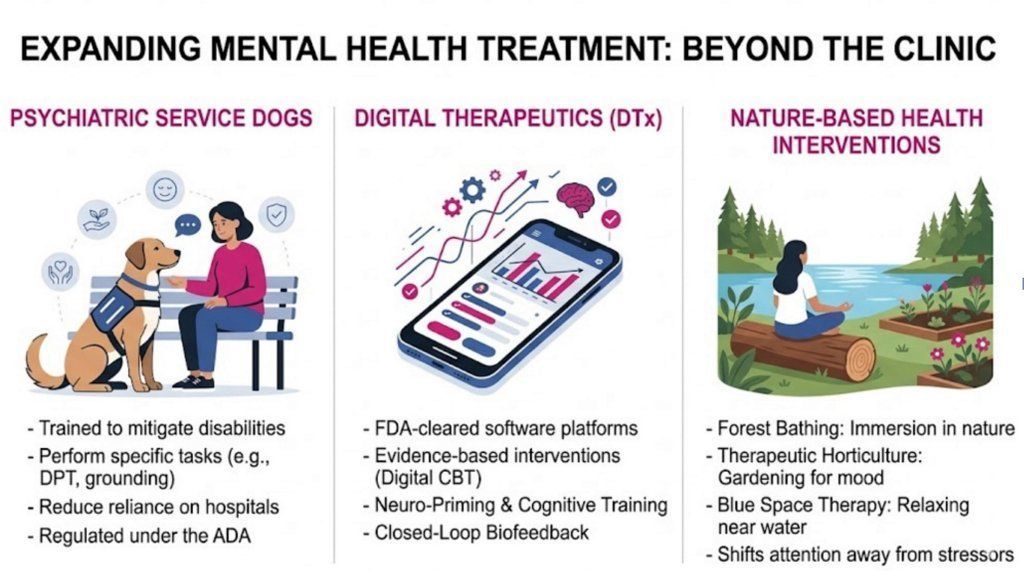
A Psychiatric Service Dog (PSD) is a specially trained animal. Its role is to assist individuals with mental health disorders. These disorders include depression, anxiety, PTSD, and more.
PSDs are different from emotional support animals. Unlike emotional support animals, PSDs are trained to perform specific tasks. These tasks directly mitigate the symptoms of the handler’s mental health condition.
Some tasks a PSD might perform include:
- Reminding the handler to take medication
- Providing tactile stimulation during anxiety attacks
- Interrupting harmful or obsessive behaviors
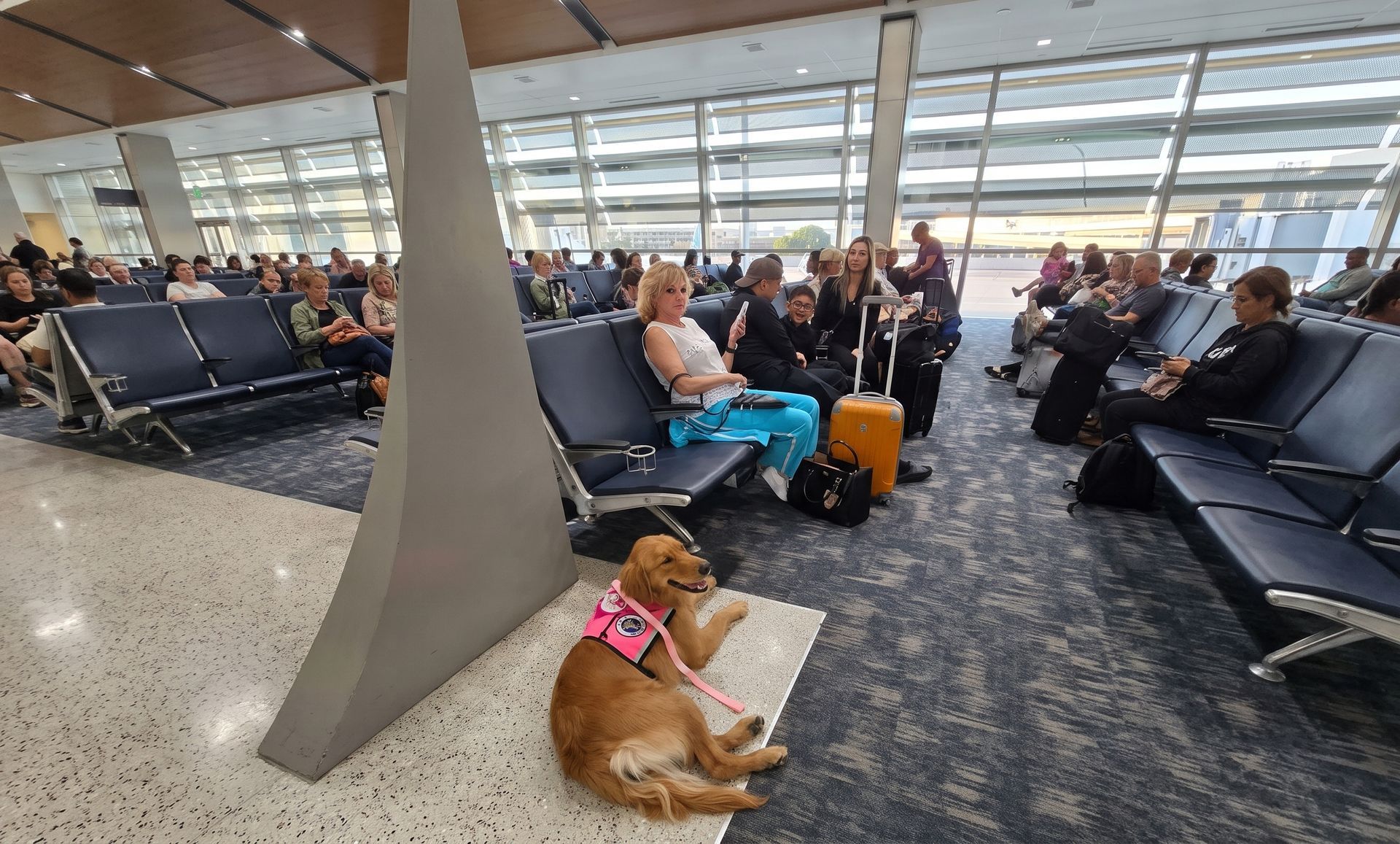
- Creating a buffer in crowded spaces
- Alerting to mood changes
PSDs are considered service animals under the Americans with Disabilities Act (ADA). This classification grants them access to public places, similar to guide dogs for the visually impaired.
The training process for a PSD is rigorous. It involves socialization, obedience, and task-specific training tailored to the handler’s needs. An experienced trainer ensures the dog can reliably perform tasks necessary for their handler.
Choosing the right PSD involves understanding personal needs and lifestyle. A proper match enhances the effectiveness of the PSD’s support. This support can provide the handler with greater independence and peace of mind.
How Psychiatric Service Dogs Help With Depression
Psychiatric Service Dogs (PSDs) play a vital role in managing depression. They are trained to assist with both emotional and practical needs. A well-trained PSD can bring noticeable changes in the life of someone with depression.
Firstly, PSDs offer a constant, non-judgmental presence. This companionship alone can lift spirits and provide comfort during difficult times. Feeling less isolated is a significant benefit for those with depression.
A PSD is trained to perform specific tasks to support mental health. For instance, the dog might remind its handler to take medication. Medication is crucial for individuals managing depression effectively.
During moments of high stress, a PSD can provide tactile comfort. This might include nudging the handler or applying gentle pressure. Such actions can significantly reduce anxiety.
PSDs can also interrupt negative behaviors. If the handler begins to show signs of distress, the PSD can step in. For example, a dog might nudge its handler to distract from harmful thoughts.
Interaction with a PSD encourages socialization. Engaging with the dog requires going outside and interacting with the world. This increased interaction can lead to improved mood and reduced depressive episodes.
The presence of a PSD can also foster a sense of security. Knowing the dog is trained to help in emergencies provides peace of mind. This reassurance can alleviate feelings of helplessness associated with depression.
Having a PSD introduces structure and routine to a handler’s life. Caring for a dog requires daily activities, such as feeding and walking. This routine encourages activity, which is beneficial for mental health.
A PSD’s constant companionship offers emotional warmth and security. The bond formed can motivate individuals to engage positively with their environment. This improved engagement can lead to a more fulfilling life.
For those struggling with depression, the support of a PSD offers both practical and emotional relief. By fostering greater engagement with the world, a PSD can help combat feelings of hopelessness. Overall, the partnership can serve as a crucial step towards recovery.
Common Tasks Performed by Psychiatric Service Dogs for Depression
Psychiatric Service Dogs (PSDs) are trained to help individuals with depression through specific tasks. These tasks are designed to assist with both mental well-being and daily living. Each task targets different aspects of depression management.
One of the most valuable tasks a PSD performs is medication reminders. A PSD can alert its handler when it’s time to take medication. This helps ensure compliance with treatment plans.
Another task includes providing sensory input through deep pressure therapy. When a handler experiences anxiety or panic, a PSD can apply calming pressure. This tactile stimulation can help reduce stress levels.
PSD handlers often benefit from tactile distractions during stressful moments. A PSD may nudge or paw at the handler when signs of distress appear. This interruption can prevent escalation of negative emotions.
PSDs also perform retrieval tasks that can be critical. These dogs can fetch items such as water, a phone, or emergency contacts. It ensures the handler has easy access to necessary items during a crisis.
Monitoring emotional cues is another crucial task. PSDs are trained to detect changes in behavior that may signal distress. By responding quickly, they help prevent emotional spirals.
In public settings, PSDs can offer grounding by blocking or creating space around the handler. This task provides a buffer against overwhelming environments. It allows the handler to navigate crowds with less anxiety.
Another essential role is waking handlers from sleep interruptions. If a person is experiencing nightmares or disturbances, the PSD can gently wake them. This intervention helps manage nighttime anxiety and improves sleep quality.
PSDs remind handlers to practice self-care routines. Regular activities like exercising or taking breaks can be encouraged by the dog. These self-care prompts are vital in maintaining a balanced life.
Providing gentle reminders to cease harmful behaviors is another task. A PSD’s presence can serve as a distraction from destructive thoughts. These interventions are key to managing day-to-day challenges.
Overall, each task a PSD performs is intentional and beneficial. By executing these tasks, PSDs play a supportive role in enhancing their handler’s quality of life.
Emotional and Practical Benefits of a PSD
The emotional support offered by a Psychiatric Service Dog (PSD) is profound. Companionship from a PSD can significantly mitigate feelings of loneliness. Their unwavering presence offers comfort on the darkest days.
A PSD promotes the development of a stable routine. Establishing daily routines is essential for managing depression. Dogs thrive on routine, encouraging their owners to maintain healthy habits.
Interaction with a PSD can boost the release of mood-enhancing chemicals like oxytocin. This biological response can foster a sense of well-being. Studies show that this interaction helps reduce anxiety levels.
Being responsible for a PSD builds self-worth and confidence. The act of caring for a dog can instill a greater sense of purpose. It gives handlers a tangible reminder of their capabilities.
Practical benefits include assistance with everyday tasks. From fetching objects to providing help during emergencies, PSDs enhance daily living. These tasks offer empowerment and independence to their handlers.
A PSD can facilitate social interactions, lessening isolation. Dogs serve as natural conversation starters in social settings. This interaction can gradually ease social anxiety in their handlers.
Together, these emotional and practical benefits of PSDs significantly enhance life quality for those struggling with depression. Through their supportive role, PSDs promote healing and self-growth.
The Science: Can a Psychiatric Service Dog Stop Depression?
Understanding the impact of psychiatric service dogs (PSDs) on depression involves examining scientific studies. While PSDs may not completely “stop” depression, they play a significant role in alleviating its symptoms.
Research suggests that spending time with a dog can lower cortisol levels. Cortisol is commonly known as the “stress hormone.” Lower levels are associated with reduced stress and anxiety.
PSDs offer tactile comfort, which is an effective tool in anxiety reduction. The physical presence of a well-trained dog can provide grounding during panic attacks. This aids in managing overwhelming emotions.
Scientific studies highlight enhanced dopamine and serotonin levels due to human-canine interaction. These neurotransmitters contribute to feelings of happiness and contentment. Regular interaction with a PSD can elevate these mood-boosting chemicals.
Individuals with PSDs often report improved social functioning. Dogs encourage their handlers to engage with the world. This interaction can counter isolation, a common aspect of depression.
Further, dog ownership imposes a structured daily routine. Studies show that maintaining a consistent routine can improve mental health. This routine promotes healthier lifestyle choices and regular activities.
The act of training and bonding with a dog enriches the human-pet connection. This bond has proven therapeutic value. It instills a sense of security and love in the handler.
In conclusion, while PSDs don’t “cure” depression, they support management strategies. Through social, emotional, and physiological avenues, PSDs significantly alleviate the burden of depressive disorders.
Who Qualifies for a Psychiatric Service Dog?
Not everyone with depression may qualify for a psychiatric service dog (PSD). Qualification requires meeting specific criteria. Primarily, these dogs serve individuals diagnosed with a mental health disability.
Eligibility often hinges on severity. The mental health condition should significantly impact daily functioning. Individuals should find conventional treatments insufficient on their own.
A licensed mental health professional typically evaluates potential candidates. This professional provides documentation or recommendations supporting the need for a PSD. The documentation is crucial in confirming eligibility.
People with co-occurring disorders may also qualify. This includes conditions like PTSD or anxiety alongside depression. These co-existing challenges can further justify the need for a PSD.
Qualifying tasks a PSD can perform are vital too. The dog must perform specific tasks that directly mitigate the handler’s disability. Without these tasks, a pet dog does not qualify as a service dog.
Potential candidates should start by consulting medical professionals. They must discuss whether a PSD is a suitable option. Then, suitable candidates can approach reputable training schools.
The Process: How to Get a Psychiatric Service Dog for Depression
Getting a psychiatric service dog involves several careful steps. Each step ensures that the PSD can effectively support the individual’s unique mental health needs.
Start by consulting a mental health professional. Their evaluation is crucial in determining if a PSD is right for you. Obtain a formal recommendation or documentation from them.
Once you have your documentation, research reputable training programs. Consider programs like the Service Dog School of America. David Baron’s expertise in training PSDs is widely recognized.
During this phase, it’s essential to assess various programs. Look for trainers with specific experience in psychiatric service dogs. Experience matters greatly when tailoring a dog’s training to individual needs.
Consider the cost and investment required. Training PSDs is an intensive, resource-heavy process, but the benefits can be life-changing. Evaluate your budget and financial readiness.
Next, prepare for the application and selection process. Programs may have specific criteria for selecting suitable candidates and dogs. Your commitment will be evaluated.
Upon acceptance, collaborate closely with the trainers. Understand the roles of both the trainer and yourself in the training process. Active participation enhances outcomes.
The final phase involves integration. The dog learns to adapt to your lifestyle and needs. With professional guidance, integration becomes smoother.
This process, although lengthy, is crucial. It ensures that your future PSD is equipped to provide the necessary support. Time and effort now lead to transformative benefits later.
Why Choose Service Dog School of America and David Baron?
Choosing the right training program for your psychiatric service dog is crucial. The Service Dog School of America stands out as a premier institution. They specialize in tailoring training programs to individual needs.
David Baron, the expert behind the school, brings decades of experience. His focus is on medical and psychiatric service dogs. He has built a reputation for excellence and trust.
The school emphasizes personalized training. Every client receives a program designed around their specific requirements. This customization ensures that the service dogs meet unique mental health challenges.
David Baron’s approach is based on proven methods. His commitment to humane training techniques fosters trust and effective learning. Dogs from his program are well-prepared and reliable companions.
What sets the Service Dog School of America apart? Consider their dedication to quality, integrity, and client satisfaction. These elements are at the core of their operation.
Key Benefits of Choosing Service Dog School of America
- Individualized training plans for each client
- Decades of expertise in psychiatric service dog training
- Focus on humane and effective training methods
- Nationwide recognition for trusted service
- Commitment to quality and client satisfaction
Choosing this school means entrusting your mental health support to true professionals. Your journey with a PSD becomes significantly more effective with their guidance.
What to Expect: Training, Placement, and Life With a PSD
Bringing a psychiatric service dog (PSD) into your life is transformative. Initially, expect a detailed assessment of your needs. This assessment guides the training process.
The training begins with basic obedience. Your PSD learns commands crucial for daily life. Following this, the focus shifts to specific tasks related to your depression.
Training is rigorous but rewarding. Expect collaboration with trainers, ensuring your PSD meets precise requirements. Interaction with your dog strengthens understanding and trust.
Placement follows successful training. At this stage, the bond between you and your PSD deepens. Support from trainers continues even post-placement to ensure smooth integration.
Daily life with a PSD offers new stability. Your dog aids in managing emotional and practical challenges. They become a constant, supportive presence.
Adapting to life with a PSD takes time and patience. However, the benefits, like improved mental health and enhanced quality of life, are substantial. Expect positive shifts in your routine, mood, and outlook.
Key Aspects of Life With a PSD
- Ongoing collaboration with trainers
- Continuous support for you and your dog
- Integration of PSD into daily routines
Living with a PSD not only improves mental well-being but also enriches daily experiences. Over time, the bond you form enriches both your lives.
Legal Rights and Responsibilities of PSD Owners
Owning a psychiatric service dog (PSD) comes with specific rights. One major right is access to public spaces. PSDs are protected under the Americans with Disabilities Act (ADA).
Under the ADA, PSDs can accompany their handlers in most public areas. This includes restaurants, stores, and public transportation. However, it’s essential to understand the scope of these rights.
Responsibilities also accompany these rights. Owners must ensure their PSD is well-behaved in public settings. A trained and controlled dog reflects positively on both handler and animal.
Handlers should always carry verification documents. This helps prove their dog is a certified service animal. It’s also vital to respect the rules and regulations of different establishments.
Key Responsibilities of PSD Owners
- Ensure PSDs are well-trained and well-behaved
- Keep verification documents handy
- Follow rules of establishments
Understanding and respecting these legal aspects ensures a positive experience for both PSD handlers and the public. Proper conduct reinforces the value that PSDs bring into their handler’s lives.
Frequently Asked Questions About Psychiatric Service Dogs for Depression
You might wonder, “How do PSDs help with depression?” These dogs perform specific tasks, offering emotional support and companionship.
“Can any dog become a PSD?” Not quite. Dogs must undergo rigorous training to assist individuals effectively.
“Is there a breed better suited for PSD work?” Many breeds excel, but individual temperament matters most.
“How long does PSD training take?” Training duration varies. It typically lasts several months, depending on tasks needed.
“Are PSDs covered by insurance?” Usually, they aren’t. However, check with specific insurance providers for available support.
“Can PSDs live with other pets?” Yes, they can, with proper introduction and socialization.
“What’s the difference between a PSD and an emotional support animal (ESA)?” PSDs perform trained tasks, while ESAs provide general comfort.
Common Questions About PSDs
- How do PSDs help?
- Are certain breeds preferred?
- How does a PSD differ from an ESA?
Answers to these questions provide clarity, helping prospective owners make informed decisions about incorporating a PSD into their lives.
Is a Psychiatric Service Dog Right for You?
Deciding to welcome a psychiatric service dog into your life is significant. It requires careful consideration of your personal needs.
Evaluate your mental health status. Reflect on how a PSD could complement your treatment plan. Some individuals find immense relief.
Think about lifestyle adjustments. A PSD requires daily attention, care, and regular training to remain effective. Are you prepared?
Consider your environment. Living spaces and routines may need to adapt. Ensure these changes are feasible for you.
Questions to Ask Yourself
- Are you ready for the responsibility?
- Have you consulted with mental health professionals?
- Do you understand the commitment involved?
Ultimately, a PSD can offer invaluable companionship and practical assistance. However, success depends on readiness for this unique partnership. Consider these factors. Make an informed, thoughtful decision that aligns with your aspirations for a healthier, happier future.
Next Steps: How to Begin Your Journey With a PSD
Taking the first step towards acquiring a psychiatric service dog can be transformative. It’s crucial to start with thorough research.
Consult mental health professionals. They can help assess if a PSD aligns with your specific needs and treatment goals.
Find reputable service dog trainers. Consider the Service Dog School of America, led by expert David Baron, known for tailored training.
Steps to Consider
- Research potential trainers and programs.
- Consult with healthcare providers.
- Evaluate personal readiness for a PSD.
Gather information, seek advice, and explore your options carefully. Starting this journey thoughtfully will pave the way for a rewarding partnership with your future psychiatric service dog.