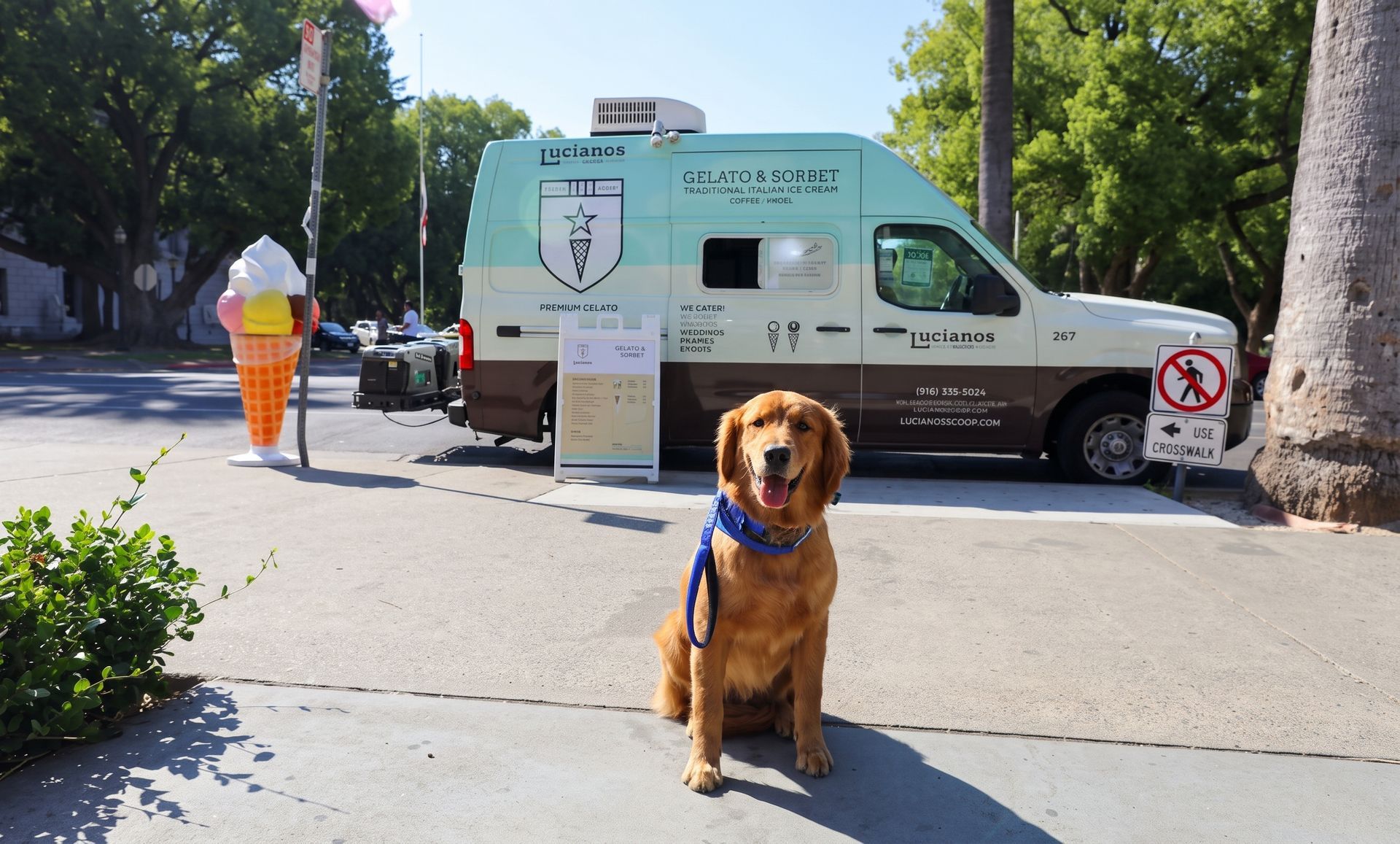
Beyond the Leash: Service Dog Impact Stories
Beyond the Leash: Service Dog Impact Stories
Service dogs are more than just companions. They are lifelines for many individuals facing daily challenges. These remarkable animals provide support, independence, and hope.
Imagine a life where anxiety or physical limitations hold you back. A service dog can change that narrative. They offer a bridge to a more fulfilling life.
Service dogs are trained to perform specific tasks. These tasks are tailored to the unique needs of their handlers. From retrieving items to alerting to medical conditions, their skills are vast.
The bond between a service dog and its handler is profound. It is built on trust, communication, and mutual respect. This connection can transform lives.
Real-life stories of service dogs highlight their impact. They show how these animals help individuals regain confidence and independence. The stories are both inspiring and heartwarming.
David Baron and the Service Dog School of America are leaders in this field. With decades of experience, they provide top-tier training. Their commitment to excellence is unmatched.
Choosing the right service dog is crucial. It involves understanding the needs and lifestyle of the individual. The right match can lead to a life-changing partnership.
Service dogs are not just pets. They are trained professionals. Their presence can bring peace of mind and stability.
The Life-Changing Power of Service Dogs
Service dogs are invaluable assets for individuals with disabilities. They offer practical assistance and emotional support, transforming lives in extraordinary ways.
The impact of a service dog is profound. They help break down barriers that many people face due to their disabilities. This allows for greater autonomy and self-sufficiency.
These dogs undergo rigorous training programs. Such programs focus on specific tasks to aid in everyday challenges. Their training includes a variety of specialized skills.
Here’s what service dogs can do:
- Guide visually impaired individuals safely.
- Detect changes in blood sugar for diabetics.
- Provide emotional grounding during panic attacks.
- Assist with physical support for mobility-related tasks.
The versatility of service dogs is remarkable. They adapt to the specific needs of their handler, offering personalized support. This adaptability enhances the quality of life.
Research shows the psychological benefits of having a service dog. They reduce stress and anxiety, fostering a sense of calm. The companionship they offer is unparalleled.
Each story of a service dog partnership is unique. These stories illustrate the life-altering benefits of such relationships. They highlight personal growth and newfound freedoms.
David Baron’s Service Dog School of America is pivotal in this journey. Their training ensures dogs are well-prepared for their roles. The commitment to excellence is evident.
The power of service dogs extends to overall well-being. They provide not only practical assistance but also emotional stability. Their influence is both far-reaching and deeply personal.
Psychiatric Service Dog Stories: Healing Invisible Wounds
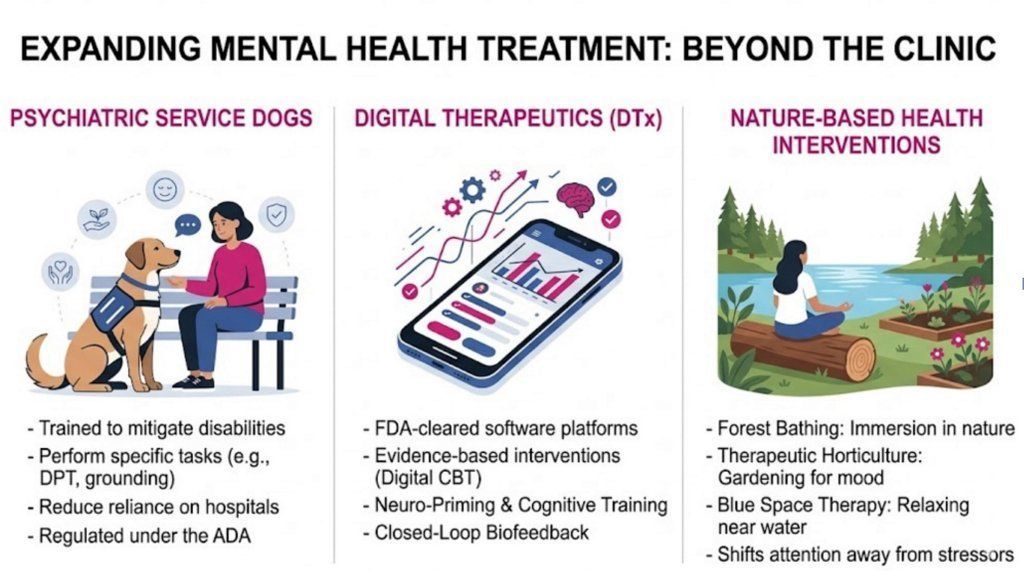
Psychiatric service dogs are uniquely trained to support individuals with mental health disorders. These dogs become lifesavers for those grappling with invisible challenges.
Invisible wounds, such as PTSD, anxiety, and depression, can be debilitating. Psychiatric service dogs help individuals navigate these conditions with resilience and hope.
These dogs are trained to perform specific tasks. Their roles might include interrupting harmful behaviors or providing tactile stimulation during distress.
Here’s how they help:
- Providing reminders for medication.
- Alerting to emotional changes.
- Offering reassurance in triggering situations.
- Creating personal space in crowded areas.
One compelling story is of Sarah, a veteran with PTSD. Her service dog, Max, offers comfort during night terrors. Max’s presence provides a sense of security during daily tasks.
Another example is Jake, who struggles with severe anxiety. His service dog, Bella, detects his rising anxiety levels, prompting him to employ coping strategies. Bella also accompanies Jake in public settings, reducing his social anxiety.
These real-life cases show the pivotal role service dogs play in mental health. They bridge the gap between isolation and social engagement. Handlers often describe their dogs as lifelines during their darkest moments.
Training a psychiatric service dog requires an in-depth understanding. Trainers must teach the dog to respond to subtle emotional cues. This specialized training tailors the dog’s responses to each handler.
Families and communities notice the difference a service dog makes. They witness enhanced engagement and improved confidence in handlers. This ripple effect is a testament to the transformative power of these relationships.
David Baron’s Service Dog School of America leads in training psychiatric service dogs. They combine years of expertise with a personal touch. Their goal is to facilitate life-altering partnerships between handlers and dogs.
In essence, psychiatric service dogs unlock the potential for a higher quality of life. They empower individuals with invisible wounds, offering a pathway to healing. Their companionship is a constant reminder that no one has to face their challenges alone.
Mobility Service Dog Stories: Regaining Independence
Mobility service dogs are trained to assist individuals with physical disabilities. Their role extends beyond simple companionship, fostering autonomy and confidence.
For those with limited mobility, everyday tasks can become daunting. Service dogs help bridge the gap between dependence and independence. They empower their handlers to tackle daily activities with newfound ease.
Tasks these dogs perform include:
- Retrieving dropped items.
- Opening and closing doors.
- Assisting with balance and walking.
- Turning lights on and off.
Consider the story of Laura, who uses a wheelchair. Her service dog, Charlie, retrieves items from the floor and opens doors for her. This allows Laura to navigate her home and community freely, without hesitation.
Then there’s Tom, who has a degenerative muscle condition. His service dog, Rex, provides stability while walking. Tom describes Rex as an extension of himself, allowing more effective movement throughout the day.
Each story of mobility service dogs is unique. The assistance these dogs provide is both practical and transformative. They offer solutions that are tailored to the handlers’ specific needs.
Training mobility service dogs demands precision and patience. Trainers instill commands tailored to compensate for each handler’s specific challenges. The close bond formed during this process becomes a cornerstone of the partnership.
These dogs not only enhance physical capabilities but also boost emotional well-being. The increased independence fosters a more active lifestyle, improving mental health and social connections. Many handlers report a surge in confidence, leading to broader participation in community activities.
Service Dog School of America, led by David Baron, excels in training mobility service dogs. Their program focuses on developing a bespoke support system for each handler. This individual attention ensures that both dog and human can maximize their potential.
The stories shared by mobility service dog handlers illuminate a path to freedom and empowerment. By meeting daily challenges head-on, handlers reclaim lives filled with purpose and passion. Each success story underscores the profound impact of these incredible animals.
Medical Alert Dog Stories: Life-Saving Companions
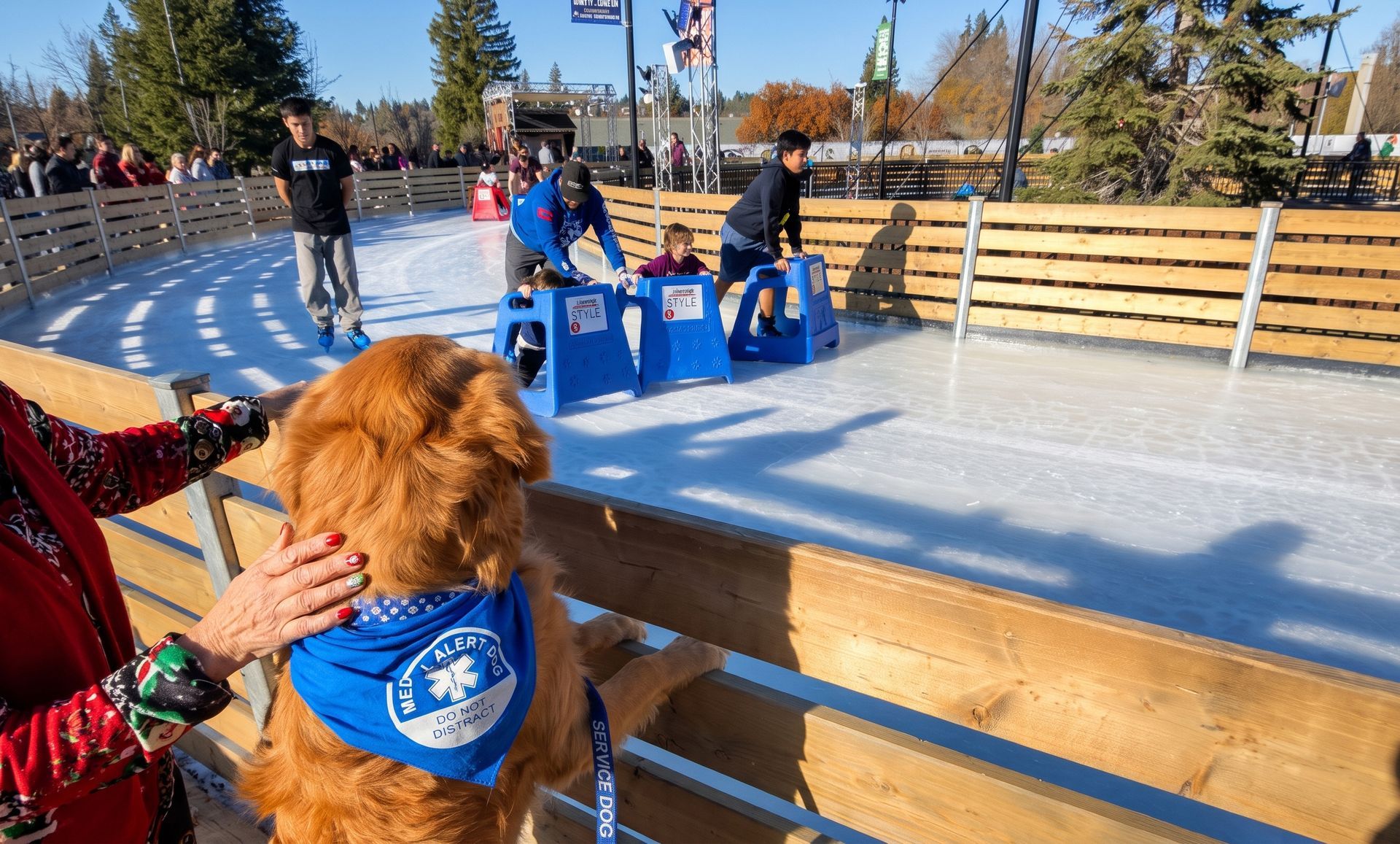
Medical alert dogs are true lifesavers. They use their keen senses to detect specific medical conditions, providing timely warnings to their handlers.
These alert dogs are trained for various tasks, including:
- Detecting low blood sugar in diabetics.
- Alerting to impending seizures in epileptics.
- Sensing panic attacks in individuals with anxiety disorders.
Consider Jane, a diabetic patient whose life changed thanks to her medical alert dog, Max. Max alerts her before her blood sugar drops dangerously low. This warning allows Jane to take action, preventing severe episodes and potential hospital visits.
Another story is that of Eric, who has epilepsy. His service dog, Daisy, can sense an oncoming seizure. With Daisy’s prompt alerts, Eric has enough time to find a safe place to sit before a seizure begins, reducing injury risk.
Training these dogs requires a fine-tuned approach. Each dog learns to recognize signs of their handler’s unique medical condition through specific cues. Trainers focus on sensitivity to subtle physiological changes that human senses might overlook.
These life-saving companions often become integral parts of their handlers’ health management systems. The emotional relief they provide is significant, with handlers often feeling more secure in their day-to-day lives.
Family members also benefit. They gain peace of mind knowing a reliable companion watches over their loved one, constantly vigilant and prepared to alert them to any danger.
David Baron and the Service Dog School of America stand out in training medical alert dogs. Their method focuses on creating a bond between dog and handler that enhances alert accuracy and response. The school’s tailored approach guarantees each handler receives a dog trained specifically to meet their medical needs.
The stories shared by owners of medical alert dogs highlight the profound impact these animals have. Beyond their life-saving capabilities, they offer companionship and emotional support. They become more than aids; they transform into cherished partners in health and happiness.
The Human-Animal Bond: Emotional and Social Impact
The bond between a service dog and its handler transcends functionality. This relationship is profound, offering emotional and social benefits that enhance quality of life.
Service dogs provide unconditional love and companionship. This sense of being valued and loved can be transformative for handlers who feel isolated or marginalized. Beyond companionship, these dogs encourage social interaction by acting as natural icebreakers.
Interactions with strangers become more frequent and positive. People are naturally drawn to service dogs, which helps their handlers engage more with the world around them.
Consider Mark, who suffers from social anxiety. His psychiatric service dog, Lila, comforts him during anxious moments, allowing him to interact more confidently with others.
Handlers frequently report increased happiness and emotional well-being. The simple presence of a furry friend can ease stress and foster a sense of calm. Owners find solace in their dogs’ constant, nonjudgmental presence, easing feelings of loneliness or depression.
Here are some emotional and social benefits service dogs provide:
- Increased opportunities for socializing.
- Enhanced mood and emotional stability.
- Improved confidence in public settings.
Sarah, who experienced trauma, describes her service dog Bella as her “anchor.” Bella’s steady presence helps Sarah navigate her world with less fear and more assurance. Sarah now attends social events she once avoided, feeling supported by Bella’s calming influence.
Families and communities often notice these positive changes. Service dogs not only enrich the lives of their handlers but also enhance family dynamics and community inclusivity.
The Service Dog School of America emphasizes the importance of the human-animal bond in their training programs. David Baron ensures that this relationship is prioritized, fostering a mutual understanding that enhances the dog’s ability to assist.
Family and Community: Ripple Effects of Service Dog Partnerships
Service dogs not only transform individual lives but also create positive ripples that benefit families and communities. The presence of a service dog can significantly alter family dynamics, bringing newfound stability and harmony.
For families, having a service dog often means shared responsibilities and shared joy. Members engage actively in the care and training of the dog, fostering unity and cooperation. Dogs often become beloved family members, providing comfort and emotional support to everyone, not just the handler.
In community settings, service dogs enhance inclusivity. They break down barriers for individuals with disabilities, enabling them to participate more fully in social and community activities. People become more aware and accepting of disabilities, promoting a more understanding environment.
Take James, who struggles with PTSD. His service dog, Max, not only provides personal support but has also enriched his family life. Family outings are now more frequent and enjoyable, with Max reducing James’s anxiety levels.
The ripple effects extend to community awareness. Service dogs educate others about different disabilities, fostering empathy and understanding. This positive influence encourages others to become more involved in community support efforts.
Key community impacts of service dogs include:
- Promoting disability awareness.
- Enhancing community support networks.
- Fostering inclusivity and acceptance.
At the Service Dog School of America, David Baron underscores the expansive impact service dogs have beyond the individual. The meticulous training ensures these dogs serve as ambassadors of understanding and empathy within communities.
The Journey: From Application to Placement
Embarking on the journey to acquire a service dog is a significant decision. It starts with an application and involves multiple steps. Each phase is crucial to ensure the right match between the service dog and the handler.
The initial phase involves assessing the individual’s specific needs. This assessment helps determine the type of service dog that would be most beneficial, whether it be a psychiatric service dog, medical alert dog, or mobility service dog. Understanding these needs ensures that the dog’s training aligns perfectly with the handler’s requirements.
Following the assessment, the selection process begins. A reputable organization like the Service Dog School of America, led by David Baron, carefully evaluates their trained dogs to find the best match. This selection is based on the dog’s abilities, temperament, and the handler’s lifestyle, fostering a strong bond right from the start.
Once a match is found, the placement and training phase commences. The handler receives training on how to effectively work with their new service dog. This training is essential to build communication and trust between the pair.
Key steps in the journey include:
- Assessing individual needs.
- Selecting the right service dog.
- Participating in training and placement.
Successful placement results in a profoundly rewarding partnership. This transforms the handler’s life, providing not only support but also independence and enhanced quality of life.
Why Choose Service Dog School of America and David Baron?
Choosing the right service dog provider is crucial for a fruitful partnership. The Service Dog School of America, led by David Baron, stands out for several reasons. With nearly three decades of experience, David Baron exemplifies expertise and dedication.
His school offers personalized training programs tailored to the individual’s needs. This means each medical service dog or psychiatric alert dog is trained specifically for the tasks their future handler requires. Tailored programs ensure that every dog is not just a companion but a vital support system.
The comprehensive approach taken by the Service Dog School of America involves a deep understanding of both canine behavior and the challenges faced by individuals with disabilities. This expertise guarantees that each partnership is well-founded and successful in the long term.
Key reasons to consider this partnership include:
- Nearly 30 years of training experience.
- Customized training plans for each handler.
- A reputation built on successful, life-changing partnerships.
David Baron’s commitment to excellence is evident in the quality of service dogs he provides. His focus on ongoing support ensures both the handler and service dog continue to thrive. Trust in David Baron and the Service Dog School of America to deliver a service dog that will profoundly impact your life.
Frequently Asked Questions About Service Dogs for Sale
When exploring options for acquiring a service dog, many questions arise. Clarity about the process and expectations is crucial for a successful journey.
Where can I find service dogs for sale?
Reputable service dog providers, like the Service Dog School of America, offer specialized dogs tailored to meet specific needs. It’s important to research providers and ensure their training methods align with your requirements.
What tasks can a service dog perform?
Service dogs are trained to perform various tasks including mobility assistance, medical alerts, and psychiatric support. Each dog is trained according to the handler’s disabilities and needs.
How long does training take?
The training duration varies based on the tasks required. Usually, a service dog undergoes 12 to 16 months of rigorous training to ensure they perform their duties effectively.
Here are some key points about acquiring service dogs:
- Research reputable providers.
- Understand the tasks your dog needs to perform.
- Be prepared for the training duration and ongoing commitment.
Acquiring a service dog is a significant decision. With the right information and provider, this partnership can lead to life-changing benefits.
How to Get Started: Steps to Acquiring Your Service Dog
Beginning the journey to acquiring a service dog involves careful planning and consideration. Understanding each step ensures a smoother experience for prospective handlers.
First, identify your specific needs and how a service dog can assist you. This will help you choose the right type of service dog, whether it’s a psychiatric alert dog, mobility service dog, or medical alert dog.
Next, research reputable training organizations like the Service Dog School of America. Look for testimonials, success stories, and their training methodologies to ensure they align with your needs.
Prepare for the application process by gathering medical documents and a letter of recommendation. This information supports your application and helps trainers understand your needs better.
Here’s a step-by-step guide to get started:
- Assess your specific requirements.
- Research service dog programs.
- Gather necessary documentation.
- Submit applications to chosen providers.
- Engage with trainers for interviews and assessments.
Investing time in these initial steps will significantly impact the success of your service dog journey. With a well-chosen partner, the path to improved independence and support becomes a reality.
Conclusion: Hope, Healing, and a New Beginning
Service dogs offer more than simple assistance; they provide hope for a brighter future. For many, a service dog marks the beginning of healing from past traumas.
These dedicated animals are more than aids; they are partners. They empower individuals to reclaim their lives and pursue goals they once thought unattainable. Whether managing mental health challenges or enhancing daily mobility, a service dog opens doors to new opportunities.
The journey with a service dog fosters profound emotional connections. This bond enhances well-being and promotes independence. Over time, handlers often find they can overcome fears and anxieties, experiencing life more fully.
Partnering with a service dog has the potential to transform lives. Through this bond, individuals gain stability, security, and peace of mind. The path to acquiring a service dog is indeed a journey worth undertaking for a future filled with new beginnings and possibilities.