Service Dog Training Reality vs. Myths Debunked
Service Dog Training Reality vs. Myths Debunked
Service dogs are more than just pets; they are lifelines for many. They provide essential support to individuals with disabilities. Yet, misconceptions about service dog training abound.
Many believe service dogs are only for physical disabilities. This is far from the truth. Service dogs also assist with psychiatric and medical conditions.
The process of training a service dog is often misunderstood. Some think it’s quick and easy. In reality, it requires time, patience, and expertise.
Choosing the right service dog trainer is crucial. Trust and experience are key factors. David Baron and the Service Dog School of America are leaders in this field.
Service dogs can transform lives. They offer independence, security, and companionship. For those struggling with mental health issues, they can be a beacon of hope.
Understanding the difference between service dogs, therapy dogs, and emotional support animals is important. Each serves a unique purpose.
This article will debunk myths and provide clarity. Discover the realities of service dog training and how it can change lives.
Understanding Service Dogs: What They Really Do
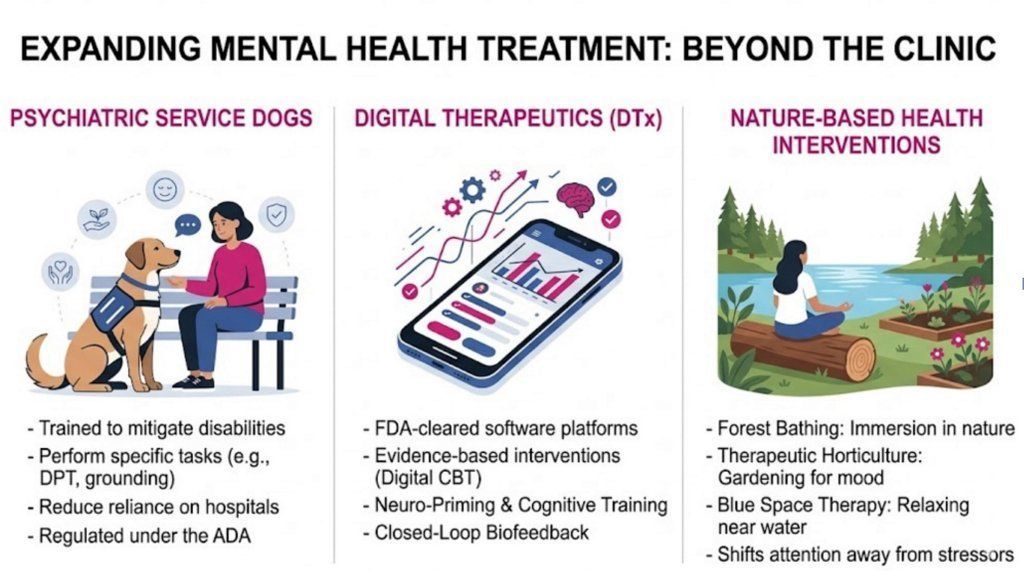
Service dogs are trained to perform tasks that mitigate specific disabilities. They are not simply well-behaved pets. Their training empowers individuals to navigate daily life with greater ease.
These dogs perform a diverse range of tasks. For instance, they may alert their handlers to medical emergencies like seizures or diabetic episodes. They can also retrieve items and provide physical support.
The role of a service dog is to enhance independence. For some, this means helping with mobility. For others, it involves offering critical psychiatric support.
Unlike emotional support animals, service dogs require specialized training. This training tailors their skills to the needs of their handler. It ensures the dog can effectively support their handler’s specific challenges.
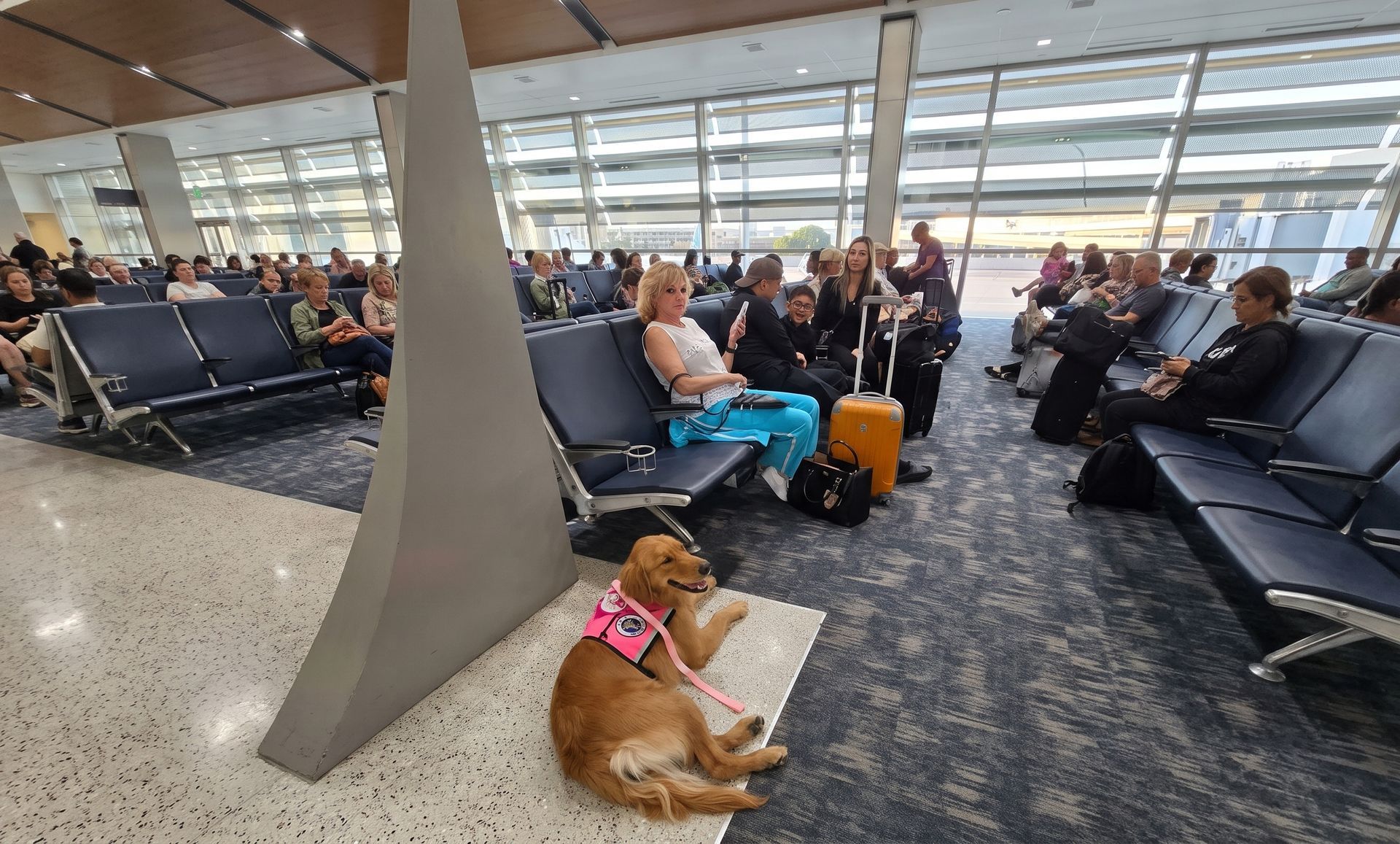
Service dogs assist people across different environments. They can accompany their handlers to work, public spaces, or social events. This access is vital for enabling participation in daily life.
These dogs can provide grounding during moments of distress. For individuals with PTSD or anxiety, their calming presence is invaluable. They can interrupt panic attacks or remind the handler to take medication.
Here is a list of some tasks service dogs commonly perform:
- Alerting handlers to medical changes
- Providing balance and support
- Assisting with navigation for the visually impaired
- Offering emotional grounding during episodes of anxiety or PTSD
Understanding what service dogs do is key to appreciating their value. Their role goes beyond companionship. They offer essential, tailored support that greatly improves the handler’s quality of life.
Service Dogs vs. Therapy Dogs vs. Emotional Support Animals
It’s crucial to understand the differences between service dogs, therapy dogs, and emotional support animals. They serve distinct purposes and are governed by different regulations. Misunderstandings in these areas can lead to confusion and unmet expectations.
Service dogs are specially trained to perform tasks for individuals with disabilities. Their role is to assist with specific impairments, offering essential support. This support is legally protected under the Americans with Disabilities Act (ADA).
Therapy dogs, on the other hand, provide comfort in therapeutic settings. They are commonly found in hospitals, schools, or nursing homes. While they offer emotional benefits, they do not have the same public access rights as service dogs.
Emotional support animals provide comfort and companionship to their owners. They are not required to perform specific tasks and are not granted the same legal access as service dogs. Their primary function is to offer emotional well-being.
Key distinctions among these animals include:
- Service Dogs: Trained for disability-specific tasks
- Therapy Dogs: Provide emotional benefits in group settings
- Emotional Support Animals: Offer companionship but have limited legal protections
Understanding these differences is essential for setting appropriate expectations. Choosing the right type of support animal ensures that individual needs are met. Each plays a unique role, and knowing these roles can guide in selecting the most suitable companion for your situation.
Common Myths About Service Dog Training
Service dog training is often misunderstood, leading to several myths that misguide potential handlers. Let’s address these misconceptions.
One common myth is that all dogs can become service dogs. However, not every dog has the necessary temperament or health for this demanding role. Selection is crucial.
Another misconception is the idea that service dogs are a quick fix. In reality, training is a lengthy, nuanced process, requiring patience and commitment from both the trainer and future handler.
Some believe that service dogs are only for physical disabilities. This overlooks the vital support they provide for psychiatric conditions, like PTSD and anxiety.
The notion that anyone can train their own service dog is widespread. Effective service dog training requires specialized skills, experience, and knowledge to ensure the dog’s success.
A prevalent myth is that service dogs are always on duty. While they are trained to assist constantly, they do need rest and time to be regular dogs.
Here are some myths debunked:
- Any Dog Can Be a Service Dog: Selection is key; not all have the right traits.
- Service Dogs Are Quick Fixes: Training takes time and dedication.
- Only for Physical Disabilities: Service dogs support psychiatric needs as well.
- Self-Training Is Sufficient: Professional guidance is often necessary.
- Service Dogs Never Rest: Even service dogs need downtime.
Understanding these myths helps in setting realistic expectations about service dog training. Recognizing the commitment involved ensures a successful partnership. Once these misconceptions are cleared, individuals can move forward confidently in acquiring the right service dog for their needs.
The Realities of Service Dog Training: What to Expect
Service dog training is an intricate process requiring dedication, time, and expertise. It’s not a quick undertaking but a rewarding journey.
Training is highly individualized. It begins by assessing the specific needs of the future handler. Understanding these needs is crucial for developing an effective training plan.
Training usually involves professional trainers who specialize in service dogs. Their experience ensures that the dog learns to perform necessary tasks safely and reliably.
Expect a significant time commitment. Training a service dog may take months or even years, depending on the tasks required and the dog’s learning pace.
It’s essential for the handler to be involved in the training process. Their participation helps to strengthen the bond and ensure the dog responds correctly to cues in various situations.
Patience is a key part of training. Challenges and setbacks are normal. Consistency and persistence lead to success.
Training extends beyond basic obedience. Service dogs must learn complex tasks, such as medical alerts or providing deep pressure therapy for anxiety.
Expect the training to be continuous. Even after initial training, reinforcement and practice are needed to maintain the dog’s skills and effectiveness.
The realities include:
- Initial Assessment: Determines specific needs and tasks.
- Professional Training: Ensures specialized task training.
- Time Investment: Months to years for complete training.
- Active Involvement: Handler’s role in training is crucial.
- Ongoing Practice: Skills maintenance over the dog’s life.
Service dog training is a transformative process that provides not only task assistance but also companionship and confidence for those in need. Acknowledging these realities ensures both the dog and the handler are prepared for a successful partnership. Understanding these elements enables individuals to embark on their journey with realistic expectations and readiness.
Psychiatric Service Dog Training: Life-Changing Support
Psychiatric service dog training is specialized to assist individuals dealing with mental health conditions. These dogs are trained to perform tasks that help manage symptoms, providing practical and emotional support.
Common beneficiaries include those with PTSD, anxiety, depression, and other psychiatric disorders. The dogs can help bring stability and a sense of normalcy to their handlers’ lives.
Dogs in this role learn specific tasks to address mental health needs. For example, they can interrupt panic attacks by nudging or bringing medication.
They may also provide deep pressure therapy by applying physical contact to calm their handler during episodes of distress. This can be immensely comforting and grounding.
Training focuses on situational awareness. The dog must recognize cues from their handler that indicate an oncoming episode or emotional crisis.
Such training fosters independence. The handler gains confidence, knowing they have a reliable partner by their side during challenging moments.
The bond between the handler and their psychiatric service dog is pivotal. It’s built on trust and mutual understanding, improving the handler’s quality of life.
Key Tasks of Psychiatric Service Dogs:
- Interrupting harmful behaviors or panic attacks
- Providing deep pressure therapy for anxiety relief
- Reminding the handler to take medications on time
- Creating a buffer in crowded or uncomfortable spaces
- Waking the handler from nightmares or night terrors
This type of service dog can profoundly impact the mental and emotional well-being of individuals with psychiatric challenges. Tailored training ensures the dog meets the unique needs of its handler effectively. With the right support, those struggling with mental health issues can find newfound freedom and peace of mind.
Autism Service Dogs: Unique Benefits for Autism Spectrum
Autism service dogs offer transformative support for individuals on the autism spectrum. Their roles extend beyond basic assistance, providing specific benefits tailored to autism-related needs.
These specialized dogs help increase independence by assisting with daily routines. They contribute to a sense of security and consistency, crucial for those with autism.
In social settings, autism service dogs can help mitigate sensory overload. They provide a calming presence that helps reduce anxiety in overwhelming environments.
Dogs trained for autism support are adept at guiding and protecting their handlers. For example, they may prevent a child with autism from wandering away in crowded areas.
Emotional regulation is another key benefit. Service dogs can detect signs of distress and offer comforting interventions, helping to stabilize emotions.
The relationship between an autism service dog and its handler encourages social interaction. The dog often serves as a bridge to forming new connections and friendships.
Primary Roles of Autism Service Dogs:
- Enhancing safety by preventing wandering and bolting
- Supporting sensory management during high-stimulation situations
- Providing companionship and reducing feelings of isolation
- Encouraging communication and social interaction
- Offering emotional support during stressful moments
With the guidance and companionship of an autism service dog, individuals on the spectrum can navigate the complexities of daily life with increased confidence and independence. These dogs help foster emotional resilience and offer families peace of mind, knowing their loved ones have dedicated support. The partnership facilitates personal growth and engagement with the world around them, making a meaningful impact on the lives of those they assist.
Medical Alert Dogs: How They Save Lives
Medical alert dogs are crucial partners for individuals with life-threatening conditions. They are trained to detect and respond to changes in their handler’s health.
These specialized dogs use their acute sense of smell to detect things like drops in blood sugar or oncoming seizures. This early detection allows handlers to take preventative action.
Once they sense a problem, medical alert dogs can perform tasks such as retrieving medication or fetching help. Their timely intervention can be life-saving in critical situations.
The reliability of these dogs provides a sense of security and peace of mind for both the handler and their family. They empower those with medical conditions to lead more independent lives.
Their assistance extends beyond immediate alerts, as they also support their handlers emotionally. Knowing they have a vigilant partner reduces stress and anxiety related to their condition.
Key Abilities of Medical Alert Dogs:
- Detecting changes in body chemistry (e.g., low/high blood sugar)
- Alerting handlers to impending seizures or medical episodes
- Retrieving emergency medication or other crucial supplies
- Seeking assistance from another person during emergencies
- Providing emotional support and companionship
Overall, medical alert dogs are invaluable in managing health conditions, ensuring that their handlers remain safe and aware of potential medical emergencies. The partnership between a handler and their alert dog enhances safety and improves quality of life by offering effective, reliable assistance.
The Service Dog Training Process: Step by Step
Training a service dog involves a thorough, multi-phase process. Each step is critical to ensure a successful partnership.
First, it begins with selecting a dog with the right temperament, health, and breed suitability. Not all dogs are cut out for service work, so choosing the right candidate is essential.
Once chosen, the dog undergoes basic obedience training. This foundational phase teaches vital commands like sit, stay, and heel. Mastery of these basic skills sets the stage for more complex tasks.
Next, the dog receives task-specific training tailored to the handler’s needs. These tasks might include retrieving items, alerting to medical conditions, or providing physical support.
Throughout training, both the dog and the handler develop a bond. This relationship is fundamental for effective communication and for the dog’s responsiveness.
Additionally, the dog is trained to handle public settings with confidence. They must learn to navigate various environments calmly and remain focused despite distractions.
Key Phases of Service Dog Training:
- Selection of suitable candidate based on temperament and health
- Foundational obedience training for basic commands
- Task-specific training tailored to handler needs
- Development of a strong handler-dog bond
- Acclimation to various public settings
Training is an ongoing commitment, requiring patience and dedication. It ensures the dog’s skills remain sharp and effective. The end result is a highly trained service dog ready to support their handler and enhance their quality of life. This meticulous process fosters a lifelong partnership built on trust and mutual respect.
Service Dog Training Cost: What You Need to Know
The cost of service dog training can vary significantly. Factors such as the dog’s breed, the complexity of the tasks, and the trainer’s expertise play a role.
Training a service dog involves considerable investment. Professional services range from basic obedience to specialized task training. These can tally into thousands of dollars.
Costs encompass more than training fees. Consider expenses for health care, equipment, and ongoing maintenance. These should be factored into the overall budget.
Prospective handlers should seek estimates from various reputable trainers. This helps ensure a fair price for the comprehensive services provided.
Factors Influencing Service Dog Training Cost:
- Trainer’s experience and reputation
- Complexity and type of required tasks
- Duration and intensity of training sessions
- Additional services, such as boarding or veterinary care
Remember, investing in a service dog is investing in better quality of life. Proper financial planning ensures you are prepared for the commitment. A well-trained dog can offer invaluable support, making the cost worthwhile for many families.
Choosing the Right Service Dog Trainer: Why Experience Matters
Selecting a service dog trainer is crucial. Experience greatly impacts the training outcome. An expert trainer understands the nuances needed for success.
A trainer with years of experience can quickly identify each dog’s strengths and challenges. They tailor techniques to optimize the dog’s potential.
When evaluating trainers, look for proven experience, certifications, and positive client testimonials. These elements build confidence in the trainer’s abilities and reliability.
Not all trainers offer the same services. Some may specialize in particular disabilities or breeds. Ensure the trainer’s expertise aligns with your specific needs.
Key Considerations When Selecting a Trainer:
- Years of experience in service dog training
- Specialization in psychiatric or medical service dog training
- Client reviews and success stories
- Professional certifications and affiliations
Choosing the right trainer is investing in a partnership. This partnership supports both you and your service dog. A knowledgeable trainer can make a significant difference in the dog’s long-term success and adaptability.
Service Dog School of America & David Baron: Setting the Standard
Service Dog School of America stands out for its commitment to excellence. David Baron, with his expertise, leads the institute with proven practices.
Baron’s extensive experience makes him a trusted figure in service dog training. His dedication ensures each dog meets the highest standards of assistance.
Clients appreciate the personalized approach. Training programs are tailored to meet individual needs, addressing specific conditions and requirements.
The school’s success is reflected in positive client testimonials. These stories showcase the transformative impact of well-trained service dogs on people’s lives.
Reasons to Choose Service Dog School of America:
- Over 25 years of training experience
- Customized training programs for various disabilities
- Strong reputation built on trust and results
- Led by industry expert David Baron
Choosing Service Dog School of America means investing in quality and reliability. Under David Baron’s guidance, clients receive a service dog prepared for real-world challenges. This preparation promotes independent living and enhances the quality of life for those in need.
Frequently Asked Questions About Service Dog Training
Service dog training raises many questions for potential handlers. Understanding the basics can help you make informed decisions.
Who qualifies for a service dog? Individuals with disabilities impacting daily life may qualify. This includes psychiatric and physical conditions.
What tasks can service dogs perform? Tasks include assisting with mobility, alerting to medical conditions, and providing psychiatric support.
How long does training take? Training duration varies. It can range from months to a few years, depending on complexity.
Commonly Asked Questions:
- What is the difference between a service dog and an emotional support animal?
- Can any dog become a service dog?
- How do I find a reputable service dog trainer?
Each question highlights the need for proper research and understanding. Adequate knowledge helps in choosing the right training path.
For more detailed information and guidance, potential handlers are encouraged to consult with experienced trainers. Personalized advice can make a significant difference in the training process and outcomes.
Conclusion: Taking the Next Step Toward a Better Life
Embarking on the journey to obtain a service dog can be transformative. It offers hope, support, and a path to improved well-being.
With the right guidance and commitment, a service dog becomes more than an assistant—it’s a life-changing companion. Take the next step; your better future awaits.