People Ask About Trained Dogs for Sale
People Ask About Trained Dogs for Sale
Finding the right trained dog for sale can be a life-changing decision. It’s not just about buying a pet; it’s about gaining a partner. A trained service dog can provide emotional support, stability, and a sense of security.
For nearly 30 years, I’ve dedicated my life to training dogs. My focus has been on medical and psychiatric service dogs for the last nine years. At the Service Dog School of America, we understand the profound impact a well-trained dog can have.
Our trained dogs for sale are more than just obedient. They are loving, caring, and empathetic companions. We specialize in off-leash obedient trained dogs, ensuring they are reliable in any situation.
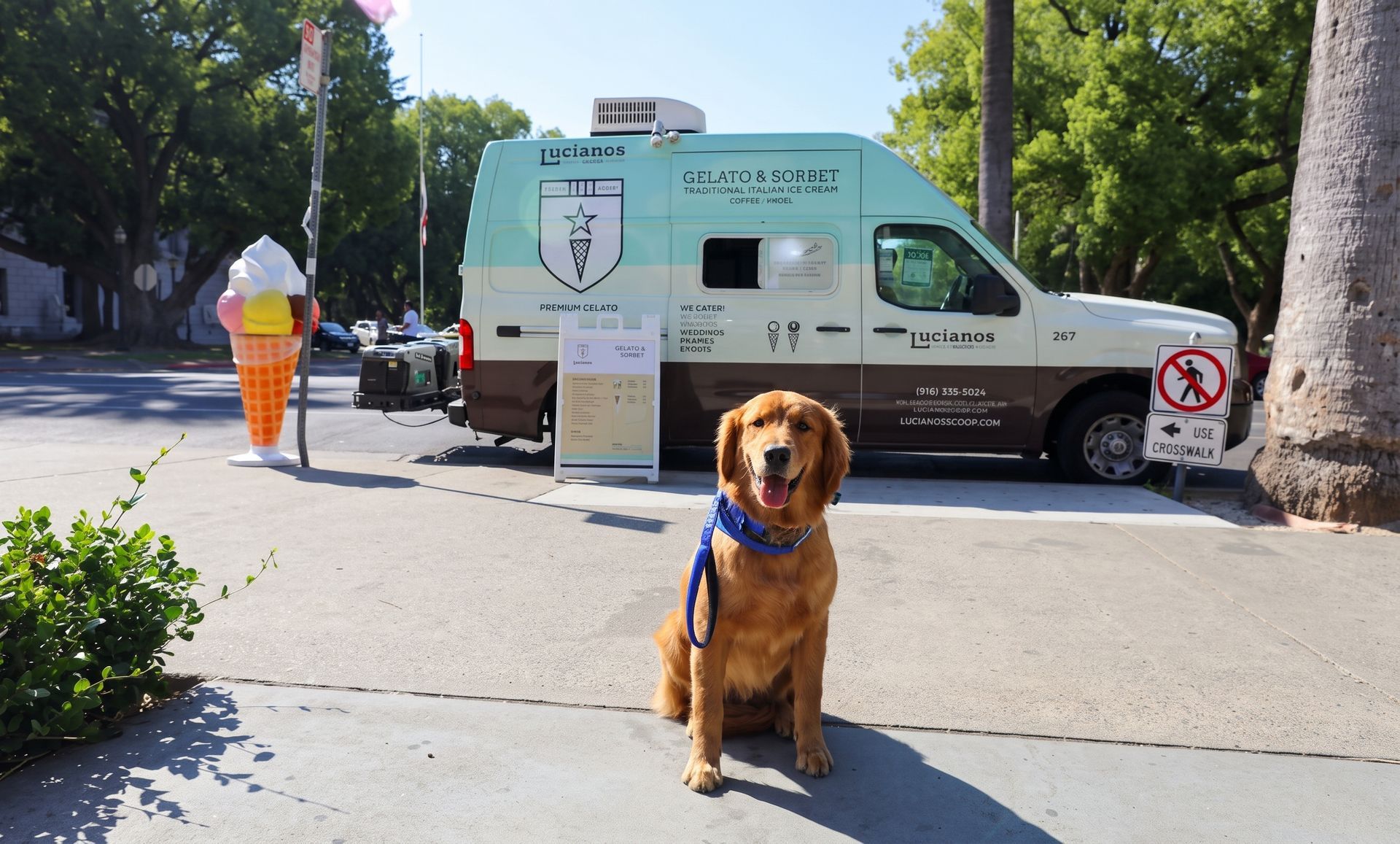
Golden Retrievers are a popular choice for service dogs. Their intelligence and gentle nature make them ideal companions. But it’s not just about the breed; it’s about the training and the bond formed.
Choosing the right trainer is crucial. You need someone you can trust, someone who loves dogs and people. At the Service Dog School of America, no one loves dogs and people more than we do.
Our training process is tailored to each client’s needs. We focus on empathy, calmness, and a gentle, focused approach. This ensures our dogs are not only obedient but also attuned to their owner’s needs.
Investing in a trained service dog is investing in your well-being. It’s about finding a partner who can help you navigate life’s challenges. Let us guide you on this journey to find the perfect trained dog for sale.
Why People Seek Trained Dogs for Sale
In today’s world, many people grapple with emotional and physical challenges. A trained service dog can offer much-needed support. These dogs are more than pets; they are vital companions.
People seek trained dogs for sale for various reasons. Here are some of the most common motivations:
- Emotional support for mental health issues
- Assistance with daily tasks for individuals with disabilities
- Enhancing safety and security in challenging environments
- Offering companionship and reducing feelings of loneliness
- Facilitating social interactions and improving quality of life
For those with mental health conditions, a service dog can be a lifeline. They offer comfort during anxiety or panic attacks. Their presence alone can be grounding.
Physically disabled individuals also benefit significantly. Service dogs are trained to assist with mobility tasks. They can retrieve items, provide balance, and even open doors.
For parents of children with special needs, a dog can be incredibly helpful. These trained companions provide safety and structure. They even encourage children to engage and interact more.
Survivors of trauma find solace and healing in a service dog’s companionship. These dogs provide unconditional love and support. They help individuals feel safe and grounded.
Others seek a trained dog to improve their quality of life. Isolation and loneliness are prevalent issues today. A service dog can offer companionship and a reason to get out of the house.
Investing in a trained dog can also reduce medical expenses. With less reliance on medication, the overall cost of healthcare can decrease. This benefit appeals to many in long-term recovery.
Ultimately, people seek trained dogs for sale for personal and varied reasons. But the constant is the transformation these dogs bring. They offer hope, support, and a loving presence that enriches their owners’ lives.
The Life-Changing Benefits of a Trained Service Dog
A well-trained service dog opens doors to a new world for individuals facing challenges. These dogs do more than perform tasks; they transform lives in deep and lasting ways.
Firstly, service dogs provide undeniable emotional support. People with depression or anxiety find comfort in their loyal presence. Knowing there’s a companion by their side can significantly reduce stress levels.
For individuals with PTSD, a service dog serves as a grounding presence. They help navigate triggers and calm heightened responses. This support fosters an environment where healing becomes more achievable.
Service dogs also bring about physical benefits. They aid in increasing mobility, which encourages physical activity. Enhanced mobility can lead to an active lifestyle, promoting overall health.
Beyond mental and physical health, service dogs help foster social connections. They are excellent social catalysts. Having a service dog can make interactions with others more accessible and less daunting.
Many people find that service dogs restore their sense of independence. Owners can perform tasks they previously struggled with. They regain autonomy and confidence in handling day-to-day life.
These dogs are also remarkable at providing safety and security. They alert their owners to potential dangers, both physical and emotional. This constant vigilance can bring peace of mind to individuals and their families.
Service dogs help establish routine and structure in their owners’ lives. This consistency becomes a pivotal part of recovery. A reliable routine can improve mood and increase productivity.
For parents, a service dog can be an invaluable family member. These dogs offer support, companionship, and a calming influence. They can bridge the gap between children with disabilities and the world around them.
Furthermore, service dogs contribute to a better quality of sleep. Their presence often reduces night terrors and interruptions. Owners wake up feeling more rested and ready to tackle the day.
The bond between a service dog and their owner is one of mutual respect and love. This relationship is nurturing and fulfilling. The companionship of a service dog enriches life in unparalleled ways.
Overall, owning a trained service dog is life-altering. They provide hope, support, and a steadfast presence. Through their devoted companionship, individuals can rediscover joy and purpose in their lives.
Understanding the Different Types of Trained Dogs for Sale
When considering trained dogs for sale, it’s essential to understand the variety available. Each type of trained dog serves specific roles. Knowing these categories helps you choose the right companion for your needs.
Firstly, there’s the service dog. These dogs assist people with disabilities, performing tasks to enhance daily life. They receive rigorous training to meet unique challenges their owners face.
Next are therapy dogs, who offer comfort in various settings. These dogs visit hospitals and schools, bringing joy and relief to many. They’re trained to remain calm and gentle around strangers.
Then, we have emotional support animals (ESAs). While they don’t perform specific tasks, their presence offers significant mental health support. ESAs can reside in no-pet housing due to their unique role.
Protection dogs are another type. They’re trained to guard their owners and property. These dogs require experienced handlers due to their specialized training.
Detection dogs utilize their keen sense of smell to locate substances. They’re commonly used in law enforcement to detect drugs or explosives. Their training is both extensive and highly specialized.
Trained companion animals offer unparalleled companionship. They provide comfort and are perfect for families. Their main role is to be a loving household member.
Notably, guide dogs are vital for those with visual impairments. They help navigate obstacles and provide independence. These dogs undergo extensive, specialized training.
Assistance dogs are similar to service dogs but typically help with mobility. They aid with balance or retrieving items. This support is invaluable for individuals with physical limitations.
Finally, agility dogs are trained for high-energy environments. They participate in sporting events and showcase exceptional skills. These dogs excel in obedience and physical agility.
Understanding these categories ensures you select a dog that aligns with your lifestyle and requirements. Making an informed choice is the first step in building a rewarding relationship with your trained dog.
Why Golden Retrievers Are the Top Choice for Service and Companion Dogs
Golden Retrievers are beloved worldwide for their intelligence and friendliness. These traits make them outstanding service and companion dogs. Let’s explore why they’re often the top pick for these roles.
First, Golden Retrievers are remarkably intelligent. This makes them quick learners, ideal for complex service dog training. Their ability to follow commands diligently is crucial in assisting those with disabilities.
Their temperament is gentle and patient. Goldens are naturally calm, making them excellent companions for families and individuals. Their soothing presence is beneficial in stressful environments.
Furthermore, Golden Retrievers are inherently loyal. This loyalty creates a strong bond with their owners. A deep connection enhances both the dog’s performance and their owner’s comfort.
These dogs are also highly adaptable. They adjust seamlessly to various environments and situations. Whether in a busy city or a quiet suburb, they maintain their composed demeanor.
Goldens have an innate desire to please. This characteristic is vital in training, fostering cooperation and enthusiasm. Their willingness to work hard benefits both trainers and handlers.
They are versatile, suited for both service and therapy roles. As therapy dogs, they uplift spirits in hospitals and schools. Their friendliness and gentle nature make them welcome in these settings.
Moreover, Golden Retrievers are energetic and enjoy physical activity. This energy helps them excel in tasks that require stamina and agility. Regular exercise is important for their physical and mental well-being.
Key Attributes that Make Golden Retrievers Ideal:
- Intelligence and quick learning
- Gentle, patient temperament
- Strong loyalty and bonding
- High adaptability to environments
- Desire to please owners
- Versatility in roles
- Energetic and capable of physical tasks
For those seeking a loving, capable service or companion dog, Golden Retrievers are an excellent choice. Their balance of smarts, temperament, and spirit ensures they meet the needs of diverse owners. Whether offering companionship or assistance, these dogs consistently prove their worth and love.
What Sets Off-Leash Obedient Trained Dogs Apart
Off-leash obedient trained dogs stand out for their independence and reliability. They offer significant advantages over traditionally trained pets. Understanding these benefits helps explain their rising popularity.
The primary benefit of off-leash training is enhanced freedom. Dogs can explore and enjoy their surroundings without restraint. This freedom also fosters mental stimulation, keeping the dog engaged and happy.
Off-leash obedience reflects thorough training and discipline. These dogs respond to commands without a physical tether. This level of training showcases their advanced understanding and willingness to listen.
Safety is a crucial factor in off-leash training. These dogs learn to navigate without endangering themselves or others. Owners can trust their dogs in various environments, knowing they’ll heed commands.
Such dogs enhance the owner’s convenience. Walking a dog without a leash reduces the burden of constantly managing their movements. It also allows for more natural interaction between the dog and the owner.
Confidence plays a significant role in off-leash obedience. A confident dog responds well to commands, even amidst distractions. This confidence comes from well-rounded training and consistent reinforcement.
Moreover, off-leash trained dogs exhibit excellent impulse control. Their ability to resist distractions and remain focused is impressive. This trait is particularly valued in service dogs aiding individuals with specific needs.
Unique Qualities of Off-Leash Obedient Dogs:
- Increased freedom and exploration
- Advanced training reflects understanding
- Enhanced safety and owner trust
- Greater convenience for owners
- Improved confidence and command response
- Excellent impulse control and focus
In summary, off-leash obedient dogs offer unparalleled advantages in freedom, safety, and confidence. Their unique abilities make them a valuable addition to any household or service situation. Owners gain peace of mind, knowing their pets are both reliable and happy.
The Importance of Empathy, Calmness, and Focus in Service Dogs
Empathy is a cornerstone trait in service dogs. It allows them to sense and understand their owner’s emotions. This sensitivity is vital for providing timely support and comfort.
A calm demeanor is equally crucial. Service dogs must remain unfazed in stressful situations. Their composure reassures their owners, providing stability in moments of anxiety or stress.
Focus is what connects empathy and calmness in effective service dogs. A focused dog prioritizes its owner’s needs above all else. This dedication makes them invaluable partners, especially in unpredictable environments.
The combination of these traits enables service dogs to offer nuanced support. They can adjust their behavior based on their owner’s emotional and physical cues. This adaptability enhances their effectiveness as service animals.
Training harnesses these qualities, aligning them with practical tasks. Empathy helps dogs understand when an owner needs assistance. Calmness allows them to perform duties under pressure, while focus ensures reliability in task completion.
Service dogs with these traits contribute to their owner’s independence. They instill confidence, knowing that their furry partner is attentive and composed. This bond of trust facilitates a more fulfilling, less isolated life.
Key Traits in Service Dogs:
- Sensitive empathy for emotional needs
- Steadfast calmness under stress
- Unwavering focus on tasks
- Adaptability to changing situations
In essence, empathy, calmness, and focus transform trained dogs into exceptional service companions. These traits are not just innate but nurtured through expert training. They are the foundation for a lifelong partnership filled with mutual understanding and support.
How to Choose a Trustworthy Trainer: What to Look For
Choosing the right trainer for a service dog is critical. A reputable trainer can make a significant difference in your experience and success. But what should you look for when making this choice?
Experience is the first factor to consider. Trainers with years of service dog experience understand the nuances of training for specific needs. Their expertise ensures a comprehensive approach to dog training.
Certification and credentials provide assurance of quality. Qualified trainers often hold certifications from recognized organizations. These credentials validate their skills and commitment to professional standards.
References and reviews are valuable resources. Feedback from previous clients can offer insights into the trainer’s methods and success rates. Personal recommendations highlight the trainer’s ability to deliver on promises.
A trustworthy trainer prioritizes communication with clients. Open dialogue ensures that the training program aligns with your expectations and needs. A collaborative approach fosters confidence and satisfaction.
Observation opportunities allow potential clients to see the trainer in action. Witnessing their interaction with dogs and owners can provide clarity. It’s an excellent way to assess their training style and methods firsthand.
The trainer’s philosophy should align with your values. Some trainers emphasize positive reinforcement and humane methods. Their approach should resonate with your own beliefs about dog training.
Consider the trainer’s ability to tailor programs. Customized training addresses the unique challenges you and your dog may face. This personalized attention is crucial for effective outcomes.
Facilities and resources also matter. A well-equipped training center can facilitate a better learning environment. Look for clean, safe, and inviting spaces for training.
The importance of continuous support from the trainer cannot be overstated. Even after the training ends, ongoing guidance can ensure successful integration of the dog into daily life.
Key Considerations When Choosing a Trainer:
- Experience and specialization
- Certifications and credentials
- Client references and reviews
- Communication and philosophy
- Program customization and facilities
A trustworthy trainer is an invaluable partner in your journey to acquiring a service dog. Their expertise and support make all the difference in achieving your goals.
David Baron and Service Dog School of America: Almost 30 Years of Loving, Caring Expertise
David Baron is a name synonymous with excellence in the realm of service dog training. With almost 30 years in the field, his experience speaks volumes. His dedication to both dogs and their owners sets him apart.
The Service Dog School of America is a testament to David’s commitment. It offers top-notch service dog training programs tailored to clients’ needs. Each program is crafted with love, care, and precision.
David’s expertise covers a wide spectrum. He specializes in both medical and psychiatric service dogs. This breadth of knowledge ensures comprehensive solutions for clients with diverse needs.
What makes David’s training unique is his approach. He combines traditional techniques with innovative methods. His training emphasizes empathy, understanding, and trust.
Clients consistently praise the school’s results. Many have found the process life-changing, with dogs trained to the highest standards. Reviews highlight the transformation in both the dogs and their owners.
The school’s mission is simple. It aims to provide a better life for people with disabilities. David’s passion drives this mission forward every day.
David believes in ongoing education for trainers. Keeping skills sharp and up-to-date is essential. His team regularly participates in workshops and training sessions.
A hallmark of David’s philosophy is personalized attention. Each dog and owner receives a tailored training plan. This customization ensures the best possible outcome.
The bond between David and his clients is evident. He forms lasting relationships that extend beyond the training period. This personal touch fosters trust and reliability.
David’s approach is rooted in compassion. Understanding a client’s needs and the dog’s potential is crucial. This insight results in effective, meaningful training outcomes.
The school also focuses on community engagement. Building awareness about service dogs is vital. Through community programs, David shares knowledge and expertise.
Key Features of David Baron’s Training:
- Nearly 30 years of experience
- Specialization in medical and psychiatric service dogs
- Emphasis on empathy and personalized plans
- High client satisfaction and success rates
- Commitment to ongoing education and community engagement
David Baron’s legacy in service dog training is unmatched. His passion, experience, and dedication make him a trusted leader in the field.
The Service Dog Training Process: From Puppy to Partner
Training a service dog is a methodical journey. It requires patience and precision. The process starts when the dog is still a puppy.
Puppies first undergo basic obedience training. This includes commands like sit, stay, and come. It’s vital to establish a foundation early.
Socialization is a key component. Puppies need exposure to different environments and people. This helps them become adaptable and confident.
Next comes task-specific training. This is tailored to the owner’s needs. The dog learns tasks like retrieving items or providing balance support.
Training is gradual and consistent. Sessions are short to maintain the puppy’s focus. Consistency ensures that learning is solidified.
Positive reinforcement is crucial. Rewarding good behavior with treats or praise is effective. It motivates the dog to perform desired actions.
As training progresses, the focus shifts to off-leash obedience. This involves practicing commands without a leash. It builds trust between the dog and owner.
Service dogs are also trained to handle distractions. They must remain calm and focused in any situation. This is essential for their role as service animals.
Key Stages in Training:
- Basic Obedience: Commands and manners
- Socialization: Interaction with people and environments
- Task-Specific Training: Custom tasks for owner needs
- Off-Leash Obedience: Commands without a leash
- Handling Distractions: Maintaining focus regardless of surroundings
Throughout the process, the bond between the dog and owner strengthens. This relationship is built on trust and love. By the end, the puppy becomes a reliable partner.
A well-trained service dog transforms lives. It provides support and companionship. This journey, from puppy to partner, is a commitment to a better future.
What to Expect When You Buy a Trained Dog from Service Dog School of America
Acquiring a trained dog from the Service Dog School of America is a transformative experience. You can expect a thorough process designed to match you with the perfect service companion. The journey begins with a comprehensive consultation.
During this consultation, your specific needs and lifestyle are assessed. This helps in selecting a dog that aligns with your requirements. The focus is on compatibility and mutual support.
Once a match is determined, you’ll receive detailed information about the dog. This includes its training background and temperament. You’ll get insights into what to expect from your new companion.
The School provides guidance on integrating the dog into your life. You’ll learn about effective communication and reinforcement techniques. This ensures a smooth transition for both you and the dog.
Upon receiving the dog, ongoing support is available. This includes access to trainers who can address any questions or concerns. Their expertise is just a call away.
Key Benefits:
- Expert consultations to assess needs
- Detailed dog profiles for informed choices
- Guidance on integration and care
- Ongoing access to training support
Expect a seamless experience marked by professionalism and care. The dogs trained here are not only skilled but also loving. They possess the traits needed to enhance your quality of life.
In essence, acquiring a trained dog from Service Dog School of America means gaining a lifelong partner. It is an opportunity to improve well-being and foster a meaningful bond with your service dog. This step can redefine your everyday experience.
Frequently Asked Questions About Trained Dogs for Sale
Choosing the right trained dog involves understanding common inquiries. Here, we address frequently asked questions to provide clarity and ease your decision-making process.
What breeds are most commonly available for service training?
Breeds like Golden Retrievers, Labradors, and Poodles are favored. Their intelligence and temperament make them ideal for service roles.
How long does the training process take?
The duration varies depending on the specific skills required. Typically, training can range from several months to over a year.
Are trained service dogs available for purchase directly?
Yes, reputable trainers offer fully trained dogs. Ensure the provider offers documentation and demonstrable training evidence.
How do I ensure a trainer is reputable?
Research the trainer’s credentials and client testimonials. Verify their experience and qualifications in service dog training.
Common Concerns:
- What is the cost range for trained dogs?
- Prices vary widely, influenced by training length, breed, and specific needs.
- Do trainers offer ongoing support post-purchase?
- Reputable trainers like Service Dog School of America provide continuous assistance.
- Can service dogs adapt to new environments easily?
- Yes, they undergo extensive socialization to ensure adaptability.
Understanding these aspects can make the acquisition process smoother. Your journey towards finding a trained dog should be informed and confident. With the right knowledge, you can make decisions that enhance your quality of life, supported by your chosen canine companion.
Real Stories: How a Trained Service Dog Changed My Life
Hearing from individuals who have experienced life transformations with trained service dogs can be enlightening. These stories illustrate the profound impact a service dog can have.
One user, Sarah, struggled with severe anxiety. Daily life felt overwhelming. Her service dog, Max, provided comfort and grounded her during panic attacks.
Another individual, John, faced mobility challenges after an accident. His dog, Charlie, assists with balance and retrieving items, granting him newfound independence.
Emma, a veteran with PTSD, found solace with her golden retriever. The dog’s presence alleviated her nightmares and reduced hyper-vigilance.
Key Transformative Experiences Include:
- Increased mobility and independence
- Emotional support and reduction in anxiety
- Greater social engagement and confidence
Lisa faced debilitating depression, often feeling isolated. Her service dog encouraged her to step outside, offering companionship and purpose daily.
For Michael, battling insomnia due to PTSD, his dog Levi’s calming influence helped restore restful sleep. Levi’s gentle presence made nighttime less daunting.
Rebecca’s heart condition led to frequent dizzy spells. Her canine companion’s assistance in alerting nearby people proved invaluable.
These stories showcase the varied ways service dogs enrich lives. They’ve provided stability, security, and love to those in need.
Service dogs are more than helpers; they’re partners. Each testimonial speaks of a bond formed through trust, dedication, and mutual care. Clients find not just assistance but hope and a path to a more fulfilling life.
The Next Step: How to Get Started with Service Dog School of America
Embarking on a journey to obtain a service dog is an important step. The Service Dog School of America provides clear guidance throughout the process.
First, assess your needs. Understand how a service dog can improve your daily life. This clarity will help in selecting the right training program.
Once you’re ready, reach out to discuss your unique situation. Communication with experienced trainers ensures a tailored approach. They’ll guide you through the options available.
Initial Steps Include:
- Assessing personal needs and lifestyle
- Consulting with experienced trainers
- Evaluating training options and programs
Visit the school to see the training environment firsthand. Observing the trainers’ interaction with dogs showcases their loving and caring approach. This step fosters trust and helps you envision your future partnership.
Finally, begin the application process. With guidance from the Service Dog School of America, this becomes a seamless experience. Their commitment extends beyond just training. They support you through every aspect of acquiring a dog, ensuring a life-changing outcome.
Conclusion: A New Beginning with a Loving, Caring, Trained Dog
Acquiring a trained service dog opens the door to a life filled with new possibilities. These dogs offer more than just companionship—they provide independence and confidence.
A well-trained service dog can turn overwhelming challenges into manageable tasks. This transformation leads to a more fulfilling, stable life. The right service dog offers reassurance and empathy daily.
Choosing the right school and trainer ensures you receive a dog that meets your specific needs. It’s not just about training—it’s about building a lasting partnership.
The Service Dog School of America’s commitment to excellence sets a high standard. Their approach, based on empathy and focus, nurtures a strong bond between you and your dog.
This new beginning marks the start of a journey towards a happier, more secure future. With a loving, caring, trained dog by your side, life’s challenges become more manageable. Embrace this opportunity, and take the first step toward transforming your life.