Understanding the Costs of Service Dogs
Understanding the Costs of Service Dogs
Understanding the costs of service dogs is crucial for anyone considering this life-changing investment. Service dogs are not just pets; they are highly trained companions that provide essential support. They help individuals with disabilities lead more independent and fulfilling lives.
The cost of a service dog can be significant. It reflects the extensive training and care these animals require. Training a service dog is a time-intensive process, often taking 12 to 16 months of dedicated work.
David Baron, with almost 30 years of professional dog training experience, is a leader in this field. His expertise in medical and psychiatric service dogs is unmatched. The Service Dog School of America, founded by David, is renowned for its exceptional training methods.
This school offers a 100% money-back guarantee, ensuring client satisfaction. Their service dogs are trained to perform specific tasks that mitigate the handler’s disability. This enhances the handler’s ability to function independently.
High net worth individuals often seek service dogs for added security and peace of mind. The investment in a service dog is not just financial; it also requires a commitment to the dog’s care and training. The cost of service dogs can range from $15,000 to $50,000 or more, depending on the level of training and customization required.
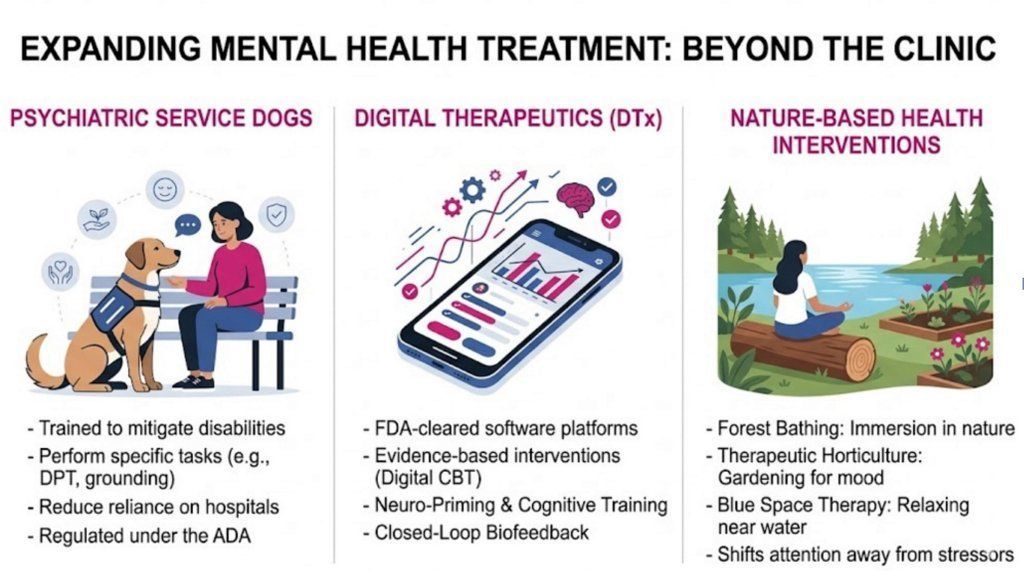
Service dogs can assist with a variety of tasks, including mobility support and alerting to medical conditions. They also provide emotional support, helping to alleviate feelings of depression and anxiety. Investing in a service dog can lead to increased independence, improved mental health, and a better quality of life.
The Service Dog School of America is considered one of the most reputable and reliable service dog training organizations. Their personalized training programs are tailored to the specific needs of each client. This ensures that each service dog is trained to the highest standards.
In this article, we will explore the costs associated with acquiring and training a service dog. We will also highlight the expertise and reliability of David Baron and the Service Dog School of America. Understanding these costs is the first step in making an informed decision about investing in a service dog.
What Is a Service Dog and Why Are They So Valuable?
Service dogs are specially trained animals that assist individuals with disabilities in their daily lives. Unlike regular pets, these dogs are trained to perform tasks that help mitigate their handlers’ disabilities. These tasks include retrieving dropped items, providing balance support, and alerting to medical emergencies.
The value of service dogs lies in their ability to enhance independence and quality of life. They help individuals perform tasks that might otherwise be challenging or impossible. This empowers the handlers, allowing them to engage more fully in everyday activities.
Service dogs are invaluable companions for those suffering from various conditions. These can include mobility challenges, psychiatric disorders, and chronic illnesses. By assisting with specific tasks, service dogs enable their handlers to navigate social settings more comfortably.
They offer emotional support, which can be crucial for individuals with anxiety, PTSD, or depression. The mere presence of a service dog can provide a calming effect, reducing stress and improving mood. This emotional connection is often cited as one of the greatest benefits of having a service dog.
In addition to emotional support, service dogs provide a sense of security. They can alert their handlers to potential hazards or changes in their environment. For people with medical conditions like epilepsy or diabetes, this can be life-saving.
The training service dogs undergo is extensive and specialized. It allows them to perform tasks that are tailored to the individual needs of their handlers. The level of customization in training is a key factor that sets service dogs apart.
Here’s what service dogs can help with:
- Mobility Support: Assisting with balance and movement
- Medical Alerts: Signaling oncoming seizures or low blood sugar
- Task Assistance: Retrieving objects or opening doors
- Emotional Support: Alleviating anxiety and stress
- Safety Alerts: Notifying handlers of environmental hazards
The combination of practical assistance and emotional support makes service dogs invaluable. They are not just aids; they become trusted partners in the journey to a more independent and fulfilling life. This dual role adds immeasurable value to the lives of those they serve.
The True Cost of a Service Dog: Breaking Down the Numbers
Understanding the cost of a service dog requires looking beyond the initial price tag. The expenses involved reflect the intensive training and care these animals require. Let’s break down these costs to provide a clearer picture.
Initial Costs:
- Selection and Evaluation: Selecting and evaluating a suitable dog can cost between $1,000 to $5,000. This includes assessments to ensure the dog has the right temperament and health.
- Basic Training: The cost for basic obedience and socialization training ranges from $5,000 to $10,000. This phase ensures the dog behaves appropriately in public settings.
- Specialized Training: Training for specific disability-related tasks can add $10,000 to $30,000. This phase tailors the dog’s skills to the handler’s unique needs and can take several months to complete.
Ongoing Training and Support:
- Advanced Training Refreshers: Periodic training updates may cost about $1,000 annually. These sessions ensure the dog’s skills remain sharp and adapt to the handler’s evolving needs.
- Veterinary Care: Routine veterinary care, including vaccinations and check-ups, typically costs around $500 annually. Unforeseen medical issues can increase this amount significantly.
- Food and Supplies: Quality dog food, toys, and other supplies generally require a budget of $1,200 per year. These are crucial for maintaining the dog’s health and motivation.
Indirect Costs:
- Time Investment: The handler must invest time in bonding and maintaining the dog’s training. While not a direct financial cost, this time commitment is significant and ongoing.
- Living Adjustments: Some handlers may need to modify their homes or routines. These changes, which ensure the dog’s comfort and accessibility, can incur additional costs.
Total Estimated Cost:
- Service Dog Cost Range: The total cost of acquiring and maintaining a service dog typically ranges from $15,000 to $50,000. This figure includes initial training and ongoing expenses over the dog’s working life.
Additional Considerations:
- Insurance and Funding: Some insurance policies and grants may cover part of the cost. Handlers should explore these avenues to offset expenses.
- Tax Deductions: In some regions, service dog costs are tax-deductible as medical expenses. Consulting a financial advisor can clarify eligibility and benefits.
The comprehensive nature of service dog training justifies the expense. Trainers like David Baron and the Service Dog School of America provide a 100% money-back guarantee, underscoring their commitment to value.
Evaluating these costs against the benefits is crucial. Service dogs offer safety, independence, and improved mental well-being, making them a worthwhile investment for many. Every handler’s needs are unique, so carefully considering these factors is vital in deciding to pursue a service dog.
Why Service Dog Training Is So Intensive (and Expensive)
Training a service dog is a highly specialized task that demands time, skill, and dedication. It’s not just about teaching basic commands but fostering a deep understanding between the dog and handler.
A Comprehensive Approach
Service dog training involves a multifaceted approach, blending obedience, task-specific skills, and socialization. Each component is meticulously tailored to suit the handler’s needs. This customization requires a significant investment of time and resources.
Importance of Early Socialization
Socialization is a critical phase where dogs learn to interact calmly with various environments and people. Successful socialization ensures the dog remains composed and attentive in diverse settings, a crucial trait for service work.
Personalized Task Training
Each handler has unique requirements. Training focuses on specific tasks—whether retrieving items, providing mobility support, or alerting to medical conditions. This personalization enhances the dog’s ability to assist its handler effectively.
Extensive Training Period
Training a service dog is a long-term commitment that can last from 12 to 16 months. During this time, dogs must master a variety of skills while maintaining behavioral reliability both on and off-leash.
Rigorous Selection Process
Not every dog qualifies for service work. Trainers undergo a rigorous selection process to identify candidates with the right temperament and health. This careful screening helps ensure only the most capable dogs proceed to intensive training.
Constant Monitoring and Adjustment
Throughout training, dogs’ progress is closely monitored. Trainers adjust methods as needed, refining techniques to suit the dog’s learning style. This adaptability is key to developing a responsive and dependable service dog.
Experienced Trainers Essential
Expertise is vital to effective training. Professionals like David Baron, with almost 30 years of experience, bring valuable insights and techniques crucial for developing highly reliable service dogs.
Benefits Justify the Investment
The thoroughness of service dog training reflects its importance. Though costly, the outcome—a dedicated, life-enhancing companion—offers invaluable benefits. The dog’s ability to provide security, independence, and emotional support validates the investment in this intensive process.
Understanding why training is so involved and expensive underlines the need for experienced trainers. The Service Dog School of America, for example, ensures that investment results in a truly transformational partnership between dog and handler. The effort, cost, and care put into training yield a service dog equipped to meet diverse and specific needs effectively.
Service Dog School of America: Setting the Standard
The Service Dog School of America stands as a beacon of excellence in the field of service dog training. Their commitment to quality and client satisfaction is unmatched.
A Unique Approach to Training
Unlike many programs, the Service Dog School of America emphasizes off-leash training. This approach fosters a deeper bond and increases reliability between handler and dog. Off-leash skills are essential for a service dog’s adaptability.
Guaranteed Success
The school offers a 100% money-back guarantee, reflecting confidence in their training process. This promise underscores their commitment to delivering effective service dogs tailored to individual needs.
Comprehensive Training Programs
Programs at the Service Dog School of America encompass all facets of service dog training. They are designed to address the specific requirements of each client, ensuring that every dog is skilled in tasks relevant to their handler’s needs.
Tailored Training Strategies
Training strategies are not one-size-fits-all. Instead, they are meticulously crafted to match the unique challenges and goals of each client. This customization enhances the effectiveness and utility of the service dog.
List of Key Services:
- Off-leash obedience training
- Task-specific skill development
- Personalized handling techniques
- Emotional and companionship support
- Ongoing team support and assessment
Experienced Leadership
David Baron’s leadership is pivotal in setting the Service Dog School apart. His nearly 30 years of experience bring unparalleled insight and expertise, ensuring high standards and groundbreaking results in service dog training.
Empowering Clients
The Service Dog School of America doesn’t just train dogs; it empowers clients. By providing dogs that meet and exceed expectations, they uplift individuals, granting increased independence and quality of life. Their dedication to customizing service dog solutions makes them an ideal choice for those seeking the best in the industry.
David Baron: Nearly 30 Years of Professional Dog Training Excellence
David Baron has dedicated nearly three decades to mastering the art of dog training. His journey began with a genuine passion for canine behavior, which has only deepened over the years.
Throughout his career, Baron has focused on perfecting his training techniques. He utilizes both traditional methods and innovative strategies to address a wide range of needs and disabilities. His approach is nuanced and adaptable.
Baron’s expertise lies particularly in training medical and psychiatric service dogs. Over the last nine years, he has honed his skills specifically in this area, transforming lives with meticulously trained service dogs.
Key Achievements:
- Over 29 years of professional dog training
- Specialized in medical and psychiatric service dogs for 9 years
- Leader in off-leash service dog training
- Provides a 100% money-back guarantee
Clients often praise Baron for his unwavering commitment to quality. His dedication is evident in every step of the training process, ensuring that each dog is not just a pet, but a critical support system for its handler.
The Service Dog School of America, under Baron’s guidance, has become a trusted name in the industry. His influence extends beyond the dogs; he impacts lives through increased independence and emotional stability for those using his service dogs.
David Baron’s legacy is evident in the hundreds of individuals who have seen their lives transformed. Whether it’s improved mobility or enhanced mental health, his contribution to the field of service dogs remains unparalleled.
What Makes a Service Dog from Service Dog School of America Different?
The Service Dog School of America sets itself apart with a unique approach to training. Unlike many others, they emphasize off-leash control, ensuring dogs respond well in any situation.
David Baron personally oversees the training programs. Each dog receives individualized attention, which promotes a deeper bond between the dog and its handler. This personal touch is crucial for the effectiveness of service dogs.
One defining characteristic of these service dogs is their versatility. They are trained to handle a broad spectrum of tasks, from assisting with mobility to providing psychiatric support. This adaptability meets diverse needs with precision.
Distinct Features of Service Dogs from This School:
- Personalized Training Programs: Tailored to the handler’s specific needs
- Off-Leash Control Focus: Ensures high reliability in real-world situations
- Comprehensive Task Support: From mobility help to psychiatric assistance
- Experienced Trainers: Nearly three decades of professional training experience
- Guaranteed Success: 100% money-back guarantee if expectations are not met
Another key distinction is the emphasis on creating a positive and nurturing training environment. The dogs learn through positive reinforcement, which builds confidence and trust. This fosters better service dogs who are eager to perform their duties.
Moreover, the school’s commitment to its clients extends beyond the training period. They offer ongoing support to ensure that both the service dog and the handler continue to thrive together. This is part of their comprehensive service package.
Ultimately, the focus at Service Dog School of America is on reliability and partnership. A service dog from this institution is not just a helper but a lifelong companion, offering both emotional and functional support. This holistic approach redefines what it means to be a service dog provider, making them a leader in the field.
The Service Dog Training Process: From Selection to Graduation
Selecting the right dog is the first critical step in the service dog training process. The Service Dog School of America meticulously assesses each potential service dog for temperament, health, and suitability. This careful selection ensures the dog has the right foundation for future training and specific tasks.
Once selected, the dog undergoes a thorough evaluation to determine the best training approach. This involves identifying the specific needs of the future handler to ensure that the training is perfectly matched to their requirements. This level of detail ensures that the dog is more than a tool; it becomes a partner in their life.
The training process begins with basic obedience. This foundational stage focuses on building trust and establishing clear communication between the trainer and the dog. Here, the dogs learn essential commands that are the building blocks for more advanced tasks.
Key Phases of the Training Process:
- Obedience Training: Establishing communication and trust
- Task-Specific Training: Tailored to handler’s needs
- Socialization: Exposing dogs to various environments and scenarios
As the dog progresses, task-specific training is introduced. This phase is tailored to the individual’s needs, ensuring the dog can perform necessary tasks to mitigate disabilities. This might include retrieving items, alerting to medical conditions, or providing mobility support.
Socialization is another crucial element of the training process. Dogs are exposed to various environments, sounds, and situations. This exposure ensures they remain calm and effective, even in unpredictable settings. This extensive socialization leads to a reliable service animal capable of functioning in any scenario.
Final Steps Before Graduation:
- Advanced Training: Fine-tuning specific tasks and behaviors
- Handler Integration: Ensuring seamless partnership
- Final Assessment: Testing reliability and effectiveness
As training nears completion, the dog undergoes advanced training to fine-tune specific tasks and behaviors. At this stage, integration with the handler begins, ensuring a seamless transition from trainer to handler. This is a pivotal time when the bond between the dog and its future handler is cemented.
Before graduation, each dog undergoes a final assessment. This comprehensive evaluation measures the dog’s reliability, effectiveness, and readiness to serve. Only those that meet the stringent standards graduate as certified service dogs.
Once certified, these dogs are ready to transform the lives of their handlers. The extensive training process ensures not just any dog, but a partner prepared for a lifetime of service and companionship. This thorough approach underscores the commitment to excellence at the Service Dog School of America.
Ongoing Costs: What to Expect After You Bring Your Service Dog Home
Owning a service dog involves ongoing costs beyond the initial training and acquisition. These costs are essential for maintaining the dog’s well-being and effectiveness in serving you daily. Proper planning ensures that you are prepared for these responsibilities.
Health care is a significant ongoing expense. Regular veterinary visits are crucial for preventive care, vaccinations, and addressing any health concerns. Ensuring your service dog remains in peak physical condition is vital for its ability to perform tasks reliably.
Regular Health Care Costs
- Veterinary check-ups: Semi-annual or quarterly visits
- Vaccinations and medications: As needed for health maintenance
- Emergency expenses: Unforeseen health issues or injuries
Nutrition also plays a key role in your service dog’s health. Investing in high-quality dog food tailored to their specific dietary needs supports their energy levels and overall health. A well-nourished dog is better equipped to handle the demands of service work.
Beyond health and nutrition, you’ll need to consider grooming expenses. Regular grooming ensures your dog maintains a professional appearance, which is often a requirement for service animals. Grooming also includes nail trimming, bathing, and ear cleaning.
Additional Ongoing Costs
- Food: Premium kibble or specialized diets
- Grooming: Professional grooming sessions
- Training Refreshers: Occasional advanced training sessions
Training refreshers are another essential ongoing cost. These sessions help to reinforce previous training and ensure your dog remains sharp. Maintaining obedience and task-specific skills is essential for effective service dog work.
Aside from these necessities, incidental costs like toys, equipment replacements, and travel expenses should be anticipated. New toys or equipment are sometimes required to maintain engagement and excitement for your dog’s tasks.
Thinking ahead about these expenses allows for a smoother integration of a service dog into your life. Proper financial planning helps ensure that your service dog continues to thrive and serve its role effectively.
Remember, these ongoing costs are part of the broader commitment to a lifelong partnership with your service animal. Investing in these areas will ensure your service dog remains a dependable companion for years to come.
Financial Planning: How High Net Worth Individuals Approach Service Dog Investment
High net worth individuals often take a structured approach when investing in service dogs. This process starts with an understanding of the costs involved and the unique benefits that a service dog can provide. The emphasis is on planning and ensuring a return on investment in terms of improved quality of life.
The decision to invest in a service dog is deeply personal but can be financially significant. These individuals consider service dogs as valuable assets that contribute to their well-being and independence. With this mindset, they prioritize quality over cost when selecting a provider.
Key Considerations for High Net Worth Individuals
- Quality of service: Reliability of the training provider
- Long-term benefits: Enhancements to daily living and independence
- Comprehensive support: Ongoing training and maintenance
Financial planning for a service dog includes budgeting for the initial acquisition, training, and ongoing maintenance costs. High net worth individuals often collaborate with financial advisors to integrate these expenses into their overall financial strategy. This helps in managing cash flow while accommodating the necessary expenses.
Customization and personalization are crucial. Wealthy clients often seek service dogs that meet specific lifestyle needs, which can influence the cost. Detailed assessments ensure the dog’s skills and temperament align with the client’s requirements.
Finally, these individuals understand the importance of ongoing support. They invest in continuous training and health care to ensure the service dog remains in optimal condition. This proactive approach minimizes future costs and maximizes the service dog’s effectiveness.
By viewing service dogs as a long-term investment, high net worth individuals can enhance their quality of life while maintaining financial stability. This approach ensures that the value of having a service dog extends beyond immediate benefits, offering enduring returns.
How to Choose the Most Reliable and Reputable Service Dog Provider
Selecting the right service dog provider is crucial to ensure the best possible outcome. The decision impacts the effectiveness of the service dog and your overall satisfaction. Here are some tips to guide you in making an informed choice.
Firstly, research the provider’s reputation. Look for reviews and testimonials from previous clients. Reliable providers often have a proven track record of successful placements and satisfied clients.
Important Factors to Consider
- Experience and expertise: Length of operation in the service dog industry
- Trainer’s qualifications: Certifications and specialized training techniques
- Customer support: Availability of ongoing assistance and training
Next, evaluate the provider’s experience. Providers like David Baron, with almost 30 years of professional dog training, demonstrate significant expertise. An experienced provider can tailor the training to meet specific needs effectively.
Communication is key. Engage with the provider to understand their process and ethos. They should offer clear, transparent communication about their training methods, costs, and guarantees. This transparency builds trust and ensures that expectations are aligned.
Assess the training methods used by the provider. Opt for trainers who use positive reinforcement techniques. These methods foster a strong bond between the dog and handler, ensuring a more effective and harmonious partnership.
Finally, consider any guarantees or warranties offered. A 100% money-back guarantee, like that offered by the Service Dog School of America, indicates confidence in their training. It also provides you with peace of mind knowing that your investment is protected.
By carefully evaluating these factors, you can choose a provider that best meets your requirements. A reliable and reputable service dog provider is key to obtaining a service dog that truly meets your needs and enhances your quality of life.
Frequently Asked Questions About Service Dog Cost
What is the average cost of a service dog?
Service dogs often cost between $15,000 and $50,000. The price depends on the complexity of training and specific needs addressed.
Why does training a service dog cost so much?
Training is labor-intensive, requiring up to 16 months of work. The process involves selection, basic and advanced skills training, and ongoing support.
Are there ongoing costs associated with owning a service dog?
Yes, service dogs require regular veterinary visits, food, and grooming. Additional training may be needed over time to maintain proficiency.
Here’s a simple breakdown:
- Veterinary care : Routine check-ups, vaccinations, and treatments
- Food and supplies : Quality food, bowls, leashes, and toys
- Ongoing training : Refreshers or new task training as needed
Can insurance cover service dog costs?
Typically, insurance does not cover the cost of acquiring a service dog. However, it might cover some medical expenses related to the dog, like prescriptions or necessary equipment.
Is a service dog worth the investment?
For many, a service dog greatly enhances quality of life, independence, and well-being. It’s an invaluable investment in peace of mind and daily functioning.
While the costs can seem high, considering the benefits a well-trained service dog offers, many find the investment worthwhile. Exploring all financial options and understanding the value of this lifelong companion is essential before making a commitment.
Conclusion: Investing in a Service Dog Is Investing in Your Life
Investing in a service dog is more than just a financial commitment; it’s a life-changing decision. These incredible animals provide more than assistance with daily tasks—they offer companionship, security, and enhanced independence.
A well-trained service dog can transform the way you interact with the world. With their help, tasks that once seemed daunting become manageable, allowing you to reclaim autonomy and confidence. The peace of mind they bring is priceless, fostering a sense of stability and support that many individuals need.
Choosing to invest in a service dog from a reputable trainer like David Baron and the Service Dog School of America ensures you’re getting a capable, reliable companion. Their rigorous training ensures that you’re not just getting a dog but a lifelong partner tailored to your specific needs.
Ultimately, the decision to acquire a service dog is an investment in your well-being and future. By entrusting your needs to experienced and dedicated professionals, you’re making a commitment to a more secure and fulfilling life. This decision can lead to profound improvements in mental health and daily satisfaction, providing a renewed outlook on life.