Can I Get A Medical Service Dog For Dysautonomia?
Can I Get A Medical Service Dog For Dysautonomia?
Living with dysautonomia can be challenging. This condition affects the autonomic nervous system, causing a range of symptoms.
Many people with dysautonomia struggle with daily tasks. They often feel overwhelmed and exhausted.
A medical service dog can be a game-changer. These dogs are trained to assist with specific needs.
They provide support and help manage symptoms. This can lead to a more stable and fulfilling life.
Service dogs are not just pets. They are highly trained companions.
They offer both physical and emotional support. This can be crucial for those with dysautonomia.
Finding the right service dog is important. It requires careful consideration and guidance.
In this article, we explore how service dogs can help. We also discuss how to find the right one for you.
Understanding Dysautonomia and Its Impact
Dysautonomia is a complex disorder. It affects the autonomic nervous system. This system controls involuntary functions such as heart rate and digestion.
Symptoms can vary widely. They may include dizziness, fatigue, and heart palpitations. Patients often experience fluctuating blood pressure and digestive problems.
The disorder can be unpredictable. This unpredictability makes it hard to manage daily life. Many individuals feel anxious about their condition.
Living with dysautonomia can lead to emotional and mental challenges. Patients often describe feeling isolated. Support is crucial for improving their quality of life.
A medical service dog can provide much-needed assistance. They help with managing symptoms, offering support both physically and emotionally. This support can be life-changing for many people.
Common Symptoms of Dysautonomia:
- Dizziness and fainting spells
- Rapid heart rate or palpitations
- Extreme fatigue
- Digestive issues
- Anxiety and depression
What Is a Medical Service Dog for Dysautonomia?
A medical service dog is more than a pet. It’s a trained companion. These dogs are skilled in assisting with specific medical needs.
For individuals with dysautonomia, service dogs perform vital tasks. They can detect changes in blood pressure. This detection can prevent dangerous situations.
These dogs offer more than physical support. They provide emotional comfort. Their presence can ease anxiety and stress.
The training for such dogs is rigorous. It focuses on tasks specific to dysautonomia. Here are some examples of what they can do:
- Alert to symptoms like dizziness or palpitations
- Assist in standing or walking
- Fetch medication or alert others in emergencies
- Encourage emotional calmness
How Service Dogs Help People With Dysautonomia
Service dogs can provide critical support. They improve quality of life for those with dysautonomia. These dogs are trained to perform numerous helpful tasks.
For those with the condition, sudden symptoms can be overwhelming. Symptoms like dizziness and fainting can occur. A service dog acts as a reliable helper during these events.
Alerting to symptom onset is crucial. These dogs can sense changes in their owner’s body. They provide a warning before a critical situation arises. This allows time to prepare or seek assistance.
Service dogs also aid in mobility. Individuals may need help with balance. The dog can guide their owner safely in public spaces.
Beyond physical assistance, service dogs offer emotional support. Their presence can reduce stress and anxiety, fostering calmness and confidence. This bond between dog and handler is beneficial to mental health.
Some notable ways these dogs assist include:
- Monitoring and alerting of medical symptoms
- Assisting in mobility and navigation
- Fetching needed items or medications
- Providing constant companionship and emotional support
These dogs transform lives. They grant independence and peace to those affected by dysautonomia.
Common Tasks Performed by Medical Service Dogs for Dysautonomia
Medical service dogs for dysautonomia are invaluable. They perform a variety of tasks to support their owners.
One critical role is alerting their handlers to symptom changes. Dogs can detect physiological changes. Early warnings can prevent accidents or injuries.
Another important task involves mobility assistance. Service dogs help steady their owners. This reduces the risk of falls, a common issue for people with dysautonomia.
Retrieving items is another helpful function. A service dog can bring essential items like medication or a phone in urgent situations. This is especially useful when the handler cannot move easily.
Emotional support is equally crucial. These dogs offer comfort and companionship to their owners. This emotional bond reduces anxiety and promotes well-being.
Common tasks these service dogs perform include:
- Alerting to changes like heart rate or blood pressure
- Supporting with balance and stability
- Retrieving necessary items such as medications or emergency phones
They also perform:
- Providing deep pressure therapy during panic episodes
- Navigating environments that might be challenging for their handler
By performing these tasks, service dogs vastly enhance the quality of life for those with dysautonomia.
Psychiatric Service Dogs and Dysautonomia: Addressing Mental Health
Mental health challenges often accompany dysautonomia. Psychiatric service dogs offer significant support. They help alleviate symptoms of anxiety and depression.
These dogs are trained to detect stress cues. They can sense when their owner is becoming anxious. This enables them to intervene and provide calming support.
Many individuals with dysautonomia experience panic attacks. A psychiatric service dog can offer deep pressure therapy. This soothing technique helps reduce the intensity of an episode.
Apart from physical assistance, these dogs offer invaluable emotional support. Their presence provides comfort and a sense of security. This companionship can transform a handler’s daily experience.
Common tasks performed by psychiatric service dogs include:
- Recognizing signs of an oncoming panic attack
- Applying deep pressure therapy for calming
- Reminding handlers to take medication
The emotional and practical assistance these dogs provide is immense. They make navigating dysautonomia’s psychological impact more manageable.
Who Qualifies for a Medical Service Dog for Dysautonomia?
Qualifying for a medical service dog for dysautonomia begins with understanding the severity of your condition. Individuals who experience significant daily challenges due to dysautonomia are potential candidates.
A thorough medical evaluation is crucial. Your healthcare provider can assess your symptoms. This evaluation helps determine if a service dog can benefit you.
Daily life limitations stemming from dysautonomia play a major role. These include difficulty standing, fainting episodes, and severe fatigue. A service dog can support in managing these specific challenges.
Essential qualifications typically include:
- A documented diagnosis of dysautonomia
- Regularly experiencing debilitating symptoms
- Recommendations from medical professionals
By understanding these criteria, you can better gauge your eligibility. Engaging with medical experts will guide your next steps. Personalized recommendations ensure the best outcomes.
The Process: How to Get a Medical Service Dog for Dysautonomia
Embarking on the journey to obtain a medical service dog for dysautonomia involves several steps. Initiate the process by consulting with healthcare providers to discuss your condition.
After obtaining medical documentation, connect with reputable service dog providers. It’s crucial to research extensively and choose a trustworthy organization, like the Service Dog School of America.
Next, you’ll typically engage in an application process. This includes providing medical records and undergoing interviews. Service dog agencies assess your specific needs and lifestyle.
Once approved, the agency will match you with a suitable service dog. Training is tailored to address your dysautonomia-related challenges, ensuring the dog performs necessary tasks.
The path to acquiring a service dog involves:
- Medical consultations
- Choosing a service dog provider
- Completing the application process
- Training and matching your dog
Patience and preparation are key throughout this process. Finding the right service dog significantly impacts managing your daily life with dysautonomia.
Choosing the Right Service Dog: Breeds and Temperament
Selecting the right breed for a medical service dog is crucial. Different breeds offer various strengths that can be advantageous depending on the tasks needed.
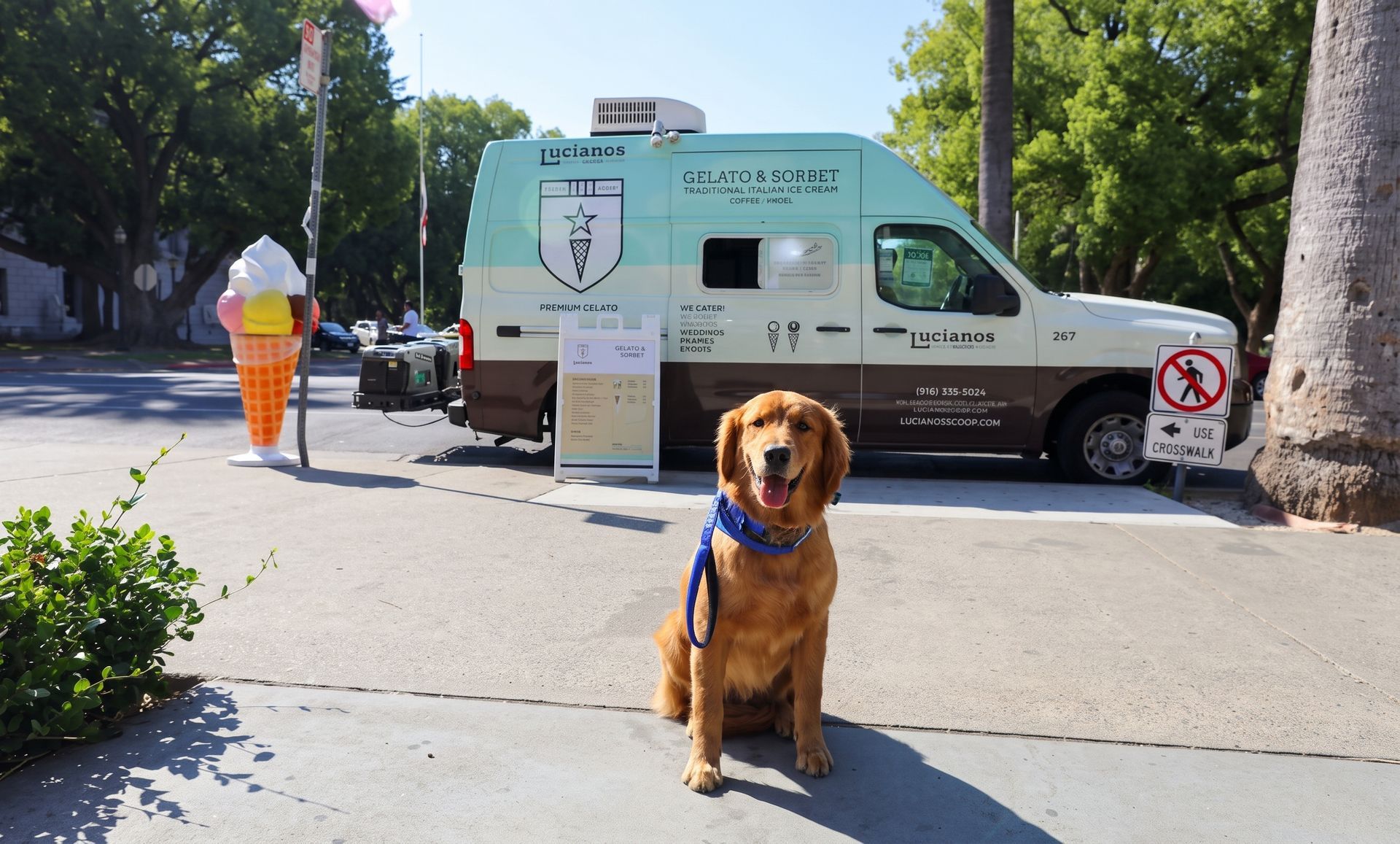
Golden Retrievers and Labradors are popular choices. Their intelligence, calm demeanor, and trainability make them ideal service dogs. These breeds excel in providing both physical and emotional support.
Temperament is as important as breed. A service dog must remain calm under stress and be responsive to commands. Observing the dog’s behavior during training provides insight into their suitability.
Consider the following when choosing a service dog breed:
- Trainability
- Size and strength
- Temperament
- Specific needs related to dysautonomia
Each person’s requirements differ. Carefully assess both breed characteristics and individual temperament to ensure compatibility and effectiveness.
Why Golden Retriever Service Dogs Are a Top Choice
Golden Retrievers are a favored breed for service dogs due to their friendly nature and intelligence. These qualities allow them to excel in various support roles.
Their adaptability is another key benefit. Golden Retrievers manage well in different environments, making them suitable for individuals with diverse lifestyles. Consistency in behavior ensures reliable assistance.
These dogs also stand out for their social skills. A Golden Retriever’s affectionate demeanor fosters strong bonds with their handlers, enhancing the support system.
Some reasons Golden Retrievers are preferred include:
- High trainability
- Gentle and caring nature
- Great emotional support
Choosing this breed often proves beneficial for those seeking dependable companionship and assistance.
The Role of Medical Doctors in the Service Dog Process
Medical doctors play a crucial role when considering a service dog for Dysautonomia. Their expertise helps assess your specific needs.
Doctors provide the necessary documentation. This formal evaluation confirms the medical necessity of a service dog, ensuring proper support.
Their recommendations can guide your choice of service dog options. This insight is invaluable for tailoring assistance to your condition.
Medical doctors contribute by:
- Evaluating your condition
- Providing necessary documentation
- Advising on suitable service dog options
Their involvement ensures a well-informed decision in obtaining a medical service dog.
Service Dog School of America: Setting the Standard
The Service Dog School of America (SDSA) is renowned for its commitment to excellence. We pride ourselves on providing top-tier service dogs.
Our approach is tailored. Each dog is individually trained to meet specific needs, ensuring maximum benefit for every client.
David Baron’s leadership is pivotal. His nearly 30-year experience in dog training guarantees a deep understanding and skill.
Key aspects of SDSA’s approach include:
- Personalized training programs
- Comprehensive needs assessment
- High standards of care and support
Our goal is to transform lives. We strive to provide not just service dogs, but lifelong partners.
David Baron’s Approach: What Sets Us Apart
David Baron brings a unique perspective to service dog training. His passion for dogs and dedication to helping people set him apart.
Under his guidance, our methods emphasize empathy and understanding. We focus on forming bonds that enhance the dog’s ability to assist.
Our approach includes:
- Tailored training for specific disabilities
- Emphasis on mental and emotional support
- Ongoing client and dog support
David’s extensive experience ensures that each service dog we train is both a dependable companion and a skilled helper.
Frequently Asked Questions About Service Dogs for Dysautonomia
Can a service dog help with Dysautonomia?
Absolutely. Service dogs assist with managing symptoms like dizziness and blood pressure changes. They provide critical alerts and support.
How do I qualify for a service dog?
A medical diagnosis of Dysautonomia is necessary. You need a letter from a medical doctor recommending a service dog.
What tasks can these dogs perform?
They assist with mobility, alert to changes in condition, and provide grounding during anxiety episodes.
Are there breed restrictions for service dogs?
While no breeds are banned, breeds like Golden Retrievers excel due to their temperament and trainability.
How long does training take?
Training durations vary. On average, it takes months to train a reliable service dog.
Is a service dog different from an emotional support animal?
Yes, service dogs undergo extensive training to perform specific tasks, unlike emotional support animals that provide comfort through companionship.
Next Steps: How to Begin Your Journey
Embarking on the path to acquiring a medical service dog for Dysautonomia is a significant decision. Your journey begins with understanding your needs and choosing the right service dog training program. Research extensively to find trusted trainers who specialize in medical alert dogs.
As you start this process, consider the following:
- Obtain a diagnosis and recommendation from a medical doctor.
- Research service dog schools for expertise and reputation.
- Evaluate service dogs for sale to find a suitable match.
Choosing the right partner and dog will ensure a smoother transition. Trustworthy trainers, like the Service Dog School of America, are essential. A well-trained service dog will make a profound difference in your life. With careful planning, you’ll gain support and independence while managing your Dysautonomia with confidence.