Where Can I Get A Service Dog For Ehlers-Danlos Syndrome (EDS)?
Where Can I Get A Service Dog For Ehlers-Danlos Syndrome (EDS)?
Ehlers-Danlos Syndrome (EDS) presents unique challenges. It affects connective tissues, leading to joint issues and skin problems. Living with EDS can be tough, both physically and mentally.
A service dog can be a game-changer for those with EDS. These dogs offer physical support and emotional comfort. They help manage daily tasks and provide companionship.
Finding the right service dog is crucial. Trustworthy trainers ensure the dog meets your specific needs. David Baron and the Service Dog School of America are leaders in this field.
Service dogs can help alleviate anxiety and depression. They offer hope and a sense of security. With a service dog, individuals with EDS can regain independence.
Golden Retrievers are often chosen for their intelligence and temperament. They are excellent service dogs. The process of obtaining a service dog involves careful planning and assessment.
Service dogs can transform lives. They provide stability and support. For those with EDS, a service dog can be a vital part of therapy.
Explore your options. Find the right service dog for your needs. Begin your journey toward a better quality of life.
Understanding Ehlers-Danlos Syndrome and Its Challenges
Ehlers-Danlos Syndrome (EDS) is a complex group of genetic disorders. These disorders primarily impact connective tissues. Common symptoms include joint hypermobility, skin elasticity, and tissue fragility.
The complexity of EDS means it affects people in varied ways. Some individuals might experience frequent dislocations. Others face chronic pain that impacts daily life.
Living with EDS requires constant vigilance. Everyday activities can lead to injury. This constant risk generates not only physical pain but also mental strain.
Mental health challenges are prevalent among those with EDS. Anxiety and depression often accompany the physical symptoms. The fear of injury can be paralyzing.
A supportive environment is crucial for managing EDS effectively. Family, friends, and caregivers play vital roles. Professional medical support is equally important.
The unpredictability of EDS symptoms adds to its challenges. This can lead to social isolation and decreased activity levels. Not knowing when symptoms will worsen can be distressing.
List of common challenges faced by individuals with EDS:
- Chronic pain and fatigue
- Frequent joint dislocations
- Anxiety and depression
Proper diagnosis and management are key. Medical professionals often recommend a multidisciplinary approach. Lifestyle adjustments are also necessary.
Finding ways to manage EDS can significantly improve quality of life. A service dog is one option that can support daily living. These dogs assist in providing both physical aid and emotional comfort.
How a Service Dog Can Help with EDS: Physical and Mental Relief
Service dogs play a vital role in the lives of those with Ehlers-Danlos Syndrome. Their assistance goes beyond simple companionship. They offer both physical support and mental relief.
These dogs are trained to help mitigate the physical challenges of EDS. Tasks like retrieving items reduce strain on fragile joints. For individuals with EDS, this support can prevent injuries.
Service dogs are also trained to provide mobility assistance. They can help steady individuals when standing or walking. This reduces the risk of falls and related injuries.
Beyond physical support, service dogs offer immense mental relief. Their presence can alleviate anxiety and depression. For those with EDS, this emotional support can be life-changing.
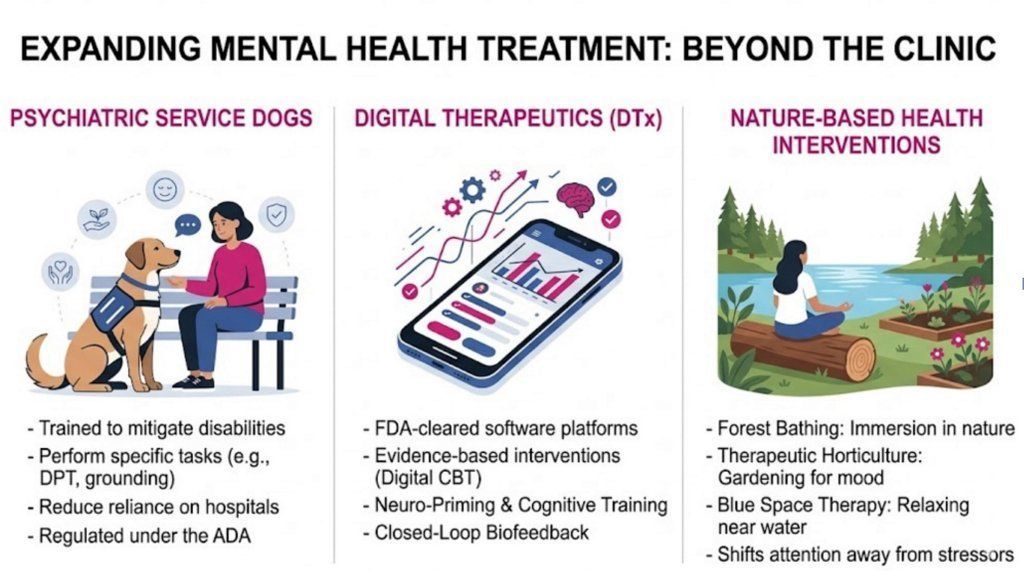
One effective method used by service dogs is deep pressure therapy. This involves the dog applying gentle pressure to calm their handler. It helps reduce feelings of anxiety and stress.
List of ways service dogs aid individuals with EDS:
- Mobility assistance
- Retrieving and carrying items
- Providing deep pressure therapy
The benefits extend further. Service dogs can alert their handlers to potential medical issues. This includes recognizing signs of an imminent fainting episode.
Having a service dog increases the handler’s independence. This independence fosters confidence and leads to a more active lifestyle. Engaging more with the world can reduce feelings of isolation.
In essence, service dogs provide a sense of stability and security. Their ability to preemptively assist with medical conditions is invaluable. This proactive support brings peace of mind.
Ultimately, service dogs transform the daily lives of those with EDS. Their impact is both profound and enduring. They offer a pathway to a healthier, more fulfilling life.
Essential Tasks Performed by EDS Service Dogs
Service dogs can perform a variety of essential tasks for individuals with Ehlers-Danlos Syndrome. These tasks help manage the symptoms and challenges associated with EDS. Their role is crucial in daily living.
One key task is mobility support. Many individuals with EDS struggle with joint stability. Service dogs provide steadiness, acting as a brace when standing or walking. This support helps maintain balance and prevents falls.
Retrieval of items is another vital function. Bending or reaching can be painful for those with EDS. Service dogs are trained to fetch items like keys, phones, or medication. This reduces unnecessary strain and conserves energy.
Service dogs also perform deep pressure therapy to alleviate mental stress. This involves applying weight to their handler, which has a calming effect. It can help manage anxiety attacks or bouts of depression.
Tasks commonly performed by EDS service dogs include:
- Mobility support
- Fetching and retrieving objects
- Deep pressure therapy
Service dogs can alert to medical conditions as well. They are trained to recognize early signs of distress. For example, they might alert their handler before a fainting spell, allowing them to sit down safely.
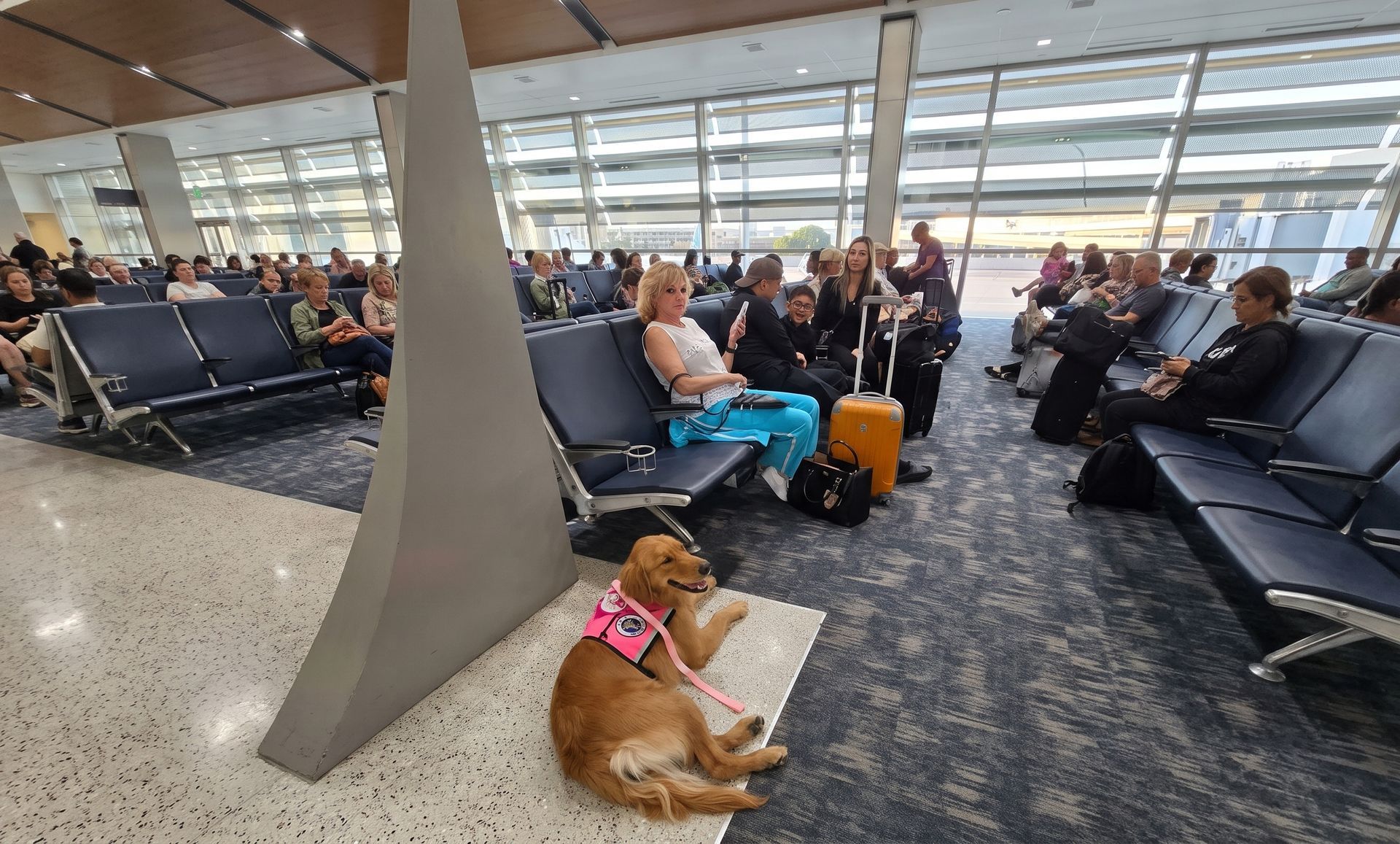
Providing a barrier between their handler and crowded environments is another task. This helps individuals with EDS feel safer in public spaces. Crowds can be overwhelming for those with sensory overload issues.
Additional tasks:
- Alerting to medical conditions
- Creating space in crowded areas
By assisting with these tasks, service dogs enhance autonomy. They enable individuals with EDS to complete daily activities with greater ease. This empowerment is both practical and emotional.
The tailored support of service dogs meets the unique needs of each individual. Their training is personalized, ensuring maximum benefit. Through their invaluable contributions, service dogs improve quality of life for those with EDS.
The Emotional Impact: Hope, Security, and Companionship
The presence of a service dog brings profound emotional benefits. For individuals with Ehlers-Danlos Syndrome, these dogs provide a renewed sense of hope. They symbolize a brighter future with improved independence.
Service dogs offer a strong sense of security. Their steadfast companionship alleviates the fear of being alone during times of distress. Knowing help is always nearby offers immense peace of mind.
This partnership can significantly reduce feelings of isolation. Many people with EDS face social withdrawal due to their condition. A service dog encourages social interaction, acting as a bridge between the individual and the outside world.
Emotional benefits of a service dog:
- Renewed hope for the future
- Increased security and safety
- Enhanced social interaction and connection
The bond formed between handler and dog is unmatched. It is built on unwavering trust, mutual respect, and love. This relationship helps manage mental pain by offering daily emotional support.
Companionship is another crucial aspect. Dogs provide unconditional love, enhancing emotional well-being. Their presence can help combat feelings of depression and anxiety, which are common among those living with chronic conditions like EDS.
The emotional relief a service dog offers is life-changing. It improves mental health and overall happiness. Individuals often find themselves smiling more and feeling less burdened by life’s challenges.
In summary, the emotional impact of having a service dog is substantial. They provide essential mental relief, acting as both helper and friend. The hope they bring to individuals with EDS is truly transformative.
Why Golden Retrievers Are the Top Choice for EDS Service Dogs
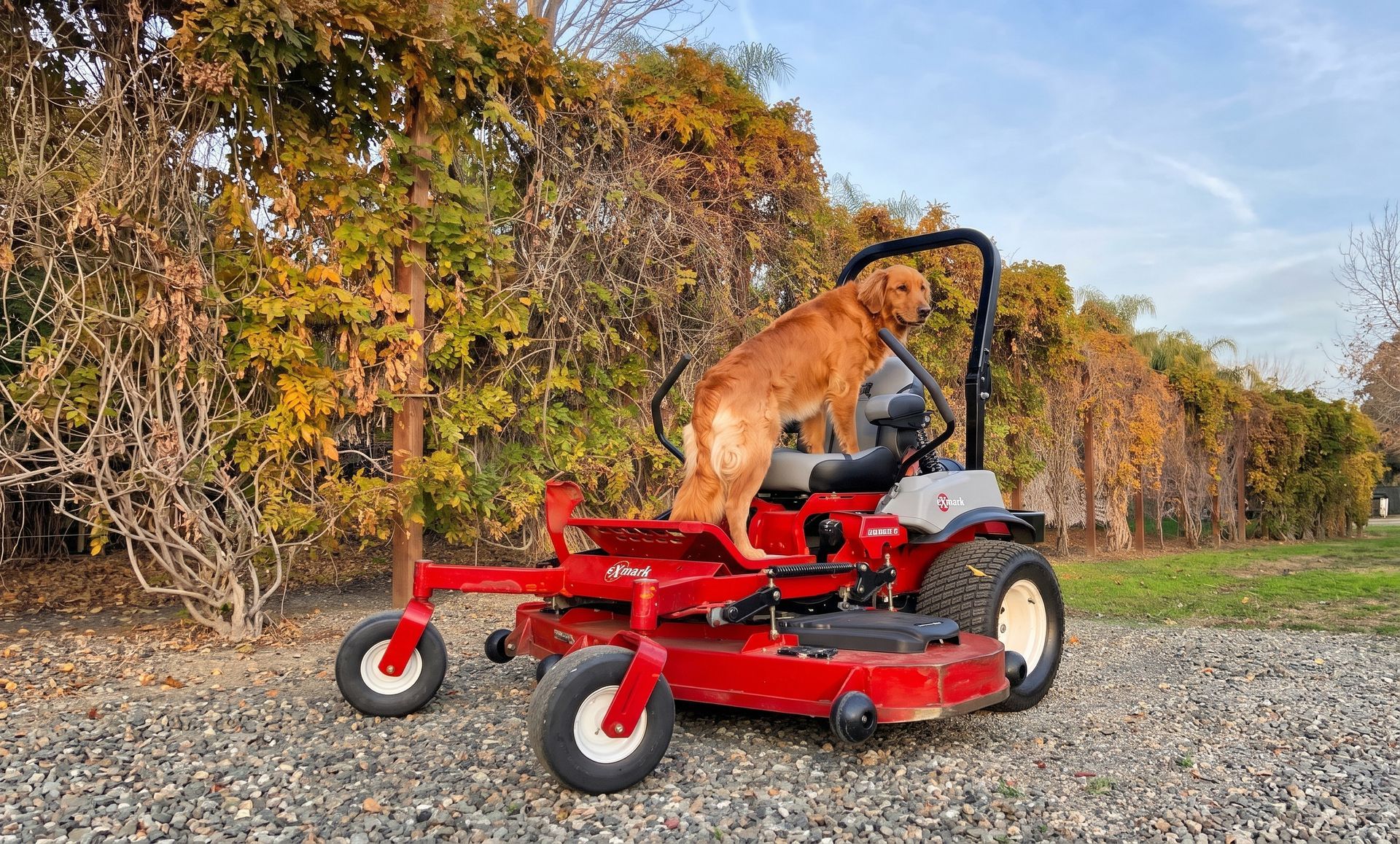
Golden Retrievers are often chosen as service dogs for many good reasons. Their friendly demeanor and gentle nature make them ideal companions. They excel in providing emotional support to those with Ehlers-Danlos Syndrome.
Their intelligence is a standout feature. Golden Retrievers are quick learners, which is vital for mastering complex tasks. They demonstrate a keen willingness to please, making training smoother.
Their physical attributes also play a significant role. Golden Retrievers are strong enough to offer physical support. They aid in balance and mobility, which is crucial for individuals with EDS.
Key traits of Golden Retrievers:
- Gentle and friendly disposition
- High intelligence and trainability
- Strong and capable for physical assistance
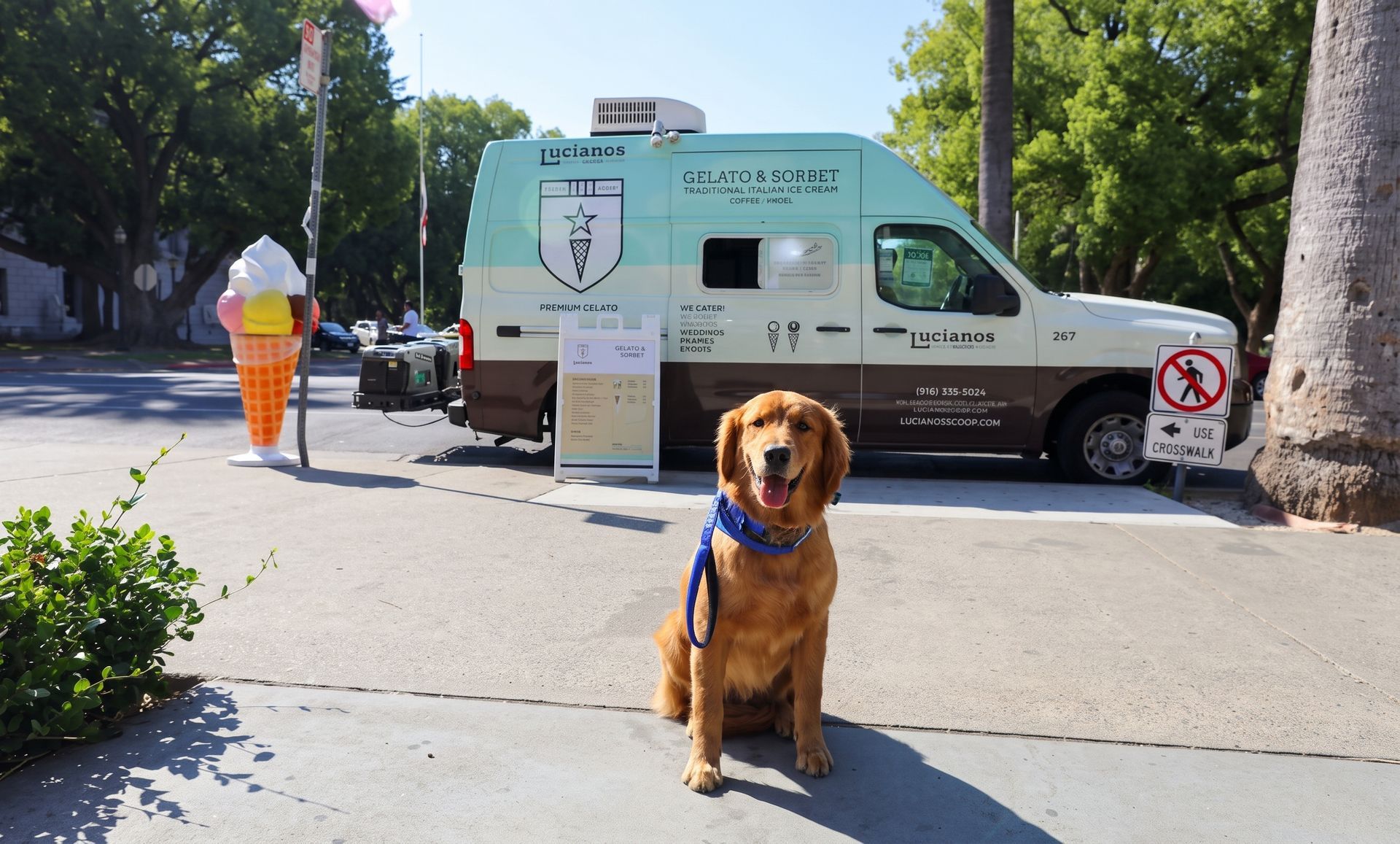
This breed’s sociable nature encourages social interaction. They easily adapt to various environments, enhancing their handler’s confidence in public settings. The presence of a Golden Retriever opens up social opportunities.
In conclusion, Golden Retrievers are exceptional service dogs. Their temperament, intelligence, and strength align perfectly with the needs of those with EDS. This makes them a preferred choice for many seeking assistance.
The Process: How to Get a Service Dog for Ehlers-Danlos Syndrome
Obtaining a service dog for Ehlers-Danlos Syndrome involves several clear steps. Each step is crucial to ensure the right match between dog and handler. Here’s how you can navigate the process.
First, assess your specific needs. Understanding what you require from a service dog will guide the rest of the journey. Consider both physical support and emotional comfort.
Next, reach out to professionals who specialize in service dog training. Experts like those at the Service Dog School of America can provide valuable insights. They will assess your requirements and recommend suitable options.
Initial Steps:
- Evaluate personal needs for support
- Consult with a medical professional for advice
- Contact specialized service dog trainers
Afterward, the selection process begins. This involves choosing a dog suited to meet your specific needs. Factors to consider include breed, temperament, and physical capabilities.
Training follows the selection. This phase is comprehensive and lasts several months. It ensures the dog is well-prepared to assist with EDS-specific challenges.
During training, the dog’s skills are customized. This includes mobility assistance and anxiety management. The goal is to create a seamless partnership between dog and handler.
Training Focus:
- Mobility assistance and balance support
- Retrieval of items and physical tasks
- Providing emotional support and stability
Once training is complete, there is a matching phase. This includes introducing the dog to the handler and fostering their bond. It’s critical for both parties to work well together.
Finally, ongoing support is available. This ensures the dog and handler maintain their bond and skills. Programs like those from the Service Dog School of America offer continued assistance.
Obtaining a service dog is a life-changing decision. Through careful planning and support, individuals with EDS can gain a wonderful companion and aid.
Choosing the Right Trainer: Why Trust Matters
Selecting the right service dog trainer is crucial for success. The trainer’s expertise directly impacts the dog’s effectiveness. Trust and experience should guide this decision.
Not all trainers have the necessary skills. Those specializing in Ehlers-Danlos Syndrome understand the unique demands involved. Seek out trainers with proven track records and specific experience.
David Baron and his team stand out in this field. With decades of experience, they offer tailored training for EDS service dogs. Their commitment to excellence is unmatched.
Key Aspects in Choosing a Trainer:
- Experience with medical and psychiatric service dogs
- Understanding of Ehlers-Danlos Syndrome’s challenges
- Proven success stories and client satisfaction
Clear communication is another key factor. A good trainer will keep you informed and involved. They should also be open to feedback and questions throughout the process.
Lastly, transparency in the training process is crucial. This includes having realistic timelines and outcomes. Reputable trainers like those at the Service Dog School of America prioritize these elements.
When you choose a trusted trainer, you’re investing in more than just a service dog. You’re securing a reliable support system for a brighter future with EDS.
Spotlight on David Baron and Service Dog School of America
David Baron has become a beacon of hope for those needing service dogs for Ehlers-Danlos Syndrome. With nearly 30 years in the field, his expertise is comprehensive and respected.
He founded the Service Dog School of America, focusing on clients’ individual needs. By customizing training, he ensures each service dog performs optimally for their handler.
David’s dedication to improving lives through service dogs is reflected in his training methods. He tailors these methods to address both physical and emotional challenges associated with EDS.
Unique Features of Service Dog School of America:
- Individually tailored training programs
- Emphasis on handler-dog bond development
- Ongoing support and resources for handlers
The school is known for its high standards and personalized approach. David’s team works closely with clients to craft a service dog partnership that transforms lives.
David Baron’s philosophy is centered on creating a supportive, empowering environment. His team places the well-being of both the handler and the dog at the forefront.
Clients have praised the life-changing impact their service dogs have made. Many attribute their improved quality of life to David’s tailored approach and effective training.
Through his leadership, the Service Dog School of America remains a trusted resource. They continue to set industry standards for excellence in service dog training, particularly for those with medical and psychiatric needs.
What Sets Service Dog School of America Apart
The Service Dog School of America distinguishes itself with its unwavering commitment to quality. Unlike others, they focus on crafting a unique training experience tailored to the individual’s specific conditions, including EDS.
Their approach prioritizes the bond between the dog and the handler. They view this relationship as vital to successful assistance and improved quality of life.
Key Differentiators:
- Tailored training plans for unique medical needs
- Focus on the human-animal bond
- Emphasis on long-term support
What truly sets them apart is their dedication to the handler’s long-term success. They offer continuous guidance, ensuring both the dog and their handler can adapt to new challenges.
Their reputation for excellence in service dog training precedes them. Many clients report transformative changes in their daily lives following engagement with the Service Dog School of America.
Moreover, David Baron and his team bring a deep understanding of EDS-related difficulties. This specialized knowledge allows them to design training programs that directly impact EDS-related challenges.
With their focus on the future, the Service Dog School of America remains a leader. They empower people to live fuller, more independent lives through their expertly trained service dogs.
Frequently Asked Questions About EDS Service Dogs
Many people have questions about service dogs for Ehlers-Danlos Syndrome. Here, we address some common inquiries to clarify the role and benefits of these exceptional animals.
What tasks can an EDS service dog perform?
Service dogs for EDS are trained in tasks such as:
- Mobility Assistance: Helping with balance and walking.
- Retrieving Items: Picking up dropped objects.
Can service dogs help with emotional challenges?
Absolutely. Service dogs can provide:
- Emotional Support: Offering comfort in stressful times.
- Anxiety Relief: Helping reduce panic and fear.
How long does it take to train an EDS service dog?
Training usually takes several months, tailored to specific needs. The timeline can vary based on the dog’s initial skills and the handler’s requirements.
Are Golden Retrievers the only breed for EDS service dogs?
While popular, other breeds like Labradors and Poodles also excel in service work. The choice depends on personal preference and specific needs.
What are the costs involved?
Costs can vary widely. Factors include training complexity and the service dog’s breed. It’s crucial to consult with providers like the Service Dog School of America for accurate estimates.
How do I start the process of getting a service dog?
Begin with researching reputable providers. Consulting with experienced trainers like David Baron can guide you through the necessary steps.
Can a service dog completely alleviate all EDS symptoms?
Service dogs significantly aid in daily living and emotional well-being. However, they complement other therapies rather than replacing medical treatments.
Real Stories: Life-Changing Experiences with EDS Service Dogs
The impact of service dogs on individuals with Ehlers-Danlos Syndrome is profound. Real-life stories illustrate how these remarkable animals transform lives.
Meet Sarah, who struggled with severe mobility issues. Her service dog, Buddy, enabled her to regain independence. Buddy assists Sarah with balance and retrieves items, making daily tasks manageable.
Consider James, who faced frequent anxiety attacks. His service dog, Bella, provides critical emotional support. Bella senses when James feels overwhelmed and provides comforting pressure therapy to ease his fears.
Another remarkable story features Emily. She described her service dog, Max, as her lifeline. Max helps Emily feel secure and willing to engage in social activities again.
The consistent theme in these stories is transformation. Service dogs enrich the lives of their handlers, fostering a sense of hope and happiness.
These narratives underscore the invaluable role of service dogs for those with EDS, proving life-changing support and companionship.
Steps to Take: How to Begin Your Journey Toward an EDS Service Dog
Embarking on the journey to acquire a service dog for Ehlers-Danlos Syndrome involves several essential steps. It’s important to approach each phase with care and consideration.
First, assess your specific needs. Identify the tasks you require assistance with, both physically and emotionally. This will help tailor the selection and training of your service dog.
Next, research potential service dog providers. Look for those with a proven track record, like the Service Dog School of America, known for their expertise in training dogs for EDS.
Prepare for the application process. Many organizations require medical documentation and personal references. Ensure all paperwork is complete and accurate.
Consider the financial commitment. Service dogs can be costly, so explore options for funding or assistance, such as grants and payment plans.
After securing funding, schedule an assessment with the training program. This evaluation determines the best fit for your needs.
Finally, be patient. The process may take time, but the benefits of a well-matched service dog are immeasurable.
Resources and Support for EDS and Service Dog Handlers
Navigating life with Ehlers-Danlos Syndrome and a service dog requires access to valuable resources and support systems. These aids ensure both handler and dog thrive.
Connecting with support groups can be invaluable. Such communities offer shared experiences, advice, and emotional encouragement. They can make the journey less daunting.
Additionally, educational resources are crucial. Learning about EDS, service dog laws, and training techniques empowers handlers and enhances the partnership with their dogs.
Online forums and websites, like www.superdog.com, provide a wealth of information. They cover topics ranging from training tips to health management for service dogs.
Organizations specializing in EDS offer specific resources. They often include access to counselors, therapists, and healthcare professionals familiar with the syndrome.
Here’s a list of helpful resources:
- Ehlers-Danlos Society
- Service Dog Central
- Canine Companions for Independence
- National Alliance on Mental Illness
Invest in these resources to ensure a successful and supportive relationship with your service dog, enhancing your quality of life.
Conclusion: Finding Hope and Relief with the Right EDS Service Dog
A well-trained service dog can transform the life of someone with Ehlers-Danlos Syndrome. These dogs provide physical support, emotional relief, and newfound independence.
Choosing the right service dog partner is essential. Trustworthy trainers, like the Service Dog School of America, ensure dogs are tailored to meet individual needs.
The journey to acquiring a service dog brings hope and stability. With the right support, individuals with EDS can lead fulfilling and enriched lives.